Stress Management Strategies: Techniques for a More Balanced Life

Exploring Effective Stress Management Strategies
In today’s fast-paced environment, where the pressure of juggling personal responsibilities with professional demands can feel overwhelming, developing strong stress management strategies is essential. Stress, if left unchecked, can lead to serious health complications, including anxiety and depression. It’s vital to cultivate an arsenal of techniques that can aid in navigating life’s pressures effectively.
Mindfulness Meditation
Mindfulness meditation has garnered significant attention as a straightforward yet profound approach to stress reduction. By focusing on the present moment and observing thoughts without judgment, individuals cultivate a deeper awareness of their surroundings and emotions. Research indicates that even a few minutes of daily practice can reduce anxiety and improve concentration. Apps such as Headspace and Calm make it accessible for beginners through guided sessions, helping users integrate this practice into their daily routines.
Regular Exercise
Engaging in regular exercise is another impactful strategy. Physical activity triggers the release of endorphins, often referred to as “feel-good” hormones. Whether it’s a brisk walk in the park, a vigorous workout at the gym, or a calming yoga session, the benefits extend beyond just physical health. Studies show that individuals who engage in consistent exercise report lower stress levels and a boost in mood. For many, incorporating exercise into their schedule can also foster a sense of achievement, further elevating their spirits.
Time Management
Another critical strategy is effective time management. Procrastination tends to exacerbate stress, making it crucial to prioritize tasks. Techniques such as the Eisenhower Box or the Pomodoro Technique can help individuals categorize tasks by urgency and importance, allowing for a more organized approach to their daily responsibilities. Tools such as planners and digital calendars can further aid in crafting a realistic schedule, minimizing the feeling of being overwhelmed.
Deep Breathing Techniques
Practicing deep breathing techniques can serve as an immediate remedy in stressful moments. Exercises like the 4-7-8 technique or box breathing can help calm the nervous system. These methods encourage the body to respond to stress in a more balanced way and are especially useful in high-pressure situations, such as a job interview or a public speaking event. Implementing these techniques can provide a quick reset, allowing for clearer thinking and more composed reactions.

Social Support
Finally, the importance of social support cannot be understated. Building a network of friends, family, or support groups provides individuals with an outlet to share their experiences and concerns. Engaging in conversations can offer new perspectives, emotional comfort, and encouragement. Many communities in the United States host support groups focusing on various topics, from stress management to chronic illness, which can also foster a sense of belonging.
Each of these strategies presents unique benefits and can be tailored to fit individual lifestyles. The exploration of stress management is a personal journey, one that emphasizes cultivating long-term habits for well-being rather than seeking quick fixes. By actively participating in these practices, individuals can pave their way toward a more balanced life and improved overall health.
DISCOVER MORE: Click here to learn effective mindfulness techniques
Empowering Yourself Through Stress Management Techniques
Stress can often feel like an unavoidable part of life, particularly in a country as bustling as the United States, where deadlines loom and responsibilities stack up. However, the power to manage stress is within each of us, and adopting effective stress management strategies can transform our daily experiences. Below, we explore several techniques designed to assist in creating a harmonious balance amid life’s demands.
Sleep Hygiene
One of the most overlooked yet critical aspects of stress management is maintaining good sleep hygiene. Adults typically require between 7 to 9 hours of quality sleep each night for optimal functioning. Poor sleep can heighten stress levels, leading to a vicious cycle that impacts mental and physical health. To promote better sleep habits, consider implementing these practices:
- Consistency: Go to bed and wake up at the same time daily, even on weekends.
- Sleep Environment: Create a calming, dark, and cool environment in your bedroom.
- Lifestyle Choices: Limit caffeine and screen time before bedtime to reduce disturbances.
By prioritizing sleep, you set the foundation for better emotional regulation and resilience toward stressors.
Cognitive Behavioral Therapy (CBT)
Cognitive Behavioral Therapy (CBT) offers a structured approach to understanding and reshaping negative thought patterns that contribute to stress. This evidence-based therapy focuses on identifying irrational beliefs and cognitive distortions, hence empowering individuals to replace them with healthier thoughts and behaviors. Engaging with a trained therapist can facilitate personalized strategies, enabling individuals to enhance coping mechanisms and reduce stress-related symptoms. Moreover, numerous resources are available online, including apps like Moodfit and Woebot, which provide accessible tools for those looking to explore CBT techniques at their own pace.
Healthy Nutrition
A well-balanced diet plays a pivotal role in managing stress levels. Consuming a variety of nutrients can enhance mood and bolster the body’s resilience against stress. Some key components to consider include:
- Omega-3 Fatty Acids: Found in fish, walnuts, and flaxseeds, these can decrease symptoms of anxiety.
- Antioxidant-Rich Foods: Colorful fruits and vegetables such as berries and spinach help fight oxidative stress in the body.
- Whole Grains: Foods like brown rice and oats can stabilize blood sugar levels, influencing mood positively.
By consciously choosing nourishing foods, individuals can greatly influence their energy levels and emotional well-being, creating a robust buffer against stress.
Creative Outlets
Exploring creative outlets can also be an effective way to decompress and express emotions in a constructive manner. Activities such as painting, writing, or playing a musical instrument not only provide an escape but also serve as a conduit for emotional expression. Engaging in creative endeavors has been shown to lower cortisol levels—the hormone primarily associated with stress—leading to improved mental health. Whether it’s joining a local art class or simply doodling at home, finding an outlet that resonates can make a significant difference in stress management.
Each of these strategies serves to equip individuals with practical tools to tackle stress effectively. Embracing these techniques can lead to not only a more balanced life but also a shift towards a healthier perspective when faced with life’s inevitable challenges.
| Stress Reduction Techniques | Benefits |
|---|---|
| Mindfulness Meditation | Promotes mental clarity and emotional resilience |
| Physical Exercise | Enhances mood through endorphin release |
| Deep Breathing Techniques | Reduces anxiety and promotes relaxation |
| Time Management Skills | Lessens overwhelm by prioritizing tasks |
Compiling a toolkit of effective stress management strategies can set the stage for a healthier, more balanced life. Techniques such as mindfulness meditation empower individuals by fostering self-awareness and emotional regulation. Meanwhile, physical exercise stands as a cornerstone for mental well-being, often lifting spirits through the natural release of endorphins, effectively combating feelings of stress.Incorporating deep breathing techniques into one’s routine provides instant relief from anxiety, making it a simple yet powerful strategy for immediate calmness. Additionally, mastering time management skills equips individuals to handle responsibilities with greater ease, reducing feelings of overwhelm and enhancing productivity.These strategies not only enhance well-being but also encourage a proactive approach towards stress management, ultimately leading to a more fulfilling life. Explore these techniques further to discover how they can transform your daily experiences.
DISCOVER MORE: Click here for effective relaxation strategies before sleep
Building Resilience and Community Connections
In addition to the individual techniques previously discussed, cultivating resilience and fostering community connections are vital components of effective stress management strategies. Focusing on these areas can significantly enhance one’s ability to bounce back from challenges and maintain overall well-being.
Mindfulness and Meditation
Mindfulness practices and meditation have gained popularity for their profound effects on stress reduction. These techniques involve being present in the moment and cultivating awareness of one’s thoughts, emotions, and bodily sensations without judgment. Research shows that regular mindfulness practice can lead to a substantial decrease in perceived stress and anxiety levels. Various methods can be employed:
- Guided Meditation: Utilizing apps like Headspace or Calm can help beginners learn the basics of meditation with guided sessions tailored to different needs.
- Breathwork: Simple practices like deep breathing can instantly activate the body’s relaxation response, alleviating the immediate symptoms of stress.
- Mindful Walking: Engaging in a nature walk while focusing on the sights, sounds, and sensations can be revitalizing, offering both physical exercise and mental clarity.
Integrating mindfulness into daily routines empowers individuals to gain perspective, fostering emotional balance even in the face of adversity.
Physical Activity
Physical activity is a cornerstone of stress management that often gets overlooked. Exercise releases endorphins, often referred to as the body’s natural mood lifters. Incorporating regular physical activity, whether through structured workouts or casual activities, plays an instrumental role in reducing stress levels. Options to consider include:
- Aerobic Exercise: Activities like running, cycling, or swimming, which enhance cardiovascular health and boost mood.
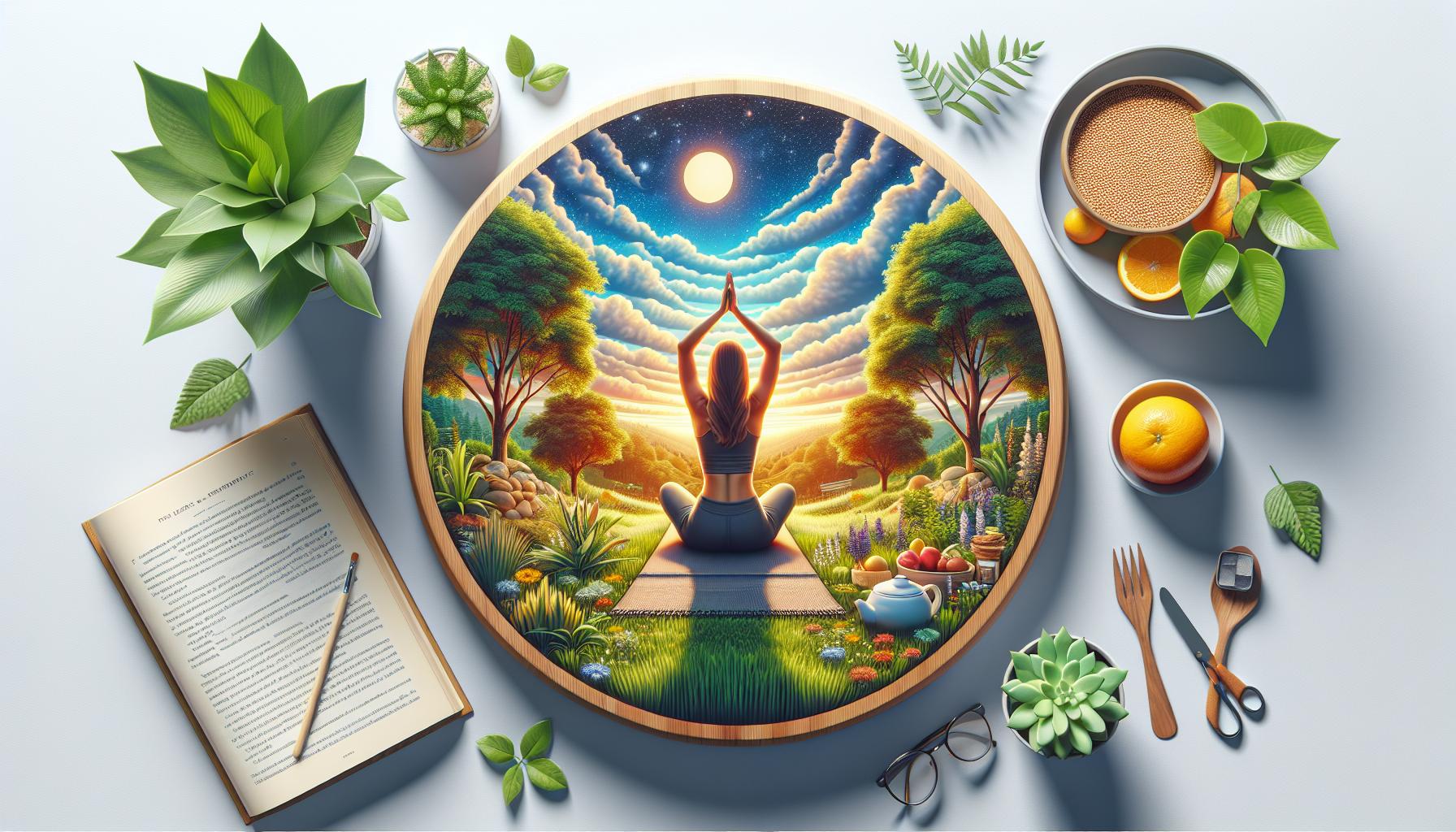
- Yoga: Combining physical postures with breathing techniques and meditation, yoga has been found to improve mental health and reduce stress.
- Group Sports: Engaging in team sports creates social connections while keeping fitness levels high, promoting both physical and emotional well-being.
Regular engagement in physical activity not only improves health and boosts mood, but it also serves as a potent buffer against stress.
Social Support Systems
A strong social support system acts as a vital buffer against stress. Building and maintaining connections with friends, family, or community groups can provide reassurance and insights that diminish feelings of isolation during challenging times. Effective strategies for cultivating these connections include:
- Networking: Participating in local clubs or organizations can help forge new friendships while providing a platform for shared interests.
- Open Communication: Sharing feelings and experiences with trusted individuals creates an environment of support and understanding.
- Volunteer Work: Engaging in community service can enhance personal fulfillment while fostering stronger connections with others facing similar life challenges.
By leaning on social networks during stressful periods, individuals can better navigate challenges and promote collective resilience.
Incorporating these advanced techniques of mindfulness, physical activity, and social support can significantly bolster one’s ability to manage stress effectively. These strategies not only empower individuals to thrive personally but also create a positive ripple effect within their communities.
DON’T MISS: Click here to discover delicious plant-based recipes!
Conclusion
As we navigate the complexities of modern life, the importance of effective stress management strategies cannot be overstated. The techniques discussed, including mindfulness practices, physical activity, and social support systems, provide powerful tools for cultivating a more balanced existence. By integrating these practices into our daily routines, we not only empower ourselves to manage stress effectively but also enhance our overall quality of life.
Mindfulness and meditation help us reconnect with the present moment, allowing for a greater understanding of our emotional landscape. Regular physical activity not only elevates our mood through the release of endorphins but also promotes physical health, enabling us to cope with stressors more resiliently. Additionally, building robust social support systems instills a sense of belonging and connection, which is critical during challenging times.
Ultimately, adopting a holistic approach to stress management encourages us to prioritize self-care and well-being. It invites us to explore new avenues for personal growth while nurturing our connections with others. As we embrace these techniques and share our experiences, we contribute to a collective resilience that can positively impact our communities. So take the first step today—experiment with different techniques and discover what resonates with you. The journey to a more balanced life starts with small, intentional changes that lead to lasting transformation.
Related posts:
How the practice of gratitude can transform your emotional well-being
How the Practice of Gratitude Can Transform Your Mental Health
Self-Care Strategies to Reduce Stress and Increase Well-Being
The Power of Sleep: How a Good Night's Rest Contributes to Mental Well-Being
The connection between physical exercise and anxiety reduction
How Setting Healthy Boundaries Can Promote Emotional Well-Being

Beatriz Johnson is a seasoned wellness coach and writer with a passion for simplifying the principles of holistic health and balanced living. With over a decade of experience in the wellness industry, she specializes in topics like mindful nutrition, sustainable fitness routines, and mental well-being strategies. Through her work on our website, Beatriz empowers readers to make informed lifestyle choices and cultivate habits that promote lasting harmony in their daily lives.