
How Healthy Eating Affects Mental Health
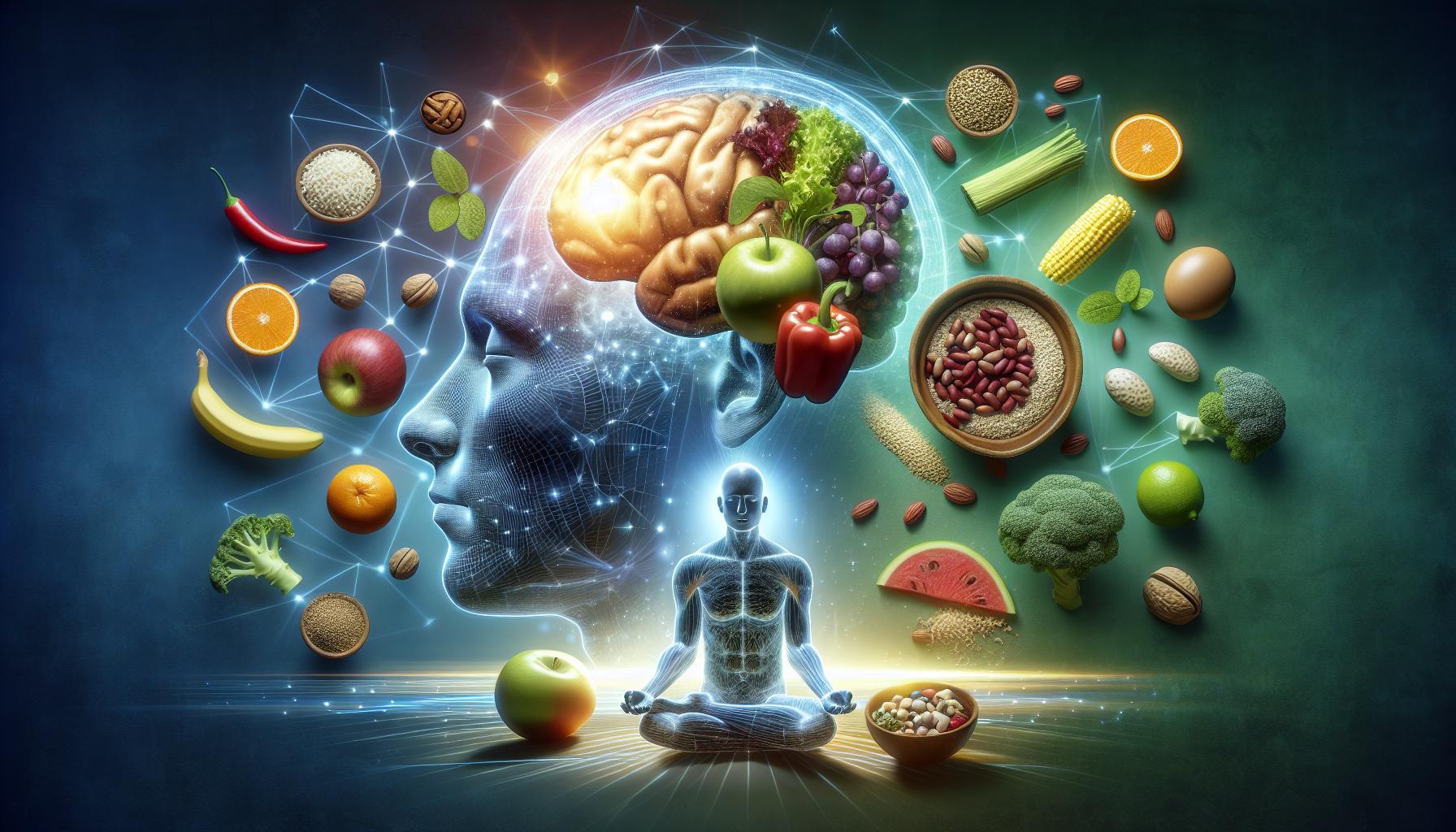
The Profound Impact of Nutrition on Mental Health
In recent years, mental health has garnered extensive attention, paving the way for a deeper exploration of the factors that contribute to our overall psychological state. One such factor, which is often overlooked, is nutrition. The intersection of food and mood is not merely anecdotal; a growing body of research indicates that what we eat can tremendously impact our mental health.
Consider the relationship between food and serotonin, a neurotransmitter often referred to as the “feel-good” hormone. Approximately 90% of our serotonin is produced in the gut, making a nutrient-rich diet key to maintaining balanced levels. Diets abundant in fruits, vegetables, and whole grains can promote higher serotonin production, leading to enhanced mood and emotional well-being. For instance, a study conducted by the Harvard School of Public Health found that individuals who consume a Mediterranean diet, rich in plant-based foods, fish, and healthy fats, report lower levels of depression compared to those with a standard Western diet.
Another interesting aspect is the role of Omega-3 fatty acids. These essential fats, primarily found in fatty fish like salmon, have been shown to reduce symptoms of anxiety and depression. The American Psychiatric Association even suggests that incorporating Omega-3s can be an adjunct treatment for depression. Well-known sources of Omega-3s include flaxseeds and walnuts, making them accessible additions to many meals.
Then, there is the topic of antioxidants, compounds that protect the body from oxidative stress. Foods like berries, nuts, and leafy greens are high in antioxidants and can lead to improvements in cognitive abilities as we age. Research indicates that diets abundant in these foods may not only shield the brain from aging but could also enhance our memory and focus, providing concrete benefits for students and working professionals alike.
The gut-brain connection also cannot be understated. The gut microbiome plays a critical role in our mood regulation. Probiotics, found in yogurt and fermented foods, have shown promise in reducing anxiety and enhancing overall mental well-being. Numerous studies suggest that a diverse microbiome correlates with lower levels of stress and improved emotional response.
As we unpack the compelling links between nutrition and mental health, it becomes increasingly clear that dietary changes can pave the way for improved emotional outcomes. For those looking to enhance their mental well-being, starting with small dietary adjustments may yield significant benefits. This shifting paradigm invites us to look closely at our food choices and understand their profound implications on our mental landscape.
Are you prepared to explore how the way you nourish your body can influence your mind and emotional health? The answers may be waiting in the grocery aisle.
DIVE DEEPER: Click here to learn how to balance strength and cardio in your routine
The Connection Between Nutrients and Mental Well-Being
As we delve deeper into the intricate relationship between healthy eating and mental health, it is essential to recognize the specific nutrients that can foster psychological resilience. Nutrients like vitamins, minerals, and essential fatty acids contribute immensely to brain function and emotional regulation. Understanding how these elements interact can offer invaluable insights into crafting a diet that supports mental well-being.
First and foremost, let’s focus on the importance of B vitamins. This group of vitamins plays a vital role in energy production and the formation of neurotransmitters that regulate mood. For instance, Vitamin B12 and folate are crucial for the synthesis of neurotransmitters such as serotonin and dopamine. A deficiency in these vitamins has been linked to increased rates of depression. Foods rich in B vitamins include leafy greens, eggs, dairy, and fortified cereals, all of which can be easily incorporated into daily meals.
Another key nutrient to consider is magnesium. Often referred to as the “hidden gem” of mental health, magnesium can help reduce symptoms of anxiety and enhance mood stabilization. Inadequate magnesium levels are also associated with heightened stress and irritability. Some excellent sources include nuts, seeds, whole grains, and dark chocolate—making it easy to enjoy a snack while boosting mental health at the same time.
Utilizing a balanced diet that contains a variety of essential nutrients can provide the foundation for better psychological health. Here are some vital components to consider adding to your grocery list:
- Whole grains: Oats, quinoa, and brown rice provide sustained energy and can help stabilize mood.
- Fruits: Berries and bananas are not only delicious but are also packed with antioxidants that combat oxidative stress.
- Lean proteins: Chicken, turkey, and legumes are fundamental for neurotransmitter synthesis, impacting mood and cognition.
- Fermented foods: Yogurt, sauerkraut, and kimchi are excellent sources of probiotics, promoting a healthy gut microbiome linked to emotional health.
Furthermore, the concept of the Western diet, characterized by high sugar, high fat, and processed foods, has been closely associated with poorer mental health outcomes. A growing body of evidence suggests that diets laden with refined sugars can disrupt insulin and trigger inflammation, which adversely affects mood regulation. Conversely, a whole-foods approach can help mitigate these risks, fostering both physical and mental well-being.
Adopting a nutrient-rich lifestyle is more than just a dietary choice; it’s a comprehensive framework for mental wellness. As we explore the substantial impact of food on our moods, the message becomes clear: nurturing our bodies through healthy eating habits may not only fend off mental health challenges but could also cultivate resilience in the face of life’s stresses.
| Impact on Mood | Essential Nutrients |
|---|---|
| Improved Mood | Nutrients such as Omega-3 fatty acids and antioxidants. |
| Stress Reduction | Vitamins B, C, and E play a role in stress management. |
Transitioning to a healthy diet can profoundly influence your mental well-being. Research indicates that a connection exists between nutrition and mood disorders. For instance, consuming foods high in Omega-3 fatty acids, typically found in fish, nuts, and seeds, has shown potential in alleviating symptoms of anxiety and depression. This is particularly relevant as numerous studies highlight that individuals who incorporate these essential fats often report feeling more balanced and improved overall mood.Additionally, vitamins play a substantial role when it comes to mental health. Vitamin deficiencies—especially B vitamins—can lead to increased levels of depression and anxiety. Foods rich in these vitamins, including leafy greens, whole grains, and legumes, are not only beneficial for physical health but are crucial in managing stress levels as well. Furthermore, antioxidants found in fruits and vegetables combat oxidative stress, which is linked to declining brain function. Emphasizing a balanced diet filled with these nutrients can significantly impact your mental outlook and emotional resilience, providing a holistic approach to mental health management.The exploration of how specific dietary choices can foster mental clarity and emotional stability invites further inquiry. Understanding this link can empower individuals to adapt their dietary habits to not only benefit their physical health but also enhance their mental well-being.
DISCOVER MORE: Click here to learn about technology’s impact on sleep
The Role of Gut Health in Mental Clarity
In recent years, the link between gut health and mental well-being has garnered significant attention in scientific circles. The gut-brain axis—a bidirectional communication system between the gastrointestinal tract and the brain—plays a crucial role in regulating emotional and cognitive processes. Emerging research has highlighted how a healthy gut microbiome can positively influence mood, anxiety levels, and overall mental health.
One prime example of this connection is the role of probiotics, the live microorganisms found in fermented foods. These beneficial bacteria can modulate gut health, improve digestion, and even reduce symptoms of anxiety and depression. A study conducted at the University of California found that individuals consuming a diet rich in probiotics exhibited lowered anxiety levels compared to those with a conventional diet. Foods such as yogurt, kefir, kimchi, and miso are not only tasty but can be integrated easily into one’s diet to promote a healthier gut.
Prebiotics, which are non-digestible fibers that serve as food for probiotics, are equally important. Foods such as onions, garlic, bananas, and asparagus can enhance the growth of healthy gut bacteria, creating a symbiotic relationship that benefits both gut and mental health. This intricate balance is crucial, as imbalances in the gut microbiome have been linked to increased susceptibility to stress and mood disorders.
The Impact of Antioxidants on Cognitive Function
Antioxidants are another significant class of nutrients that play a protective role in mental health. These compounds can combat oxidative stress—a condition that may result from the presence of free radicals in the body. High levels of oxidative stress have been associated with cognitive decline and various mental health disorders, including Alzheimer’s and depression. Foods abundant in antioxidants—such as berries, spinach, and nuts—work to mitigate these effects by neutralizing harmful free radicals.
Research has demonstrated that individuals with higher antioxidant intake show better cognitive performance, leading to diminished instances of neurodegenerative diseases. Including colorful fruits and vegetables in your daily meals not only satisfies the appetite but also fortifies mental acuity. Incorporating foods like blueberries, kale, and dark chocolate into one’s diet can serve as a delicious barrier against cognitive decline.
Mindful Eating: The Psychological Aspect
Beyond the nutrients themselves, the way we approach our meals—known as mindful eating—can dramatically influence mental health. This practice encourages individuals to pay attention to the flavors, textures, and experiences associated with their food, promoting a more positive and conscious relationship with eating. Engaging in mindful eating can lead to improved emotions, reduced anxiety around meals, and a heightened awareness of bodily hunger signals, paving the way for better food choices.
Furthermore, the ritual of preparing meals at home, as opposed to consuming processed fast foods, fosters a sense of accomplishment and control, which is essential for mental well-being. For individuals grappling with stress or anxiety, the simple act of cooking can be therapeutic, providing not only nourishment but also a fulfilling routine.
As we continue to explore these intriguing connections between healthy eating and mental health, it becomes increasingly clear that the choices we make at the dinner table can reverberate through our minds and emotions. Adopting a balanced, nutrient-rich diet not only nourishes our bodies but also strengthens our mental and emotional resilience, underscoring the importance of what we eat for a healthier mindset.
DISCOVER: Click here to learn about the benefits of flexibility and stretching</a
Conclusion: Nourishing the Mind Through Nutrition
In light of the compelling evidence connecting healthy eating with improved mental health, it is clear that our dietary choices play a pivotal role in shaping not only our physical well-being but also our emotional state and cognitive functions. The intricate relationship between what we eat and how we feel is increasingly being backed by scientific research, illuminating the significance of nutrients such as probiotics, prebiotics, and antioxidants. These components work synergistically to support a balanced gut microbiome, reduce oxidative stress, and foster mental clarity, ultimately influencing our overall mood and resilience.
Moreover, the practice of mindful eating offers an additional layer to this conversation, advocating for a conscious approach to meals that enhances not just the enjoyment of food but also promotes emotional stability. The simple act of preparing nutritious meals can serve as a therapeutic ritual, allowing individuals to reconnect with their bodies and nourish their minds. By prioritizing a diet rich in whole, unprocessed foods, Americans can cultivate a positive feedback loop whereby better eating leads to improved mental health, creating a cycle of reinforcement that benefits both body and mind.
As we strive toward better mental health outcomes, it is imperative to recognize the profound influence of nourishment. Choosing to embrace a nutrient-dense diet is not merely a means of physical maintenance; it is, perhaps more importantly, an investment in our mental and emotional well-being. With every bite, we have the power to fortify our mental health and foster a brighter, healthier future.
Related posts:
Strategies to Establish Healthy Boundaries in Relationships and Improve Mental Health
The impact of healthy eating on mental health
Strategies for Cultivating Healthy Relationships and Their Impact on Mental Well-Being
The Power of Sleep: How a Good Night's Rest Contributes to Mental Well-Being
The impact of nature on mental health: how spending time outdoors enhances well-being
How the Practice of Gratitude Can Transform Your Mental Health

Beatriz Johnson is a seasoned wellness coach and writer with a passion for simplifying the principles of holistic health and balanced living. With over a decade of experience in the wellness industry, she specializes in topics like mindful nutrition, sustainable fitness routines, and mental well-being strategies. Through her work on our website, Beatriz empowers readers to make informed lifestyle choices and cultivate habits that promote lasting harmony in their daily lives.