Physical exercises as a tool for combating stress: types of activities for a more balanced life
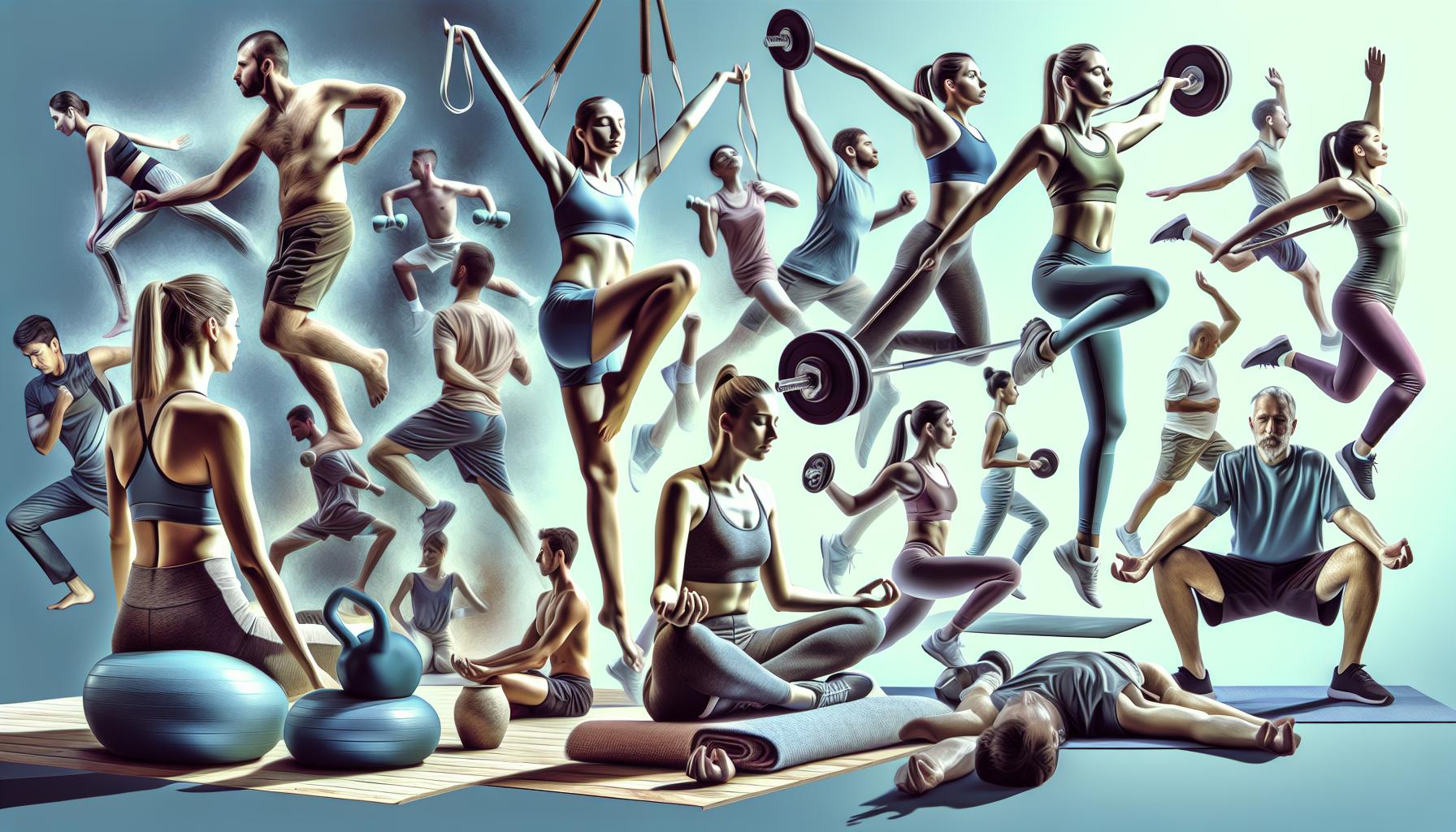
The Impact of Physical Exercise on Stress Management
In a society that often glorifies busyness, the prevalence of stress has reached staggering heights. Each day’s demands can snowball, leading to feelings of anxiety and overwhelm. This is where physical exercises come into play, acting as a means to restore calm and clarity. Not only does exercising help regulate stress levels, but research indicates that consistent movement provides significant mental health benefits, making it a critical part of a balanced lifestyle.
Engaging in yoga is one of the most effective stress-relief practices available. Beyond its physical poses, yoga integrates mindfulness and breathing techniques that can lower cortisol levels, the hormone associated with stress. For instance, studies have shown that just 30 minutes of yoga can significantly reduce anxiety levels. This is more than just anecdotal; the practice has been embraced by thousands across the United States, with community classes available in cities nationwide, and many people latching onto its benefits. From hot yoga to gentle restorative sessions, there is a style suited for everyone.
The simplicity of running as a stress-relieving exercise cannot be overstated. This activity not only helps in releasing endorphins, often dubbed the body’s natural antidepressants, but it also offers a sense of accomplishment and control in a hectic world. Many individuals find solace in the rhythm of their footsteps and engage in running clubs, thereby combining physical exercise with social support. Events like marathons often become personal milestones that contribute to mental fortitude.
Strength training, frequently underestimated in its mental health benefits, also plays a crucial role. The act of lifting weights not only enhances physical strength but builds resilience and confidence, encouraging individuals to confront challenges both in and outside the gym. Programs like CrossFit and local powerlifting competitions are popping up across the country, showcasing the mental and physical transformations that can arise from these activities.
Even the most straightforward act of walking can serve as a profound tool for stress alleviation. It’s easily accessible and requires no special equipment. Taking a stroll in a park or around the neighborhood allows individuals to clear their thoughts while simultaneously enjoying nature. Research suggests that regular walks can boost creativity and overall happiness, making it an excellent antidote for stressful moments.

Furthermore, the joy of dancing should not be overlooked; it is an exhilarating form of self-expression that can act as a powerful release of emotional tension. Dance classes, from Zumba to salsa, provide not only a workout but a chance to connect with others and experience joy through movement. The communal atmosphere often leads to lasting friendships, which can be vital in combating feelings of isolation that stress can often bring.
Integrating these physical activities into one’s daily routine can elevate stress management from a simple coping mechanism to a transformative life experience. The shift toward regular exercise not only brings physical improvements but fosters community and camaraderie, which are crucial for maintaining mental health. Through shared activities, individuals can support each other in navigating the pressures of life, enhancing their sense of belonging.
Are you curious to discover how these various forms of physical exercise can enrich your life? By exploring and experimenting with these activities, you might find the perfect outlet for stress relief and personal growth. Let’s delve deeper into each of these exercises, shedding light on how they can uniquely contribute to a more balanced and peaceful existence.
DIVE DEEPER: Click here to learn how to boost your hydration
Exploring Relaxation Through Movement
Physical exercise serves as an invaluable tool for combating stress, offering a myriad of options that cater to different preferences and lifestyles. By exploring various forms of exercise, individuals can find the right fit to help them manage the pressures of daily life. Understanding these alternatives is crucial in cultivating a more balanced and fulfilling life.
The Therapeutic Power of Yoga
As mentioned, yoga stands out as a holistic practice that marries physical activity with mindfulness. Unlike many conventional workouts, yoga emphasizes a connection between the mind and body through a focus on breath and intentional movement. Beyond the physical postures, this activity fosters a sense of inner peace, making it particularly effective for stress reduction. Those engaging in yoga often report not only decreased levels of anxiety but also improved emotional regulation. This dual benefit makes yoga a compelling choice for those looking to alleviate stress while enhancing their overall well-being.
The Benefits of Running for Mental Clarity
Running provides an outlet for releasing pent-up energy, offering both clarity of thought and a rush of feel-good endorphins. Many enthusiasts describe “runner’s high,” a euphoric state attributed to the robust release of these natural chemicals during intense exercise. Running, even at a moderate pace, cultivates mental resilience by laying down personal goals and achieving them through discipline. For those looking to enhance their running experience, joining local running clubs or participating in community races can introduce a sense of accountability and camaraderie that further helps combat stress.
Strength Training: Building Resilience
Strength training is often celebrated for its role in enhancing physical appearance, but its psychological benefits deserve equal attention. Engaging in resistance exercises helps individuals build not just muscle but also self-confidence and empowerment. As individuals progress with their training, they are often faced with obstacles that require perseverance, mirroring challenges they may encounter in everyday life. Gyms and communities across the United States are increasingly incorporating group classes and competitions that foster a supportive environment, encouraging participants to push their limits and connect with others.
The Accessibility of Walking
Sometimes, the simplest forms of exercise can have the most profound impact. Walking is universally accessible—requiring no gym membership or elaborate equipment. By taking a brisk stroll in a nearby park or around the neighborhood, individuals can experience immediate grounding effects. Research indicates that consistent walking can increase feelings of happiness and improve overall creative thought processes. With its minimal barriers to entry, walking can easily fit into even the busiest lifestyles.
Finding Joy in Dance
Lastly, dancing serves as a vibrant escape from stress, transforming movement into a celebration. Whether it’s a structured dance class or simply a spontaneous dance party at home, this form of exercise allows for self-expression and can be a remarkable outlet for emotions. Classes range from hip-hop to ballroom dancing and provide a unique opportunity to meet new people, enriching social well-being while promoting physical health.
Each of these activities presents a unique approach to stress management, demonstrating that incorporating movement into daily routines can yield profound benefits. By engaging with physical exercises, individuals can find not just relief but also a pathway to a more balanced, vibrant life that embraces both mental and physical well-being.
Exploring the Best Physical Exercises for Stress Relief
Physical exercises play a vital role in combating stress and fostering a more balanced life. Here, we delve into some of the most effective types of activities that not only reduce stress levels but also enhance overall well-being.
| Type of Activity | Benefits |
|---|---|
| Yoga | Promotes relaxation and mindfulness while improving flexibility and strength. |
| Running | Releases endorphins, which are natural mood lifters, helping to decrease anxiety. |
| Swimming | Offers a full-body workout that is gentle on the joints, reducing physical stress. |
| Dancing | Enhances mood and socialization, providing a creative outlet for stress relief. |
The above activities represent just a fraction of the possibilities available to combat stress through physical exercise. Incorporating them into your daily routine can lead to a more harmonious life filled with vitality. As you explore these options, you may discover that each type of exercise offers unique benefits, catering to various preferences and lifestyles. In addition to these activities, engaging in regular physical exercise can also improve sleep quality, which is crucial for managing stress. The connection between mental health and exercise cannot be overstated; by prioritizing movement, you embrace a proactive approach to coping with life’s challenges. Thus, it is essential to experiment with different forms of exercise to find what resonates most effectively.
DISCOVER MORE: Click here to uncover how food impacts your sleep
Exploring Dynamic Stress Relief Techniques
In addition to the traditional forms of physical exercises discussed, there are numerous dynamic stress-relief techniques that can help individuals harness their energy positively. By exploring diverse and engaging activities, one can discover creative outlets for stress management while contributing to a holistic approach to well-being.
The Zen of Tai Chi
Tai Chi, often referred to as “meditation in motion,” is an ancient Chinese martial art that combines slow, deliberate movements, posture, and deep breathing to promote relaxation. This practice encourages participants to cultivate mindfulness through fluid motion, easing tension in both the mind and body. Scientific studies have shown that regular practice of Tai Chi can enhance mental clarity and reduce stress levels significantly. As an accessible exercise that can be performed in groups or solo, Tai Chi presents a unique avenue for individuals seeking to establish both physical and mental equilibrium.
Cycling for Freedom
Cycling provides an exhilarating way to experience the outdoors while promoting cardiovascular fitness. Whether biking through city streets or meandering along scenic trails, cycling can enable individuals to escape daily pressures and immerse themselves in nature. The rhythmic motion of pedaling has been shown to improve mental health, often resulting in lower symptoms of anxiety and depression. Cycling groups are prevalent across communities, offering opportunities to socialize while staying active—an excellent blend for anyone eager to mitigate stress in a supportive environment.
Martial Arts: Discipline and Focus
Martial arts offer more than just physical training; they instill discipline, focus, and self-defense capabilities. Forms such as karate, judo, and Brazilian jiu-jitsu help participants channel their energy into structured techniques, encouraging mental fortitude and emotional stability. Engaging in martial arts requires participants to concentrate on their movements while letting go of external worries, enhancing both physical prowess and a sense of accomplishment. Many studios also foster a community spirit, allowing individuals to connect with peers, making this stress-relief method even more effective.
Adventure Sports: Conquering Fear
For those seeking more adrenaline-fueled activities, adventure sports present exhilarating avenues for stress relief. Activities such as rock climbing, kayaking, and even surfing require complete focus and commitment, pulling participants away from stresses and into the moment. The challenge of overcoming personal fears and mastering new skills plays a crucial role in enhancing an individual’s resilience. Adventure sports can also lead to a profound sense of achievement and camaraderie, as participants often share these thrilling experiences with others.
High-Intensity Interval Training (HIIT) for Quick Stress Relief
High-Intensity Interval Training (HIIT) has gained immense popularity for its efficiency and effectiveness in managing stress. This training method alternates between short bursts of intense activity and recovery periods, keeping the heart rate elevated and enabling greater calorie burn in minimal time. Studies indicate that engaging in HIIT can lead to significant reductions in cortisol levels, the hormone associated with stress. For busy individuals, HIIT workouts—which often last between 20 to 30 minutes—can easily fit into a hectic day while providing a sense of accomplishment.
These various dynamic stress-relief techniques demonstrate that there are countless options for individuals looking to incorporate physical activity into their routines. By participating in these exercises, individuals not only foster stress management but also contribute to a richer, healthier lifestyle. Emphasizing the importance of movement as a guiding principle for balancing physical and mental health can yield transformative results. With each type of activity, there are new opportunities to discover what resonates personally and provides the desired relief from everyday stressors.
DISCOVER MORE: Click here to learn how food impacts your sleep
Conclusion: Embracing Movement for Stress Relief
In a world characterized by constant demands and pressures, the importance of physical exercise as a tool for combating stress cannot be overstated. From the gentle flow of Tai Chi to the invigorating rush of HIIT, each activity presents unique benefits, enabling individuals to tailor their routines to personal preferences and lifestyles. Engaging in dynamic physical activities, whether through community cycling or focused martial arts, not only fosters physical health but also nurtures mental resilience, serving as a powerful antidote to the stresses of everyday life.
Cycling provides a refreshing respite from daily challenges, allowing individuals to reconnect with nature, while adventure sports bring thrilling escapades that ignite a sense of achievement and camaraderie. Every movement made in these activities translates into emotional release, offering renewed clarity and perspective. Moreover, the social dynamics of group workouts can bolster accountability and motivation, proving that stress relief is often best achieved in the company of others.
As we acknowledge the various pathways to achieving a more balanced life, it is essential to embrace the concept that physical exercises can significantly enhance our well-being. Whether it’s integrating small bouts of exercise throughout the day or committing to a regular class, the journey towards a healthier, less stressful life begins with the very first step. In exploring the rich tapestry of activities available, individuals are encouraged to seek and discover the methods that resonate with them most, ultimately transforming their approach to both stress management and overall vitality.
Related posts:
The Art of Breathing: Breathing Techniques to Reduce Stress Daily
The practice of gratitude as a stress management strategy: how to cultivate a positive mindset daily
The influence of healthy eating on stress reduction and promotion of emotional balance
The Importance of Physical Exercise in Reducing Stress and Improving Well-Being
Nature and Stress: How Contact with the Natural Environment Can Promote Well-Being
Breathing Exercises: A Simple Approach to Alleviating Stress

Beatriz Johnson is a seasoned wellness coach and writer with a passion for simplifying the principles of holistic health and balanced living. With over a decade of experience in the wellness industry, she specializes in topics like mindful nutrition, sustainable fitness routines, and mental well-being strategies. Through her work on our website, Beatriz empowers readers to make informed lifestyle choices and cultivate habits that promote lasting harmony in their daily lives.