
Exploring Different Types of Yoga for Stress Relief and Flexibility
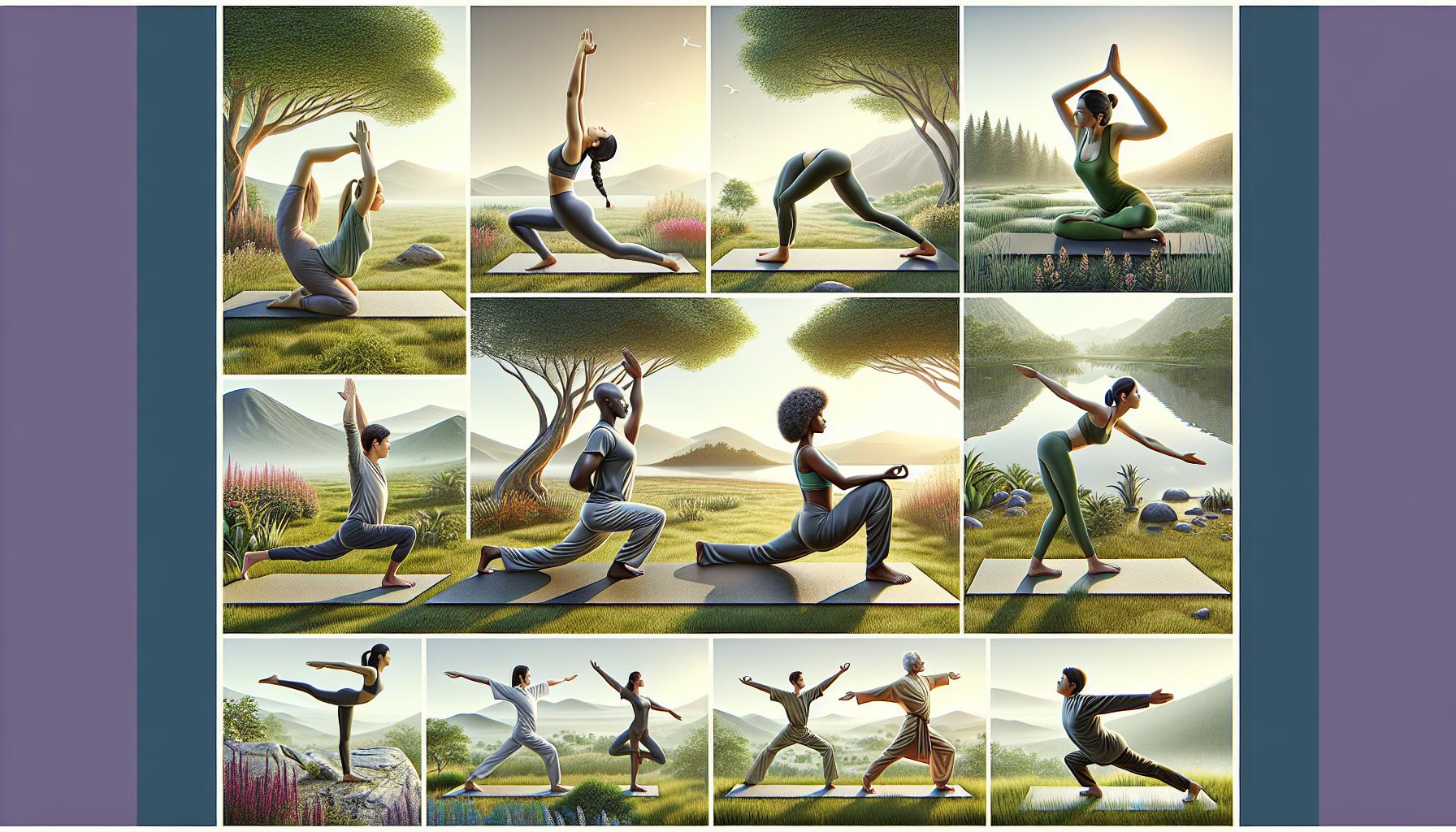
The Rise of Yoga in Modern Society
As the world continues to evolve at an astonishing rate, the need for a holistic approach to health and wellness has never been more critical. Yoga, an ancient practice originating from India, has experienced a remarkable surge in popularity in the United States. This growth is largely due to an increasing awareness of the connection between physical, mental, and emotional well-being. As individuals seek solace from the daily grind and are drawn to practices that enhance their flexibility and promote stress relief, yoga presents a comprehensive solution.
Diverse Yoga Styles to Suit Every Need
One of the most appealing aspects of yoga is its variety. With various styles available, individuals can select practices that resonate with their personal needs and lifestyles. Here’s a deeper look at some of the most commonly practiced styles of yoga:
- Hatha Yoga: Often considered the foundation of yoga, Hatha serves as a gentle introduction to basic poses. This style is perfect for beginners who want to build a solid understanding of the fundamental postures and breathing techniques. It focuses on alignment and helps cultivate a calm mind, making it an excellent choice for those new to the practice.
- Vinyasa Yoga: Known for its dynamic transitions, Vinyasa links breath with movement. Often set to music, this style offers a more energetic experience that enhances strength and flexibility. Classes can vary widely in intensity and pace, making it accessible to individuals at different fitness levels. For instance, a Vinyasa class might incorporate sun salutations, which flow seamlessly from one posture to another, promoting an invigorating workout.
- Yin Yoga: This slower-paced style encourages deep stretching through prolonged holds, often targeting the connective tissues such as ligaments and tendons. Yin Yoga works to improve flexibility and can be particularly effective in relieving stress. Practitioners often find it meditative, as it encourages introspection and relaxation.
- Restorative Yoga: This style emphasizes deep relaxation, allowing the body to rest and rejuvenate. Props such as bolsters, blankets, and blocks are often used to support the body in various poses. Restorative yoga can be an excellent option for those recovering from injury or simply seeking a peaceful escape from the busyness of life.
- Ashtanga Yoga: For those seeking a more rigorous workout, Ashtanga offers a vigorous sequence of postures practiced in a fixed order. This style is known for promoting physical strength and mental focus, challenging practitioners to push their limits while developing a deeper sense of discipline.
With each type of yoga presenting its unique approach to enhancing both mind and body, individuals are encouraged to explore various classes to find what resonates. Whether you are seeking to reduce anxiety, improve flexibility, or simply find a moment of peace amidst chaos, the right style of yoga can significantly transform your wellness journey.
Embarking on Your Yoga Journey
Exploring different yoga practices not only enhances your personal growth but can also serve as a gateway to a larger community of like-minded individuals. As you embark on this journey, consider what your personal goals are and how each style aligns with your aspirations for improved stress relief and flexibility. The transformative power of yoga is waiting for you, so take the first step and immerse yourself in the experience that suits you best. Are you ready to discover the profound benefits yoga has to offer?
DISCOVER MORE: Click here to dive deeper

Understanding the Impact of Yoga on Stress and Flexibility
In a fast-paced world filled with constant demands and distractions, many individuals are turning to yoga not only as a form of exercise but as a means to cultivate inner peace and improve flexibility. Research suggests that regular yoga practice can significantly reduce stress levels, enhance emotional resilience, and increase physical flexibility. But how does yoga achieve this remarkable transformation, and which styles are particularly effective for these benefits?
The Science Behind Yoga and Stress Relief
The effects of yoga on stress relief are well-documented. Regular practice has been shown to lower cortisol levels, the hormone closely linked to stress. Moreover, yoga enhances mindfulness and promotes relaxation through controlled breathing, which activates the parasympathetic nervous system, often referred to as the “rest and digest” system. This physiological response helps counteract the fight-or-flight reaction induced by stress.
Yoga styles such as Hatha and Yin are particularly effective for those seeking stress relief. The gentle movements and emphasis on deep, intentional breathing allow practitioners to cultivate a sense of calm. Research indicates that participants in yoga classes report decreased anxiety and improved mood, alongside a greater sense of overall well-being.
Exploring Flexibility through Different Yoga Practices
Flexibility is another significant benefit derived from yoga practices. The various poses and stretches target different muscle groups, gradually increasing the range of motion and flexibility over time. Here’s how some popular yoga styles contribute to improved flexibility:
- Vinyasa Yoga: The fluid transitions between poses not only build strength but also enhance flexibility as muscles are continually stretched and released through dynamic movements.
- Yin Yoga: By holding poses for several minutes, this style promotes deep stretches that target connective tissues, leading to a greater release of tension and improved flexibility in joints.
- Restorative Yoga: The use of props to support the body allows for gentle stretching without strain, making it easier for individuals to ease into deeper flexibility naturally.
- Ashtanga Yoga: This challenging style promotes strength and flexibility simultaneously through a set series of poses, encouraging practitioners to deepen their stretches progressively.
With countless studies supporting the physical and mental benefits of yoga, incorporating these diverse styles into one’s routine can be an effective strategy for enhancing both relaxation and flexibility. As practitioners begin to explore the specific benefits of each style, they can tailor their practice to meet personal goals and needs effectively.
Finding Your Perfect Yoga Fit
The journey to discovering the right type of yoga that resonates with your individual needs can be transformative. Whether you seek a practice that alleviates stress or enhances your physical flexibility, understanding the unique aspects of different yoga styles can help guide your decision. In a world that often feels overwhelming, the right yoga practice can be a sanctuary for the body and mind alike, promoting a healthier, more balanced lifestyle.
Understanding Various Yoga Styles
Yoga encompasses a diverse range of styles, each uniquely tailored to address stress relief and enhance flexibility. Understanding these variations can significantly improve your practice and personal well-being.
Hatha Yoga
Hatha Yoga serves as an excellent introduction for beginners, focusing on basic postures and breath control. This slower-paced practice emphasizes alignment and stability, allowing students to cultivate both physical and mental clarity. The integration of breathing techniques aims to alleviate stress, making it a valuable choice for those new to yoga.
Vinyasa Yoga
Vinyasa Yoga, known for its fluid transitions between poses, promotes a dynamic flow that keeps practitioners engaged. This style encourages a strong connection between breath and movement, effectively reducing anxiety and enhancing flexibility. The cardiovascular component of Vinyasa can also invigorate your body, making it an appealing option for those seeking a more active practice.
Restorative Yoga
For individuals grappling with stress, Restorative Yoga is a gentle approach that utilizes props to support the body in various postures. This style is perfect for unwinding and releasing tension. By holding poses for extended periods, practitioners can experience profound relaxation, which can positively impact both mental and physical health.
Pilates Yoga Fusion
Combining the principles of Pilates with traditional yoga techniques, this hybrid style focuses on core strength while improving overall flexibility. This approach not only enhances muscle tone but also provides stress relief through mindful movement. It’s an excellent choice for those interested in a comprehensive workout that nurtures both body and mind.
Yin Yoga
Yin Yoga offers a unique perspective by targeting the deep connective tissues and promoting flexibility. Postures are held for several minutes, facilitating a meditative state and allowing for deeper emotional release. This practice encourages introspection, making it a powerful tool in the pursuit of stress relief.
| Yoga Style | Key Benefits |
|---|---|
| Hatha Yoga | Promotes alignment and clarity, ideal for beginners. |
| Vinyasa Yoga | Enhances cardiovascular health and reduces anxiety. |
| Restorative Yoga | Promotes deep relaxation and stress relief. |
| Pilates Yoga Fusion | Strengthens core while enhancing flexibility. |
| Yin Yoga | Targets deep tissues, offering emotional release. |
Exploring these diverse styles of yoga not only aids in alleviating stress but also invites practitioners to discover their personal preferences and physical capabilities. Each style presents unique benefits that can transform your physical and mental health, encouraging you to delve deeper into your yoga journey.
DISCOVER MORE: Click here to learn about boosting your hydration
Choosing the Right Style for Your Personal Journey
As the popularity of yoga continues to surge, it’s essential for newcomers and seasoned practitioners alike to navigate the plethora of styles available. Each style offers a unique approach to stress relief and flexibility, catering to various preferences and needs. By understanding the fundamental characteristics of popular yoga styles, you can tailor your practice to maximize its benefits effectively.
Restorative Yoga: The Art of Stillness
Restorative Yoga focuses primarily on relaxation and restoring the body to a state of balance, utilizing props such as blankets, bolsters, and blocks to support the body in various poses. This style is particularly beneficial for those experiencing chronic stress, fatigue, or anxiety. Research from the University of Massachusetts shows that participants in restorative yoga practices report significant reductions in stress levels and improvements in emotional well-being. Each pose is held for several minutes, allowing for deep relaxation and a gentle stretching of muscles, which can lead to increased flexibility over time without the risk of injury.
Yoga Nidra: The Yoga of Sleep
Yoga Nidra, often referred to as “yogic sleep,” is another effective method for stress relief. It guides practitioners into a deep state of conscious relaxation that facilitates a restful experience akin to sleep. This practice emphasizes body awareness and breath control, allowing the mind to drift away from anxious thoughts and enter a peaceful state of relaxation. Studies have suggested that Yoga Nidra can significantly reduce symptoms of anxiety and stress, making it an optimal choice for those seeking mental clarity and emotional stability.
Power Yoga: Building Strength and Resilience
Power Yoga is a dynamic style that combines strength-building poses with sustained movement. This vigorous practice not only enhances physical flexibility but also serves as an effective stress reliever through the release of endorphins, often referred to as the body’s natural mood lifters. For those who thrive on physical challenges, Power Yoga may provide an exhilarating outlet for stress management. It encourages focus and discipline, leading practitioners to cultivate resilience both on and off the mat.
Kundalini Yoga: Awakening Inner Energy
Kundalini Yoga is known for its use of breath work, chanting, and specific postures designed to awaken the Kundalini energy believed to reside at the base of the spine. This spiritual practice focuses on the mind-body connection, creating a profound sense of relaxation while enhancing flexibility. The incorporation of meditation and pranayama (breathing techniques) helps practitioners release pent-up emotional tension and fosters a holistic approach to stress relief. Many individuals who practice Kundalini Yoga report enhanced clarity, emotional balance, and increased flexibility, both physically and mentally.
Gentle Yoga: An Accessible Approach
For those new to yoga or with mobility challenges, Gentle Yoga offers a welcoming environment. This style blends elements from various forms, incorporating slow-paced movements and gentle stretches that cater to all fitness levels. Research suggests that gentle yoga poses can improve overall mobility and reduce feelings of stress and anxiety. It’s an excellent starting point for anyone wishing to begin their yoga journey, as it emphasizes mindfulness and stress relief without the intensity of more vigorous styles.
With this wealth of options, those looking to explore yoga for stress relief and flexibility can find a practice that resonates with their individual preferences. The diversity among yoga styles not only invites practitioners to explore various avenues for enhancing their physical and mental well-being but also empowers them to create a fulfilling and sustainable yoga journey.
DISCOVER MORE: Click here to learn about the connection between diet and mental well-being
Embracing Your Yoga Journey
In summary, the exploration of different types of yoga offers a rich tapestry of experiences aimed at achieving stress relief and enhancing flexibility. From the deeply restorative practices of Restorative Yoga and the tranquil depths of Yoga Nidra to the vigorous movements of Power Yoga and the spiritual awakening found within Kundalini Yoga, each style presents distinct ways to nurture both body and mind. The accessibility of Gentle Yoga makes it an ideal entry point for anyone looking to embark on their yoga journey, regardless of fitness level.
Understanding the purpose and benefits of each style empowers practitioners to make informed choices that cater to their individual needs and preferences. With ongoing studies consistently highlighting the mental and physical advantages of yoga, these practices not only promise enhanced flexibility but also offer invaluable tools for managing stress in today’s fast-paced world. Now is the perfect time to embrace a practice that resonates with your lifestyle and personal goals.
As you delve deeper into your own yoga journey, remember that the most important aspect is to remain open and curious. Whether through exploring different styles or deepening your experience in a chosen practice, every moment on the mat contributes to personal growth. So take a breath, roll out your mat, and discover how yoga can reveal new pathways to inner peace and well-being in your life.
Related posts:
Designing Family-Friendly Exercise Routines to Foster Togetherness and Fitness
Exploring Mindful Movement: How Yoga and Pilates Enhance Physical and Mental Well-being
The Impact of Technology on Modern Exercise Routines: Apps, Trackers, and Virtual Classes
How to Integrate Physical Exercise into Daily Routine to Promote Mental Health and Well-being
The Role of Strength Training in Building Resilience and Confidence
High-Intensity Exercises vs. Low-Intensity Exercises: Which is Better for Your Health?

Beatriz Johnson is a seasoned wellness coach and writer with a passion for simplifying the principles of holistic health and balanced living. With over a decade of experience in the wellness industry, she specializes in topics like mindful nutrition, sustainable fitness routines, and mental well-being strategies. Through her work on our website, Beatriz empowers readers to make informed lifestyle choices and cultivate habits that promote lasting harmony in their daily lives.