
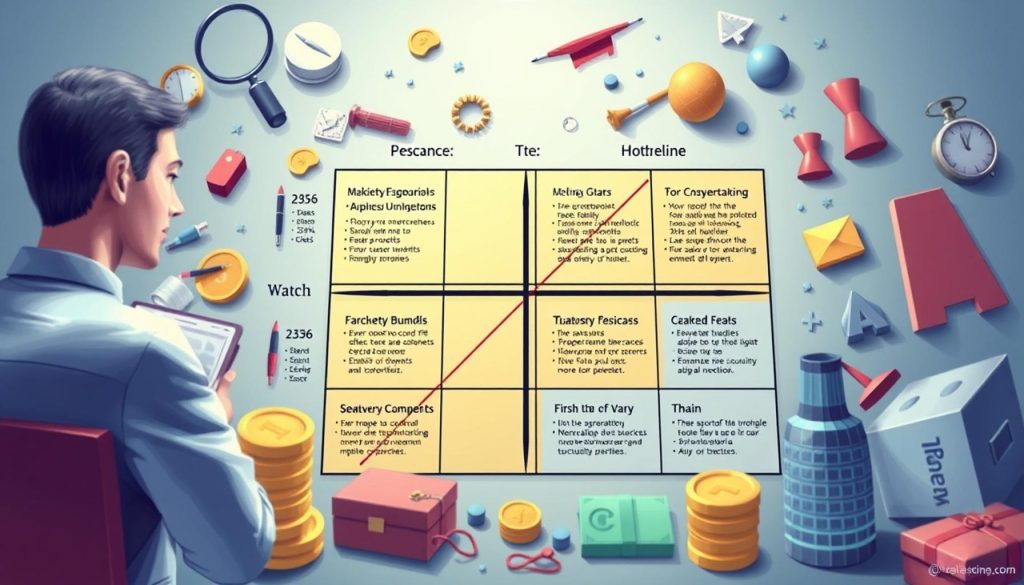
The Importance of Task Prioritization
In today’s fast-paced world, staying productive amidst countless demands can often feel overwhelming. With limited hours in a day and a never-ending to-do list, having a clear strategy is essential. The Eisenhower Matrix emerges as a powerful tool designed to help individuals and teams organize their tasks based on two critical factors: urgency and importance. Developed by former U.S. President Dwight D. Eisenhower, this method not only enhances efficiency but also aids in reducing stress, enabling users to focus on what truly matters.
Understanding the Four Quadrants
The Eisenhower Matrix divides tasks into four distinct areas, each representing different levels of importance and urgency:
- Urgent and Important – This quadrant encompasses tasks that demand immediate action. Examples include project deadlines that are approaching or emergencies that require instant resolution. These tasks should take top priority in your daily agenda.
- Important but Not Urgent – Tasks in this category are significant for long-term success but do not require immediate action. For instance, strategic planning sessions or personal development activities like courses and workshops belong here. Scheduling these tasks into your calendar is crucial to ensure they receive the necessary attention.
- Urgent but Not Important – These tasks require prompt attention but may not contribute significantly to your goals. Tasks such as attending certain meetings or responding to non-critical emails often fit into this quadrant. Delegating these tasks can free up valuable time for more pressing matters.
- Neither Urgent nor Important – Items that fall into this category can often be eliminated or postponed. Activities like scrolling through social media or engaging in excessive television viewing typically belong here and should be minimized to avoid distractions.
Boosting Productivity and Reducing Stress
Using the Eisenhower Matrix effectively can transform not only how you manage your tasks but also how you approach your day-to-day life. By clearly distinguishing between what is urgent and what is important, individuals may gain a better sense of direction, paving the way for enhanced productivity both personally and professionally. For instance, consider a project manager facing countless project deadlines. By categorizing tasks within the matrix, they can focus on high-impact activities while delegating or rescheduling lower-priority tasks, thus promoting a healthier work-life balance.
As you explore the intricacies of the Eisenhower Matrix, think about how this method can reshape your task management approach. By fostering a mindset that differentiates urgency from importance, you may discover clarity in your daily routine, empowering you to make more informed decisions. Embracing this structured approach could lead you to not only achieve your goals more effectively but also cultivate a more balanced and fulfilling life.
Implementing the Eisenhower Matrix in Your Daily Routine
To harness the full potential of the Eisenhower Matrix, it’s essential to incorporate it seamlessly into your daily routine. This strategic approach to task prioritization not only clarifies daily agendas but also helps streamline decision-making. Consider beginning your day by reviewing all tasks that demand your attention and categorizing them according to the four quadrants that define the matrix.

Start with a comprehensive list of your tasks. Whether you’re managing a team or juggling personal commitments, it’s crucial to identify everything that requires your attention. Once you have your list, evaluate each task based on two key dimensions: urgency and importance. The distinction may seem subtle, but it can significantly affect your productivity and sense of satisfaction.
Practical Steps for Segmentation
Here are some practical steps to implement the Eisenhower Matrix into your task management:
- List All Tasks: Begin by writing down everything you aim to accomplish. This may include work-related commitments, household chores, or personal development goals.
- Evaluate Urgency and Importance: For each task, ask yourself whether it is urgent, important, both, or neither. Involve team members when applicable to gain different perspectives on task significance.
- Assign Tasks to Quadrants: Based on your evaluations, place your tasks in one of the four quadrants of the matrix. This organization helps visualize your priorities at a glance.
- Make Daily Adjustments: With priorities clearly outlined, adjust your daily tasks as necessities change. The beauty of the matrix is its flexibility; you can adapt and realign as new tasks emerge.
- Reflect Weekly: To optimize long-term effectiveness, spend a few minutes each week reflecting on completed tasks and future commitments. This reflection can help refine your approach and identify patterns over time.
Adopting this structured format not only clarifies priorities but enhances focus and mitigates the potential for burnout. By operating within the framework of the Eisenhower Matrix, you’re not merely working harder; you’re strategically channeling your energy into high-impact activities. Moreover, this method can cultivate a sense of achievement and control amidst the chaos of daily responsibilities.
As you begin to implement the Eisenhower Matrix in your life, you may uncover the paradox that the most significant tasks are often those that are not urgent. Long-term projects, strategic planning, and self-care initiatives may not scream for your immediate attention, yet they lay the groundwork for future success. By recognizing and prioritizing these critical tasks, you empower yourself to achieve personal and professional aspirations with grace and effectiveness.
The Eisenhower Matrix: A Strategic Approach to Task Prioritization
The Eisenhower Matrix is a powerful tool for anyone looking to enhance their productivity and organization. By distinguishing tasks based on urgency and importance, it allows individuals to focus on what truly matters. This framework categorizes tasks into four quadrants: urgent and important, important but not urgent, urgent but not important, and neither urgent nor important. Understanding where a task falls in this matrix can transform the way you approach your daily routines.
| Advantages | Key Features |
|---|---|
| Enhanced Focus | Allows users to concentrate on tasks that align with their goals |
| Time Management | Helps prioritize and allocate time efficiently |
Using the Eisenhower Matrix not only enhances decision-making abilities but also fosters a productive mindset. By categorizing tasks, users can identify what requires immediate attention — helping to avoid overwhelm and procrastination. In a world filled with constant distractions, leveraging this strategic approach can lead to significant improvements in both personal and professional endeavors. As you explore the intricacies of the Eisenhower Matrix, consider how you currently prioritize tasks. Are you spending too much time on urgent but less important tasks? This matrix encourages reflection and proactive management of one’s workload to achieve optimal results. Dive deeper into this methodology to unlock your potential for achieving more with less stress.
Maximizing Productivity with the Eisenhower Matrix
One of the most compelling aspects of the Eisenhower Matrix is its ability to maximize productivity by helping individuals and teams distinguish between pressing tasks and those that truly contribute to long-term goals. This structured approach not only allows for the efficient allocation of time but also, when applied consistently, fosters a culture of thoughtful decision-making in workplaces.
Create a Dynamic Workflow
The second fundamental pillar of effective task management using the Eisenhower Matrix is the development of a dynamic workflow. This means moving beyond a static to-do list and embracing a fluid system in which tasks can shift among quadrants as circumstances change.
- Utilize Technology: Invest in task management tools that embody the Eisenhower principles. Platforms like Asana or Trello can visually represent your tasks within the matrix format. These tools often allow for easy updates and modifications, enabling you to maneuver tasks quickly as important deadlines loom or new projects arise.
- Regular Updates: Schedule a specific time each day to revisit the Eisenhower Matrix. This brief reflection can be instrumental, allowing you to reassess the urgency and importance of tasks in light of changing conditions, such as new information or unexpected challenges.
- Team Collaboration: Encourage team members to share their quadrants during meetings. This collective review fosters transparency and enables better alignment across projects. Furthermore, understanding others’ priorities can help streamline team initiatives, ensuring everyone is working with a shared vision.
Creating a dynamic workflow is essential for ensuring that your prioritization remains relevant. For instance, consider a marketing manager juggling multiple campaigns, each with varying deadlines and requirements. By actively maintaining the Eisenhower Matrix and revisiting its contents regularly, the manager can swiftly adapt his or her focus, empowering the team to remain agile and effective in the face of rapid changes.
Aligning with Personal Values
Another intriguing benefit of using the Eisenhower Matrix lies in its ability to align tasks with your personal values and long-term objectives. Many individuals experience a disconnect between their day-to-day activities and what they deem truly important in their lives.
- Identify Core Values: At the start of your prioritization journey, spend time identifying your core values. Whether it’s family, career advancement, or health and well-being, establishing these guiding principles ensures that your most consequential tasks resonate with your vision.
- Integrate Values into Quadrants: As you categorize tasks, actively integrate your values. For example, tasks that contribute towards professional growth might inhabit the ‘Important but Not Urgent’ quadrant, allowing you time to focus on skills that lead to future success.
- Evaluate Personal Projects: Don’t forget about personal projects or self-care. Allocating time for activities that nurture your interests or mental well-being can lead to a more balanced and gratifying life.
Ultimately, the strategic application of the Eisenhower Matrix fosters not only clarity and productivity but also cultivates a lifestyle rooted in individual values and priorities. This holistic framework allows for the development of habits that prepare you for the unpredictable demands of daily life while simultaneously paving the way for long-term achievements.
Conclusion: Embracing the Eisenhower Matrix for Effective Prioritization
As we navigate the complexities of our professional and personal lives, the Eisenhower Matrix emerges as a powerful tool for strategic task prioritization. By categorizing tasks into four distinct quadrants, it allows individuals and teams to make informed decisions about what truly warrants attention. This intentional method, which separates urgency from importance, not only enhances productivity but also enables a more meaningful alignment with personal values and long-term objectives.
In a world where distractions abound and multitasking may dilute focus, adopting the Eisenhower Matrix offers a refreshing perspective. It encourages a shift from reactive to proactive planning—allowing for a dynamic workflow and fostering accountability among team members. Furthermore, the integration of technology into this process facilitates continuous reassessment and clarity, ensuring that priorities evolve in tandem with changing demands.
Ultimately, the true strength of the Eisenhower Matrix lies not just in promoting efficiency but in cultivating a life that resonates with our fundamental values. As you embark on your prioritization journey, remember that investing time in defining what is truly important will pave the way for sustainable success and fulfilment. Whether for professional projects or personal endeavors, this strategic approach can transform how we tackle our tasks, leading to a more balanced and rewarding existence.
In an increasingly fast-paced environment, embracing the principles of the Eisenhower Matrix could be your key to unlocking a more organized and purpose-driven life. Now is the time to take charge of your task management with confidence and clarity.

Linda Carter is a writer and productivity and personal organization specialist focused on helping readers build better routines, manage their time, and stay on top of daily priorities. With experience covering practical planning methods, habit-building strategies, and tools for organization, Linda shares actionable guidance on our platform. Her goal is to empower readers with clear, realistic tips to work smarter, reduce overwhelm, and stay consistent over time.