
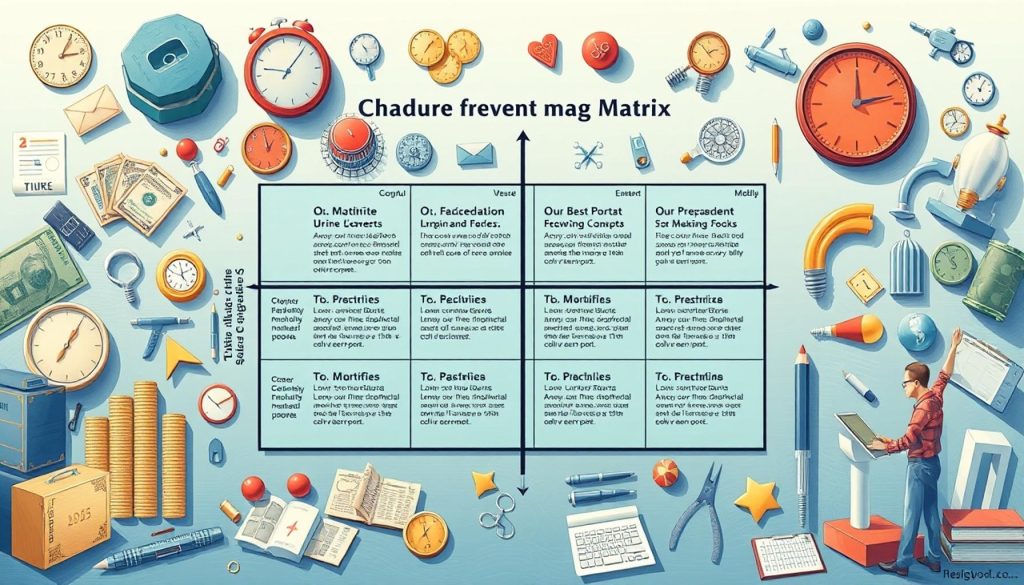
Transforming Your Task Management
In today’s fast-paced world, effective task management is essential. Many people struggle to prioritize their to-do lists, often feeling overwhelmed by the sheer volume of work. Enter the Eisenhower Matrix, a time-tested tool that can revolutionize how you approach your daily tasks and enhance your productivity.
What is the Eisenhower Matrix?
Named after former U.S. President Dwight D. Eisenhower, this simple yet powerful framework helps you categorize tasks based on two key criteria: urgency and importance. By clarifying these dimensions, you can make more informed decisions about where to focus your energy. Tasks are divided into four distinct categories:
- Urgent and Important: Do it now. These are crises or deadlines that require immediate action, like preparing for a presentation due tomorrow.
- Important but Not Urgent: Schedule it later. Activities such as strategic planning or personal development fall into this category, allowing you to improve over time.
- Urgent but Not Important: Delegate it. This could involve tasks like responding to certain emails that demand quick attention but can be handled by a colleague.
- Neither Urgent nor Important: Eliminate it. These include trivial distractions or activities that provide little value, like scrolling through social media aimlessly.
With the Eisenhower Matrix, prioritization becomes intuitive. Instead of getting sucked into the daily grind, you gain clarity on what genuinely matters. This enhanced focus can lead to improved productivity and help you achieve your goals with ease. For instance, by identifying tasks that belong in the “Important but Not Urgent” category, you can proactively tackle long-term projects that foster significant personal and professional growth.
Why Should You Care?
The Eisenhower Matrix is more than just a tool; it’s a mindset shift. By adopting this technique, you’ll discover how to:
- Manage stress levels effectively. Knowing what tasks to prioritize allows you to approach your work with a sense of control, reducing anxiety.
- Avoid burnout through better time allocation. By balancing urgent tasks with important ones, you preserve your energy for what truly drives your success.
- Make room for what truly drives your success. Focusing on significant projects can lead to remarkable accomplishments and greater satisfaction in your professional and personal life.
As you explore how to implement this matrix in your own life, prepare to unlock your productivity potential! Consider incorporating digital tools or templates that facilitate this categorization, allowing you to visualize your tasks more clearly. The transformation in how you manage your time could lead to a profoundly positive impact on your overall effectiveness and well-being.
The Eisenhower Matrix, when applied thoughtfully, offers a straightforward yet highly effective approach to mastering your responsibilities. Embrace this strategy and witness a shift in not only the quality of your work but also the balance in your life.
DISCOVER MORE: Click here for tips on managing distractions while working from home
Unpacking the Four Quadrants
To fully leverage the Eisenhower Matrix, it’s vital to understand the nuances of each quadrant in detail. Each category serves a specific purpose, and being aware of how to interpret them can significantly enhance your decision-making process.
1. Urgent and Important: Action Stations
This quadrant is where the heat is. Tasks categorized as urgent and important are those that demand immediate attention. Picture a looming deadline for a critical project or an unexpected issue that requires your intervention. Ignoring these tasks can lead to crises that could impact your productivity and reputation. To manage these tasks effectively, it’s essential to develop a strategy to address them promptly without becoming overwhelmed. Prioritizing these tasks ensures that you meet your obligations and maintain a robust workflow.
2. Important but Not Urgent: The Growth Zone
Often overlooked, the important but not urgent tasks lay the groundwork for sustainable success. These activities, such as skill-building workshops or strategic planning, might not scream for your immediate attention, but they are pivotal for your long-term goals. By scheduling time for these tasks, you can devote your energy to projects that foster growth and development. Implementing a daily or weekly review of these tasks can significantly shift your focus from reacting to proactively setting up your future success.
3. Urgent but Not Important: Delegate with Confidence
The third quadrant presents a golden opportunity to {insert subject}, as it encompasses tasks that require quick attention but don’t significantly contribute to your core objectives. Examples include responding to non-critical emails or attending meetings that don’t directly relate to your responsibilities. Rather than getting bogged down in these tasks, consider leveraging delegation. Assign these responsibilities to team members who can take care of them. This not only frees up your time for more significant projects but also fosters a collaborative work environment.
4. Neither Urgent nor Important: Time Wasters
Finally, we arrive at the neither urgent nor important category—activities that provide minimal value to your personal or professional life. Think of mindless scrolling through social media or binge-watching television shows when you could be working on a passion project. While relaxation is crucial, distinguishing between leisure and distraction is essential. By identifying and eliminating these tasks from your daily routine, you can reclaim valuable time that can be redirected towards more productive activities.
In conclusion, comprehending the intricacies of the Eisenhower Matrix so you can apply it accurately to your situation will create a robust foundation for effective task prioritization. As you explore these quadrants, you’ll develop deeper insights into managing your time and energy, paving the way for newfound productivity and personal satisfaction.
The Eisenhower Matrix: A Game-Changer for Task Prioritization
The Eisenhower Matrix, named after the 34th U.S. President Dwight D. Eisenhower, is a simple yet powerful tool designed to enhance productivity and streamline decision-making. This matrix categorizes tasks based on urgency and importance, allowing individuals and teams to focus on what truly matters.
By dividing tasks into four quadrants, users can clearly visualize their priorities, thus optimizing their workflow. The quadrants consist of:
- Important and Urgent: Tasks that need immediate attention.
- Important but Not Urgent: Tasks that require planning and foresight.
- Not Important but Urgent: Tasks that can often be delegated.
- Not Important and Not Urgent: Tasks that should be minimized or eliminated.
Such clarity can significantly reduce overwhelm and enhance focus, allowing users to spend their time on tasks that propel them towards their goals rather than getting bogged down by distractions. Moreover, it encourages critical thinking and reflection on how one manages time and resources.
The flexibility of the Eisenhower Matrix means it can be adapted for both personal and professional use, making it a valuable tool for anyone looking to maximize efficiency. Those who engage with this system often find that it leads to better time management, reduced stress, and increased productivity.
| Category | Description |
|---|---|
| Prioritization | Helps distinguish between tasks that are crucial versus those that are merely pressing. |
| Time Management | Allows for better allocation of time resources, ensuring important tasks get the attention they need. |
This strategic approach not only benefits individual productivity but can also enhance team dynamics, as everyone aligns their efforts toward common objectives. By adopting the Eisenhower Matrix, you embark on a journey of improved task management that can transform both your personal and professional life.
DISCOVER MORE: Click here to unlock the secrets of the Pomodoro Technique
Implementing the Eisenhower Matrix in Your Daily Routine
With an understanding of the four quadrants, the next step is to incorporate the Eisenhower Matrix into your daily routine effectively. The implementation of this powerful tool requires a committed approach to task management that aligns with how you work best. Here are some actionable strategies to get started.
1. Daily Review and Categorization
Begin each day with a review of your tasks. Jot down everything you need to accomplish, then categorize each task into one of the four quadrants. This simple act of classification not only helps you visualize your to-do list but also sharpens your focus on what truly matters. Using digital tools like Trello or Asana can streamline this process, allowing for easy updates and shifts in prioritization as tasks evolve throughout the day.
2. Time Blocking for High-Value Tasks
One effective strategy within the Eisenhower Matrix framework is time blocking. This technique involves setting aside specific blocks of time dedicated to your important but not urgent tasks. By reserving this time in your calendar, you prioritize growth and long-term objectives without interruptions. Aligning your most productive hours with these crucial tasks can lead to greater accomplishments and enhanced efficiency.
3. Create Accountability Structures
An essential aspect of successfully implementing the Eisenhower Matrix is creating accountability structures. Share your task list with a teammate, mentor, or friend who can keep you on track. Regular check-ins help to reinforce your commitment to focusing on high-priority tasks, particularly those in the important but not urgent quadrant. Utilizing platforms like Slack or Microsoft Teams enhances collaboration and fosters a sense of shared responsibility.
4. Adapt and Adjust
Flexibility is key to mastering the Eisenhower Matrix. As a dynamic tool, it requires periodic adjustments based on changing priorities and unexpected tasks. Embrace a growth mindset that allows you to pivot when necessary. For instance, if a new urgent task arises, reassess your quadrants and realign your high-priority items accordingly. Performing a weekly reflection on what went well and what didn’t will enhance your ability to pivot effectively.
5. Technology as an Ally
In a digital age, leveraging technology can significantly ease the task prioritization process. Many applications designed for productivity can be customized to fit the Eisenhower Matrix. Programs like Todoist and Notion offer features that allow categorization into quadrants, setting reminders for tasks in particular areas, or even visualizing your workload. Explore these tools to find one that suits your workflow, ultimately making it easier to stay organized and focused.
6. Educate and Inspire Others
Implementing the Eisenhower Matrix isn’t just a personal endeavor. Consider educating your team or colleagues about this effective task prioritization method. Host workshops or share resources highlighting its benefits. By fostering an environment where everyone utilizes the same strategies for task management, you can cultivate a culture of productivity and collaboration. This team-oriented approach not only inspires accountability but also enhances overall performance.
By actively integrating these strategies into your daily workflow, the Eisenhower Matrix can transform the way you prioritize tasks. Embracing this systematic approach leads not only to increased productivity but also a deeper sense of control over your time and efforts.
DIVE DEEPER: Click here to discover the Pomodoro Technique
Conclusion
The Eisenhower Matrix stands as a testament to the power of effective task prioritization, providing a structured framework that can drastically enhance both personal and professional productivity. By distinguishing between what is urgent and important, individuals gain clarity over their workloads, enabling them to focus on high-priority tasks that drive real progress. This systematic approach not only encourages better time management but also fosters a culture of intentionality and accountability in teams.
As you incorporate the Matrix into your daily routine, remember that flexibility is essential. The dynamic nature of tasks necessitates regular reviews and potential adjustments to effectively navigate life’s unpredictability. Utilizing technology can further streamline this process, allowing you to adapt quickly and remain organized in an ever-changing work landscape.
Ultimately, the true game-changer lies in how the Eisenhower Matrix empowers individuals to take charge of their time. By committing to this method and encouraging those around you to do the same, you create an environment where proactive and strategic thinking thrives. As the landscape of work continues to evolve, embracing such frameworks will be crucial in not just surviving, but excelling in today’s fast-paced world.
In conclusion, the Eisenhower Matrix offers not just a tool for task management but a pathway to achieving your long-term goals. As you explore its principles and apply them to your life, prepare to uncover a newfound sense of control and purpose in your daily endeavors.
Related posts:
Integrating Technology: Apps and Tools to Enhance Task Prioritization
Leveraging the 80/20 Rule: Maximizing Productivity Through Effective Task Prioritization
Mindfulness and Task Prioritization: Balancing Urgency with Importance
The Art of Saying No: How Boundaries Affect Task Prioritization
Impact of Task Management Technologies on Prioritization and Personal Efficiency
Overcoming Procrastination: Strategies for Prioritizing Tasks When Motivation Wanes

Linda Carter is a writer and productivity and personal organization specialist focused on helping readers build better routines, manage their time, and stay on top of daily priorities. With experience covering practical planning methods, habit-building strategies, and tools for organization, Linda shares actionable guidance on our platform. Her goal is to empower readers with clear, realistic tips to work smarter, reduce overwhelm, and stay consistent over time.