The Art of Creating Logical Challenges: Tips for Game and Puzzle Designers

The Growing Demand for Brain Teasers
As technology advances and our lives become increasingly intertwined with digital experiences, the thirst for cognitive engagement through brain teasers and puzzles continues to grow. This cultural trend is evident in the rising popularity of mobile games, trivia apps, and escape room challenges that captivate participants not just for entertainment, but also for enhancing their problem-solving skills. Designers are now more than ever at the forefront of this evolution, forging a path that blends creativity with rigorous logical principles.
Successful puzzle design is not simply about presenting a challenge; it encapsulates the entire user experience. Here are pivotal factors that contribute significantly to the creation of a compelling logical conundrum:
- Clear Objectives: Setting defined goals is paramount. Players must understand what they are working towards, whether it’s solving a mystery, achieving a score, or completing a level. For example, in a popular mobile game, users may be tasked with finding clues to uncover a grand theft, driving their motivation through a clear narrative.
- Complexity Balance: The best brain teasers have layers of difficulty that allow players to feel a sense of progression. A well-crafted puzzle might start with a simple riddle that evolves into a multi-step challenge requiring critical thinking and strategic planning. Games like “The Witness” exemplify this technique, where players gradually face more complex logic puzzles as they advance through beautifully crafted environments.
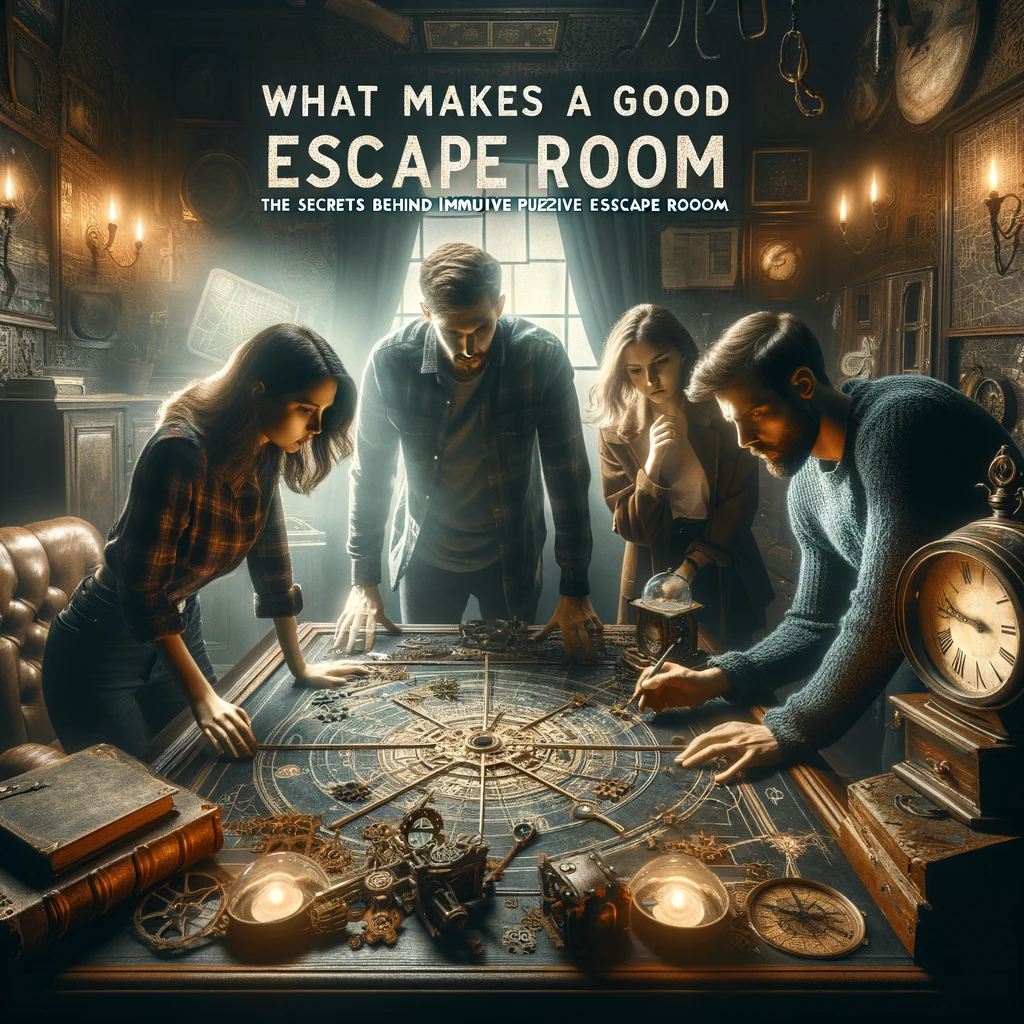
- Player Engagement: Keeping players invested is crucial. This can be achieved through immersive storytelling that builds a connection with the puzzle’s context. For instance, escape room experiences often feature intricate plots that resonate with themes found in movies or books, making participants feel like they are part of a real-life narrative adventure.
- Feedback Mechanisms: Helping players when they hit a wall is vital for maintaining interest. Incorporating hints or guidance not only assists in progression but also cultivates a supportive atmosphere that can lead to greater satisfaction. Game designers often embed subtle clues within the environment that players can discover without feeling overwhelmed, enhancing both the challenge and the enjoyment.
Finding the sweet spot between challenge and accessibility is essential for engaging a broad audience. Innovative methods and insights from successful designers reveal a rich tapestry of possibilities that transcend mere puzzle creation. Whether focusing on interactive mobile apps, intellectually demanding board games, or immersive escape rooms, the strategies outlined can serve as a stepping stone for budding designers and seasoned veterans alike.
In conclusion, the art of designing logical challenges hinges on understanding player psychology and delivering an experience that is both stimulating and rewarding. As the digital landscape continues to evolve, the potential for crafting engaging puzzles expands, paving the way for an exciting future in game design.
DISCOVER MORE: Click here to learn about how memory-enhancing apps impact cognitive performance
Essential Elements of Logical Challenge Design
Creating effective logical challenges necessitates a deep understanding of both the mechanics of the game and the psychology of the players. As designers dive into the intricacies of puzzle crafting, several essential elements emerge that can significantly elevate the quality and engagement of their creations. Let’s explore these crucial components that form the backbone of successful brain teasers:
- Theme and Context: Every puzzle benefits from a thematic backdrop that can anchor the player’s experience. Whether it’s a fantastical world filled with mystical beings or a gritty detective narrative, the context allows players to immerse themselves fully. Designers can draw inspiration from popular culture, literature, or historical events to create a thematic structure that resonates with audiences. Consider how “Clue” engages players not merely through the mystery but by embedding that mystery within a narrative of intrigue and suspicion.
- Logical Coherence: A puzzle must operate under clear logical principles that guide players toward a solution. Logical coherence ensures that participants can trace their thought processes and arrive at conclusions based on the clues provided. An example of this can be seen in classic games like Sudoku, where specific rules govern the placement of numbers. In contrast, a poorly constructed puzzle that lacks logical consistency can lead to frustration and disengagement.
- Iterative Feedback: Offering immediate feedback upon interaction is a key aspect of good game design. Players thrive on knowing that their actions matter. When designers incorporate visual or auditory cues that respond to players’ choices, it fosters an engaging loop of trial and error. For instance, receiving a subtle sound or visual indicator when a player makes a correct move can motivate them to continue exploring while instilling a sense of accomplishment.
- Social Interaction: Modern puzzle games increasingly leverage social dynamics to enhance player involvement. Incorporating elements such as competitive leaderboards, collaborative challenges, or even social sharing features creates a community atmosphere that brings about a shared experience. Classic examples like “Words With Friends” illustrate how social interaction amplifies engagement as players challenge each other while taking turns guessing words.
Ultimately, the fusion of these essential elements leads to the creation of logical challenges that not only test the players’ intellect but also provide a rich narrative experience. Puzzles that contain well-defined themes, logical frameworks, responsive feedback, and social engagement can create an unforgettable and immersive journey for players.
As designers continue to innovate in the realm of logical challenges, embracing these fundamental aspects builds a solid foundation for crafting experiences that are both meaningful and memorable. Understanding how these components intertwine can lead to the creation of truly captivating puzzles that resonate with a diverse audience, ensuring their evolution remains aligned with the demands of the modern gaming landscape.
The Importance of Logical Challenges in Game and Puzzle Design
Creating logical challenges involves a meticulous balance of complexity and engagement. The essence of effective game and puzzle design lies in understanding the psychology of players. Designers must ask themselves, “What makes a puzzle stimulating yet solvable?” By incorporating elements that challenge players’ thinking patterns, designers can elevate the gaming experience. One critical aspect is to tailor challenges that require players to think critically. Optimal logical challenges often involve the combination of various thinking skills, such as deduction, pattern recognition, and lateral thinking. For example, incorporating riddles or traps that necessitate a different perspective can enhance players’ enjoyment. As they navigate through increasingly difficult levels, players feel a profound sense of achievement upon successfully solving these challenges.Another significant aspect of design revolves around the introduction of layers in puzzles. Designers should consider adding multiple solutions or paths that lead to success. This approach not only prolongs engagement but also invites players to explore and experiment, fostering creativity. Particularly in a world saturated with games and puzzles, this unique offering could distinguish a designer’s work from competitors. Players are more likely to return to a game that continuously presents new logical challenges, enticing them to tackle the next problem.Moreover, designers should utilize feedback systems to gauge player interaction with challenges. Through playtesting and player feedback, it becomes essential to refine challenges for clarity and difficulty. Logical challenges should provide moments of epiphany or ‘aha!’ experiences, allowing players to feel smart and encouraged to delve deeper into the game’s narrative.In summary, the art of creating logical challenges necessitates a deep understanding of mental engagement, player feedback, and innovative design. Game and puzzle designers who prioritize these elements are more likely to capture the interest of players, ultimately leading to lasting successes in their creations.
| Category | Features and Benefits |
|---|---|
| Critical Thinking | Engaging puzzles enhance players’ decision-making abilities. |
| Multi-layered Challenges | Fosters creative problem-solving and keeps players interested longer. |
Logical challenges are indispensable to game and puzzle design, offering players a profound experience that stimulates mental acuity. Designers should strive for innovation and responsiveness, tailoring their creations to meet player expectations and preferences.
LEARN MORE: Click here to discover how memory-enhancing apps can boost your cognitive performance
Crafting Engaging Challenges Through Design Techniques
Beyond the foundational elements of logical challenge design lies a rich tapestry of techniques that game and puzzle designers can harness to create unparalleled experiences. Mastering these design methods not only enhances player satisfaction but also makes puzzling a more communal and enjoyable endeavor. Let’s delve into these innovative techniques that can augment the artistry behind logical challenges:
- Progressive Difficulty: Striking the right balance of challenge is paramount. Successful puzzles often employ a progressive difficulty curve, where players are initially introduced to simpler problems that gradually increase in complexity. This gradual layering of challenges not only builds confidence but also maintains player engagement by ensuring that no single challenge feels insurmountable. Games like “Portal” effectively use this technique by introducing mechanics in a controlled environment before escalating to more intricate levels.
- Visual Design and Clarity: The aesthetic presentation of a puzzle can greatly influence its perceived difficulty. Clear, intuitive visuals allow players to focus on the problem-solving aspect rather than struggling to interpret the challenge itself. Using color contrast, layout organization, and effective use of icons can help guide players through the logical paths. Consider the impact of games like “Baba Is You,” where the clever and simple design directly contributes to the engaging nature of the puzzles, allowing players to manipulate game rules visually.
- Layered Solutions: Versatility in puzzle-solving can greatly enhance the appeal of a logical challenge. By designing puzzles that allow for multiple solutions, designers empower players to approach challenges using their unique reasoning styles. This enhances replayability and encourages creative thinking. An iconic example can be seen in “The Witness,” where players can interact with the environment in various ways, leading to different pathways and discoveries.
- Contextual Clues: The placement of clues within the game’s environment requires a delicate touch to ensure they are neither too obvious nor too obscure. Effective clues should feel organic within the puzzle’s context, prompting players to make connections without explicit direction. Designers can create adjacent puzzles that subtly foreshadow subsequent challenges, much like the interconnected worlds of “Zelda,” where solving one challenge may hint at another puzzle nearby.
- Engaging Narrative: A compelling narrative can elevate a great puzzle into an unforgettable experience. When players are motivated by a story, they become more invested in the challenges presented. Designers can weave plots that necessitate problem-solving, encouraging players to feel they are part of a larger adventure. For instance, games like “The Talos Principle” combine philosophical narrative with logical problem-solving, prompting players to ponder deeper meanings while navigating through intricately crafted puzzles.
These techniques not only enrich the puzzle-solving experience but also contribute to a cohesive design that can captivate players. By employing progressive difficulty, enhancing visual clarity, offering layered solutions, embedding contextual clues, and integrating engaging narratives, designers can create logical challenges that resonate deeply with their audience. The blend of these strategies proves vital in shaping memorable experiences, inviting players to return time and again to tackle the intrigue of new challenges.
DIVE DEEPER: Click here to uncover more insights
Conclusion: Mastering the Art of Logical Challenge Design
In the ever-evolving landscape of game and puzzle design, the creation of logical challenges stands as a testament to the innovative spirit that drives the industry. Designers are tasked not only with crafting obstacles but with constructing immersive experiences that resonate with players on cognitive and emotional levels. As we explored, employing techniques such as progressive difficulty, visual clarity, and layered solutions can significantly elevate the player’s journey, making it both challenging and rewarding.
The integration of contextual clues and compelling narratives adds depth, transforming simple puzzles into adventures that players are eager to embark upon. These elements foster an environment where critical thinking flourishes, and creativity thrives. Understanding the intricacies of how players interact with challenges can lead to a deeper appreciation of the design process, and ultimately contribute to the creation of more engaging and memorable experiences.
As game and puzzle designers continue to innovate, embracing these principles will be crucial. By pushing the boundaries of traditional design and continuously exploring new avenues for challenge creation, designers can not only capture the attention of players but also forge lasting connections through shared problem-solving experiences. As we look ahead, the potential for logical challenges in both gaming and educational contexts remains vast, encouraging a continuous journey of discovery for designers and players alike. In the art of logical challenge creation, the only limit is the imagination—inviting everyone to embark on a quest of endless possibilities.
Related posts:
Logical Challenges and Neuroscience: The Impact of Puzzles on Brain Development
Exploring Logic: Reasoning Challenges That Stimulate the Mind
The Influence of Technology on Logic Games: Apps and Platforms that Transform Reasoning
The Evolution of Logical Challenges: From Antiquity to Modern Virtual Games
Group Logic Challenges: How to Work as a Team to Solve Complex Puzzles
Logical Challenges in Pop Culture: How Movies and Series Incorporate Reasoning Games

Linda Carter is a writer and puzzle expert specializing in mind games, brain teasers, and cognitive challenges. With extensive experience helping individuals enhance their problem-solving skills and think critically, Linda shares her knowledge on our platform. Her goal is to empower readers with practical advice, engaging puzzles, and strategies to sharpen their minds and achieve success in the captivating world of mind games and puzzles.