Puzzles as a Tool for Cognitive Flexibility: Strategies for Improving Problem-Solving Skills
Unlocking the Mind with Puzzles
Puzzles have long been celebrated not just for entertainment but also for their potential to enhance mental agility. As the world becomes increasingly complex, the ability to adapt and solve problems creatively is more crucial than ever. Utilizing puzzles as a strategic tool can significantly improve cognitive flexibility, paving the way for innovative thinking and effective problem-solving.
The Benefits of Puzzles
Engaging with puzzles offers numerous cognitive benefits that can enrich one’s mental landscape. For starters, they contribute to enhanced critical thinking. Solving puzzles requires individuals to analyze information, think logically, and make decisions based on incomplete data. This process mirrors real-world problem-solving, where individuals must often sift through information and draw conclusions. For example, a recent study published in a cognitive psychology journal found that adults who regularly engage with puzzles displayed improved critical thinking skills compared to those who do not.
In addition to critical thinking, puzzles can lead to improved memory. Regular puzzle-solving can boost both short-term and long-term memory retention and recall. Neuroscientific research indicates that engaging in activities that challenge the brain can form new neural connections and strengthen existing ones. When you work on a jigsaw puzzle, for instance, remembering where specific pieces fit can enhance spatial memory and recognition skills. This can be particularly beneficial as one ages, potentially delaying cognitive decline.
Moreover, increased focus is another notable benefit. Concentrating on solving complex puzzles can sharpen attention spans, which is especially important in today’s digital world where distractions abound. The act of focusing intently on a challenge trains the brain to resist distractions, leading to better concentration in daily tasks such as studying or working on projects.
Types of Puzzles to Explore
A variety of puzzles can cater to different preferences and skills, making them accessible to everyone. Among the most popular are jigsaw puzzles, which promote spatial awareness and problem-solving strategies. Research shows that assembling a jigsaw puzzle can help develop a person’s ability to visualize and manipulate shapes in their mind, skills that are applicable in fields like architecture and engineering.
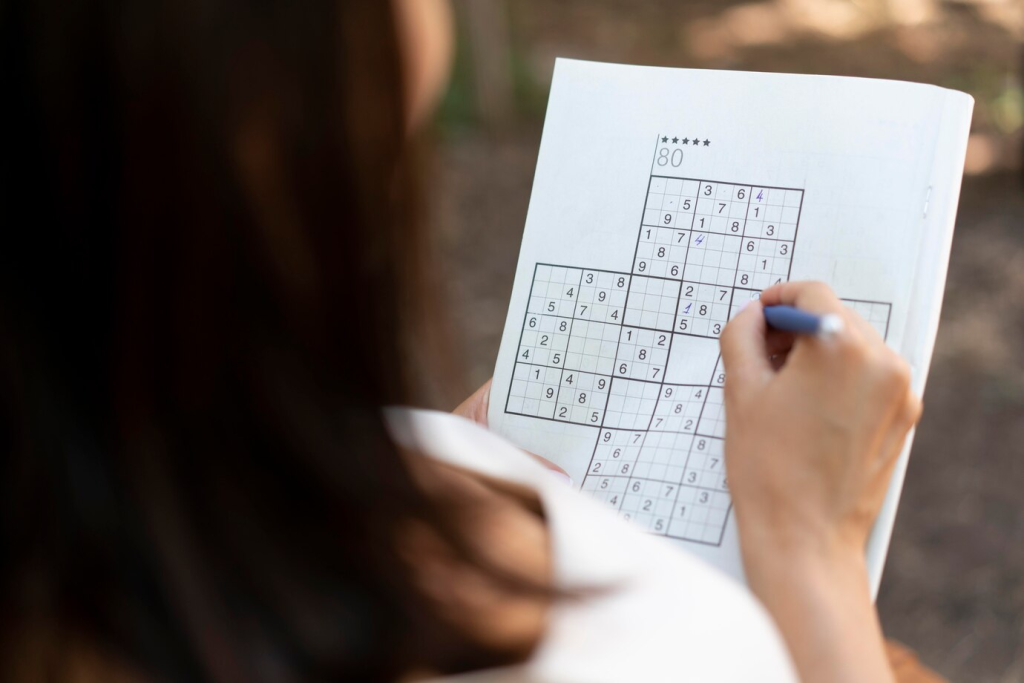
Logic puzzles are another great option, as they encourage critical reasoning and deduction skills. These puzzles often require individuals to think outside the box and can range from classic brain teasers to more complex scenarios. Engaging in these challenges not only sharpens analytical skills but also boosts confidence in one’s ability to tackle tough problems.
Lastly, crossword puzzles hold their own unique charm, expanding vocabulary while enhancing verbal reasoning. They are an excellent tool for language development, especially for students or adults looking to refine their linguistic skills. Moreover, they often include cultural references that keep solvers connected to current events, making them a rich source of both entertainment and education.
By incorporating these activities into daily routines, individuals can not only entertain themselves but also develop essential skills. The next time you’re searching for a way to unwind or challenge your mind, consider picking up a puzzle. Discover how engaging with puzzles can transform your approach to challenges in both personal and professional contexts. Whether you prefer solitary enjoyment or collaborative problem-solving, the benefits of puzzles are countless and waiting to be explored.
DISCOVER MORE: Click here to dive deeper
Strategies to Enhance Problem Solving Through Puzzles
As we delve into the world of puzzles, it becomes clear that these engaging activities are not just diversions but powerful tools for cultivating cognitive flexibility. This essential mental skill is the capacity to switch between thinking about different concepts or to think about multiple concepts simultaneously. Puzzles provide a unique platform to exercise and improve this ability, fostering not only enjoyment but also a skill set crucial for navigating daily challenges.
Active Engagement Through Diverse Puzzles
A key strategy to enhance problem-solving skills through puzzles is actively engaging with a variety of puzzle types. Each puzzle genre offers a distinct approach to thinking and problem-solving. Incorporating different types can create a comprehensive workout for the brain. Here are a few categories to consider:
- Spatial Puzzles: Activities like jigsaw puzzles, which require visualization and spatial reasoning, help develop the brain’s ability to manipulate shapes and understand spatial relationships. Studies show that participants can improve their ability to solve complex spatial problems—the kind often encountered in engineering and design fields—by routinely practicing with jigsaw puzzles.
- Logic Puzzles: Crossword puzzles and Sudoku are exemplary logic puzzles that require deductive reasoning and pattern recognition. Engaging with these types of puzzles facilitates analytical thinking, allowing individuals to draw connections and conclusions from limited information often found in real-world scenarios.
- Word Puzzles: Such as crosswords and word searches not only enhance vocabulary but also develop verbal reasoning and comprehension skills. These capabilities are essential in academic settings and can improve one’s ability to communicate effectively.
By diversifying the types of puzzles engaged with, individuals can effectively challenge different cognitive skills, which promotes cognitive flexibility. This varied engagement helps to prepare the brain for unexpected situations, allowing for alternative approaches to problem-solving.
Incorporating Puzzles into Daily Routines
Making puzzle-solving a regular part of daily life can lead to lasting improvements in cognitive flexibility. Here are some actionable strategies to integrate puzzles into your routine:
- Set Aside Dedicated Time: Designate specific times for puzzle-solving, be it during a lunch break or before bed, to establish a consistent practice.
- Join Puzzle Groups: Engaging with others can bring in a social element that makes problem-solving more enjoyable and encourages collaborative thinking.
- Challenge Yourself: Opt for progressively more difficult puzzles to continuously push your limits and adapt to new problem-solving scenarios.
These strategies not only promote a habit of engaging with puzzles but also contribute significantly to improving overall problem-solving skills. By consistently enriching your mind with these engaging challenges, you can strengthen your cognitive agility, preparing you for the complex challenges of life.
Puzzles as a Tool for Cognitive Flexibility: Strategies for Improving Problem-Solving Skills
Puzzles have long been celebrated not just as a pastime, but as effective tools for enhancing cognitive flexibility and problem-solving capabilities. Engaging with puzzles—whether they are jigsaw puzzles, crosswords, or Sudoku—encourages the brain to adapt to new challenges and think in diverse ways. The diverse approaches required to solve various types of puzzles promote the development of a flexible mindset.
The Science Behind Cognitive Flexibility
Numerous studies underline the positive correlation between puzzle-solving and cognitive flexibility. Research indicates that completing puzzles can enhance the brain’s ability to switch between tasks efficiently, a key component of cognitive flexibility. Exposure to different types of puzzles also allows individuals to develop multiple strategies for approaching problems, ensuring that they are not rigid in their thinking.
| Advantages | Description |
|---|---|
| Enhanced Problem-Solving Skills | Engagement with puzzles forces the brain to develop and implement various strategies. |
| Improved Cognitive Flexibility | Solving different puzzles trains the brain to adapt and switch between tasks seamlessly. |
Through consistent practice, individuals can see a remarkable improvement in their ability to approach problems flexibly and creatively. Furthermore, puzzles foster a sense of achievement when completed, which can boost confidence in one’s problem-solving abilities. Investigating varied puzzle formats can open new avenues for enhancing cognitive skills, providing unique benefits for both personal growth and professional development.Embracing such cognitive activities in daily routines can enrich our mental agility, ultimately leading to enhanced problem-solving capabilities in various contexts. The role that puzzles play in this transformation is profound, serving not only as a delightful distraction but as a key component in building a more adaptable mind ready for life’s complexities.
DISCOVER MORE: Click here to unlock the secrets of brain teasers
Gamification and Puzzles: Merging Fun with Function
Another innovative strategy to leverage puzzles for enhancing problem-solving skills is through gamification. By transforming puzzle-solving into a game-like experience, individuals can boost motivation, engagement, and cognitive flexibility. This method not only makes the activity enjoyable but also adds elements of challenge and competition that stimulate the brain. There are several ways to gamify puzzle solving:
- Time Trials: Set a timer while solving puzzles, challenging yourself to improve your speed with each attempt. This creates a sense of urgency that can enhance focus and adaptability while honing your ability to think on your feet.
- Leaderboard Participation: Participate in online puzzle competitions where scores are tracked and compared. Engaging with a community not only motivates individuals through healthy competition but encourages the sharing of diverse problem-solving techniques.
- Reward Systems: Establish personal rewards for achieving specific puzzle-solving milestones, such as completing a particularly challenging puzzle. This strategy reinforces positive behaviors and makes the experience continually rewarding.
Gamification encourages individuals to experiment with various solving strategies and mental approaches, nurturing a versatile mindset that is beneficial in both personal and professional situations.
Social Connections through Collaborative Puzzles
Collaboration is another critical aspect of enhancing cognitive flexibility through puzzles. While solving puzzles alone can be beneficial, involving others can expose individuals to different perspectives and problem-solving approaches. Here are ways to integrate social elements into your puzzle-solving routine:
- Family Puzzle Nights: Organizing weekly puzzle challenges with family or friends can create a supportive environment where participants share ideas and strategies, ultimately fostering a more dynamic problem-solving landscape.
- Online Puzzle Forums: Join online platforms where puzzle enthusiasts come together to discuss strategies and share new puzzles. Engaging in conversations about different solving techniques can deepen understanding and enhance flexibility.
- Escape Rooms: Take your puzzle-solving skills to a new level by participating in escape rooms. These collaborative environments require teamwork and innovative thinking, leveraging a host of skills from communication to creative problem-solving.
Collaborative puzzle-solving introduces individuals to diverse thinking styles, enabling them to adapt their methods and come up with innovative solutions to challenges they may face in everyday life.
Technological Tools: Puzzles at Your Fingertips
In the digital age, technology has greatly expanded access to puzzles. Numerous apps and online platforms offer a plethora of puzzles, each with customizable difficulty levels. Utilizing these tools can provide a structured approach to improving cognitive flexibility:
- Puzzle Apps: Applications like Puzzle Page or Elevate not only offer a variety of puzzles from logic to word games but also track progress over time, allowing for a better understanding of personal growth in solving skills.
- Virtual Reality (VR) Puzzles: Embracing cutting-edge technology such as VR can immerse individuals in 3D puzzle environments, providing unique challenges that require spatial reasoning and innovative problem-solving.
- Online Courses: Platforms offering courses on critical and creative thinking often include puzzle-solving modules that hone cognitive flexibility in a structured environment.
By incorporating these technological tools, individuals can personalize their puzzle-solving experiences, ensuring continuous cognitive challenges and skill development.
DIVE DEEPER: Click here to uncover the secrets of code-breaking
Conclusion: Embracing Puzzles for Enhanced Cognitive Flexibility
In our fast-paced world, cognitive flexibility has emerged as a crucial skill, enabling individuals to navigate complex challenges with ease and adaptability. Puzzles, often viewed as mere entertainment, are in fact powerful tools for cultivating this essential capacity. Through various strategies, including gamification, collaboration, and technology, individuals can unlock new levels of problem-solving prowess.
The process of solving puzzles encourages an experimental mindset, essential for adaptability in both personal and professional settings. Engaging in friendly competitions or collaborating with others enriches the experience, exposing participants to diverse problem-solving techniques that facilitate creative thinking. Additionally, leveraging technological advancements offers tailored challenge opportunities that keep individuals engaged and motivated in their cognitive growth.
Ultimately, the journey towards improved problem-solving skills through puzzles is not just about reaching the solution but rather embracing the process of thinking differently. As individuals incorporate these methods into their daily routines, they discover that puzzles are more than just games; they are pathways to becoming more effective thinkers and adaptable problem-solvers. Therefore, whether through traditional jigsaw puzzles or modern digital challenges, embracing the art of puzzling is a rewarding investment in one’s cognitive development. So pick up a puzzle today, and watch as your problem-solving skills flourish.
Related posts:
Analyzing the Impact of Logic Puzzles on Critical Thinking Skills
The Role of Crosswords in Stimulating Language Skills and Cognitive Development
How Visual-Spatial Games Enhance Cognitive Development in Children
The Impact of Cognitive Training Games on Memory Retention
Exploring the Effectiveness of Brain Teasers in Boosting Mental Agility
The Benefits of Memory Games in Strengthening Recall Abilities

Linda Carter is a writer and puzzle expert specializing in mind games, brain teasers, and cognitive challenges. With extensive experience helping individuals enhance their problem-solving skills and think critically, Linda shares her knowledge on our platform. Her goal is to empower readers with practical advice, engaging puzzles, and strategies to sharpen their minds and achieve success in the captivating world of mind games and puzzles.