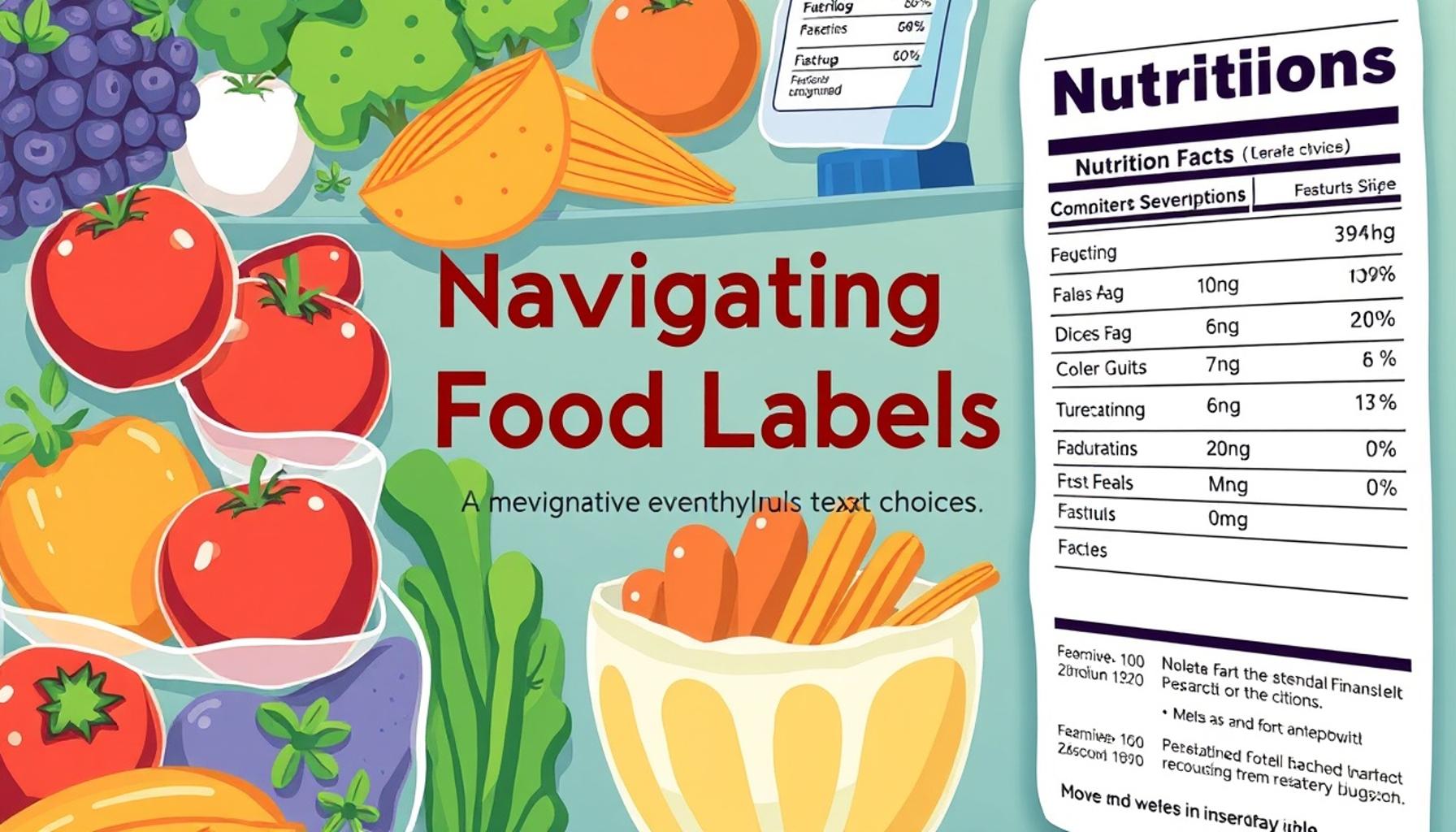
Navigating Food Labels: Understanding Nutrition Facts for Better Choices
Understanding the Anatomy of Food Labels
Food labels can often feel overwhelming, packed with jargon and unfamiliar terms. However, understanding these nutrition facts is crucial for making informed choices. With just a little knowledge, you can turn these labels into valuable tools for a healthier lifestyle.
The importance of decoding food labels cannot be overstated. With nutritional information clearly presented, you can make better choices that suit your needs and lifestyle. But what exactly should you be looking for?
Healthy Eating
Knowing what’s in your food allows you to choose products that align with your dietary needs. For instance, if you are trying to cut down on sugar, you can examine the total sugars and added sugars sections on the label. A product may look healthy, but upon further inspection, it could contain excessive amounts of sugar. By becoming familiar with these categories, you can prioritize whole, nutrient-dense foods over processed items that may seem appealing at first glance.
Allergy Awareness
For individuals with food sensitivities, labels are crucial for identifying potential allergens. The U.S. Food and Drug Administration (FDA) mandates that common allergens such as peanuts, tree nuts, dairy, eggs, fish, shellfish, soy, and wheat be clearly labeled. This transparency helps consumers avoid severe allergic reactions, making life a little safer for those with specific dietary restrictions. Checking for the Contains statement can quickly guide you to products that are safe for you or your family.
Portion Control
Understanding serving sizes can prevent overeating and promote a balanced diet. The serving size listed on the label indicates how much of the product is typically consumed at one time. It’s essential to note that many packaged foods contain multiple servings per container. For example, a bag of chips may seem harmless at first, but if the serving size is just 10 chips, and you eat the entire bag, you could easily consume several times the recommended caloric intake. By being mindful of serving sizes, you can maintain better control over your overall caloric consumption.
In the United States, food manufacturers are required to provide specific information, making it easier for consumers to navigate their options. From calories to nutritional values, every detail contributes to the complete picture of what you’re consuming. Nutrients like fiber, protein, and healthy fats are often essential for a balanced diet and understanding their presence can assist in crafting meals that keep you satisfied and energized.
Ready to dive deeper? This guide will equip you with the expertise to interpret food labels effectively. By familiarizing yourself with the information displayed on packaging, you’ll discover how to take control of your diet and make better choices with every meal. The insights gained from reading labels can lead to healthier eating habits, ultimately impacting your well-being for the better. So the next time you pick up a product, take a moment to engage with its label – it could be one of the most beneficial decisions you make for your health.
DISCOVER MORE: Click here to learn about the connection between sleep and emotional well-being
Decoding Nutritional Information on Labels
Navigating the world of food labels can feel like deciphering a foreign language, but it’s one worth mastering. At the heart of nutrition facts lies a wealth of information that can empower you to make healthier choices. By breaking down the core components found on food labels, you can better understand what you’re putting into your body.
The Nutritional Breakdown
The Nutrition Facts panel is mandatory on most packaged food in the United States and contains several key pieces of information that can help guide your dietary decisions. This panel typically includes:
- Calories: Indicates the amount of energy provided per serving, essential for managing your daily energy intake.
- Total Fat: Lists the overall fat content, including further breakdowns into saturated and trans fats, helping you understand the type of fats you are consuming.
- Cholesterol: Important for heart health, knowing the cholesterol content can help you monitor your intake, especially if you have specific dietary recommendations.
- Sodium: High sodium consumption is linked to health risks like hypertension, making it crucial to know the sodium levels in your foods.
- Total Carbohydrates: Includes both sugars and fibers, allowing you to assess carbohydrate quality and quantity in your diet.
- Protein: An essential nutrient for muscle repair and maintenance, the protein content informs you about its role in your meal.
- Vitamins and Minerals: Labels often highlight critical nutrients such as vitamin D, calcium, iron, and potassium, essential for various bodily functions.
Understanding these components not only helps you evaluate individual foods but also aids in planning balanced meals to meet your overall nutritional goals. For instance, while a product may be low in calories, it might also lack essential nutrients needed for a well-rounded diet. A mindful approach to food labels enables you to select options that truly benefit your health.
What’s in a Serving?
Another crucial aspect of food labels is the serving size. This measurement plays a significant role in interpreting the nutritional information presented. For example, if the label states that a serving size is 1 cup but you instinctively pour 2 cups into your bowl, you could double your caloric intake and misjudge other nutrients as well. It’s essential to recognize how many servings are in a package to avert potential excesses that could derail your nutritional efforts.
Additionally, gaining insight into the concept of serving sizes and how they relate to your dietary objectives can enhance your understanding of what constitutes a balanced meal. Manufacturers sometimes decrease serving sizes to make their product appear healthier; thus, it’s crucial to interpret these figures thoughtfully.
By putting the time into understanding nutrition labels, you become an informed consumer. You open the door to a deeper awareness of what is on your plate, which can translate into improved eating habits and better health outcomes. Next, let’s explore how to utilize these labels effectively to enhance your grocery shopping experience.
Navigating Food Labels: Understanding Nutrition Facts for Better Choices
To make informed dietary choices, understanding food labels is crucial. Food labels provide essential information about the nutritional content of products, helping consumers make healthier choices. By analyzing these labels, one can decipher the amount of calories, fats, carbohydrates, sugars, and proteins contained in a serving, allowing for greater control over dietary intake.
Moreover, food labels also include detailed information about vitamins and minerals, which are fundamental to maintaining a balanced diet. For instance, labels highlight significant vitamins like Vitamin D, which supports bone health, and iron, necessary for blood production. By paying attention to these details on food labels, you can identify products that not only contribute to your nutritional needs but also avoid those that may be laden with harmful additives.
One intriguing aspect of food labels is the serving size information. Many consumers overlook this key detail, which can lead to unintentional overeating. Understanding the serving sizes indicated can help establish a clearer picture of actual consumption and guide portion control. This is particularly vital for those who are managing their weight or looking to optimize their overall health.
In the next segment, we will explore a detailed analysis of a food label, illustrating the real-world applications of this knowledge. To further assist in your journey of understanding nutrition facts, we present a concise table highlighting the significant advantages of harnessing information from food labels.
| Advantage | Details |
|---|---|
| Informed Choices | Food labels help you identify nutritional content, promoting better dietary decisions. |
| Balanced Diet | Highlight crucial vitamins and minerals to ensure you meet daily nutrient requirements. |
By grasping the concepts presented through food labels, individuals can significantly improve their dietary habits, leading to healthier lifestyles and enhanced overall well-being.
DISCOVER MORE: Click here to learn about mastering serving sizes
Identifying Key Ingredients and Claims
Beyond the Nutrition Facts panel, the ingredients list provides a deeper look at what’s truly in the food you are considering. Ingredients are listed in descending order by weight, meaning the first few items make up the majority of the product. A quick glance can reveal a lot: if the top ingredient is whole grain, you’re likely looking at a healthier option. If sugar or high-fructose corn syrup leads the list, it might be time to think twice. Understanding this hierarchy of ingredients allows you to differentiate between genuinely nutritious foods and those filled with additives or fillers.
Spotting Added Sugars
In recent years, there has been a growing awareness about added sugars and their impact on health. The American Heart Association recommends limiting added sugar intake to no more than 6 teaspoons for women and 9 teaspoons for men per day. When scanning the label, make sure to check for terms like glucose, fructose, sucrose, or even concentrated fruit juice, all of which contribute to your overall sugar intake. By becoming adept at spotting these ingredients, you can significantly reduce the risk of health issues associated with high sugar consumption, including obesity and diabetes.
Deciphering Health Claims
Food manufacturers often leverage health claims to attract consumers, such as “low-fat,” “gluten-free,” or “high in protein.” However, these claims can be misleading. For instance, a product labeled as “low-fat” may compensate for the lack of fat with added sugars or artificial flavors. Understanding the context of these claims can help you navigate through marketing tactics and focus instead on the actual nutritional content. The FDA regulates some claims, ensuring that they meet particular criteria, while others are more ambiguous. It’s beneficial to differentiate between those regulated claims and general advertising phrases that may lack true nutritional significance.
Understanding “Whole Grain” and Other Buzzwords
The term “whole grain” often appears prominently on packaging, but it’s crucial to check the ingredients list for actual whole grains rather than refined grains. The Whole Grains Council has set criteria to help consumers identify genuine whole grain products, thus allowing for easier recognition of healthier options. In addition, stay cautious of buzzwords like “all-natural” or “antibiotic-free” which may not have standardized definitions. Not all natural foods are necessarily healthy, and some may carry the same caloric burden as their more processed counterparts. Understanding what each term genuinely means can shield you from misinformation and assist you in making informed choices.
As you familiarize yourself with food labels, you’ll discover that they are not just tools for compliance, but rather beneficial resources for navigating the complex landscape of food choices. Recognizing the real value of the Nutritional Facts panel, ingredients list, and marketing claims can empower your grocery shopping experience and ultimately lead to healthier lifestyle modifications.
DISCOVER MORE: Click here to learn how creative hobbies can enhance your emotional well-being
Conclusion: Empowering Your Food Decisions
In a world where food options are abundant and often misleading, mastering the art of navigating food labels is essential for making informed choices that benefit your health. Understanding the Nutrition Facts panel and ingredients list can unveil the true nutritional value of your food. As we’ve explored, this knowledge empowers you to identify key ingredients, spot added sugars, and decode health claims, allowing you to separate fact from marketing fluff. By honing these skills, you are better equipped to select products that align with your dietary goals and overall wellbeing.
Moreover, becoming familiar with terms like whole grain and scrutinizing labels for ambiguous claims can significantly impact your nutritional intake. As consumers in the United States, it’s crucial to recognize that not all health claims are created equal, making it vital to remain vigilant and informed. Investing time in reading food labels not only enhances your understanding of what you’re consuming but also encourages better eating habits that can lead to long-lasting health benefits.
Ultimately, navigating food labels is a journey of empowerment and awareness. Each trip to the grocery store becomes not just a shopping experience but a chance to advocate for your health by making better choices. As you explore this intricate world of nutrition, embrace the challenge and take control of your dietary decisions. Your body will thank you for it.
Related posts:
Meal Prepping for Success: How to Plan Nutritious Meals Ahead of Time
Healthy Snacking: Choosing Nutrient-Dense Options to Fuel Your Day
Understanding Macronutrients: Balancing Proteins, Fats, and Carbohydrates for a Healthier Diet
The Importance of Hydration: Tips for Staying Well-Hydrated
The Role of Fiber: How to Increase Your Intake for Digestive Health
Portion Control: Mastering Serving Sizes for a Balanced Diet

Beatriz Johnson is a seasoned puzzle enthusiast and writer with a passion for unraveling the complexities of mind games and brain teasers. With over a decade of experience in the world of puzzles, she specializes in topics like logic games, riddles, and strategic challenges. Through her work, Beatriz empowers readers to sharpen their problem-solving skills, think creatively, and stay engaged in the ever-evolving landscape of mind games and puzzles.