Understanding Task Management in a Technological Era
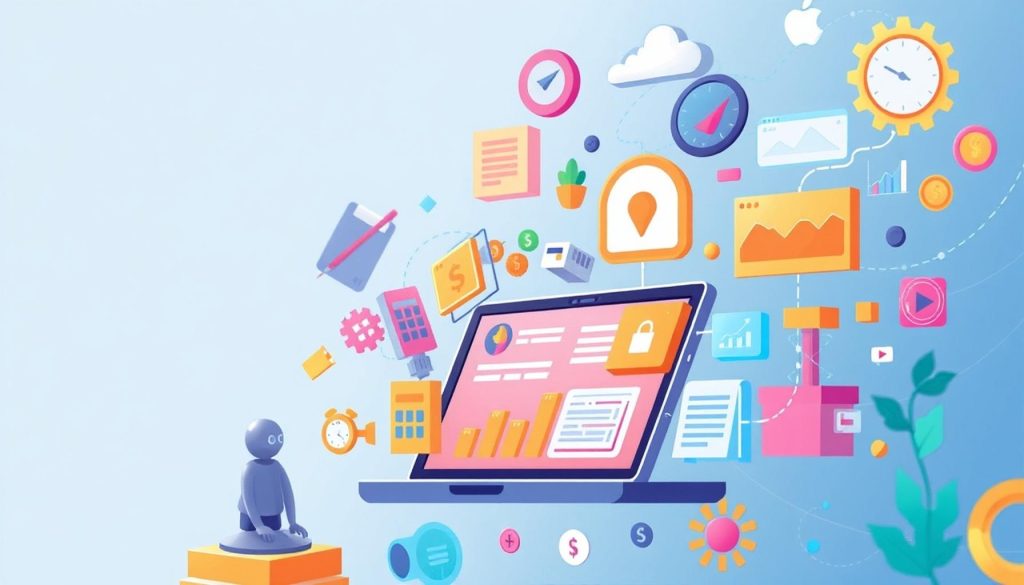
In an era defined by technological advancements, the way we manage our tasks and responsibilities has evolved dramatically. Traditional methods of maintaining lists on paper or in our minds can no longer keep up with the complexities of modern life. As we navigate through various commitments, whether they be personal projects, professional responsibilities, or academic endeavors, integrating technology into our daily routines has become not just beneficial but essential. Through the use of effective apps and tools, individuals can streamline their processes, leading to heightened productivity and less stress.
The features available in task management applications provide significant advantages that cater to different work styles and preferences. One key feature is customizable task lists, which allows users to create categories according to their specific needs. For example, a student might want separate lists for homework, extracurricular activities, and social events, enabling them to focus on immediate priorities. This level of customization ensures that users are not overwhelmed by a generic list that fails to represent their unique circumstances.
Another invaluable feature is deadline reminders. With our busy schedules, it’s easy to lose track of time and let important deadlines slip away unnoticed. Many of these apps offer notifications directly to smartphones or computers, serving as gentle nudges to help users stay on track with their commitments. For instance, using Todoist, a user can set reminders not only for tasks due today but also for laundry that needs to be done next week, ensuring nothing falls through the cracks of daily life.
Furthermore, collaboration tools are vital for individuals working in teams or with others. With applications like Asana, team members can share tasks, assign roles, and monitor project progress in real-time, paving the way for a unified work environment. This is particularly useful in professional settings where multiple stakeholders are involved, enabling seamless communication and reducing the lag time often associated with traditional management methods.
Among the myriad of tools available, a few standout applications consistently receive high praise for their innovative approaches. Trello, for instance, employs a unique visual system, allowing users to transfer tasks across different boards, mimicking a physical Kanban board. This visual representation can significantly enhance how people perceive their workload. Similarly, Todoist makes organizing daily tasks straightforward with its intuitive interface, making it a go-to choice for many. Finally, Asana offers integrated capabilities for teams, making it indispensable for organizations aiming to foster collaboration and track progress efficiently.
As this technology continues to advance, staying ahead of the curve by adopting these tools can unlock new levels of efficiency in task prioritization. By tapping into the full potential of these applications, users can master the art of productivity, effortlessly navigating the intricate web of daily tasks and long-term goals. In this article, we will explore how each feature and tool can be strategically utilized to revolutionize your approach to managing tasks.
EXPLORE MORE: Click here to enhance your productivity
Leveraging Task Management Applications for Optimal Efficiency
As we delve into the world of task management applications, it’s essential to recognize how they serve as indispensable tools in prioritizing tasks and managing time efficiently. These applications not only increase productivity but also provide a structured approach to tackling daily responsibilities. With features that adapt to user preferences, finding the right app can significantly enhance productivity levels and, ultimately, the quality of work.
One of the core functionalities offered by most task management apps is the ability to create priority levels for tasks. This feature permits users to categorize their tasks based on urgency or importance, allowing for a clear visual representation of what needs immediate attention. For instance, a marketing professional might prioritize client deliverables over internal meetings, ensuring that their focus aligns with critical business objectives. As a result, integrating a priority-level system helps users manage their time more effectively and ensures that vital tasks are not overlooked.
Many applications also come equipped with time-blocking tools, which allow users to allocate specific time slots for various tasks. This practice not only enhances focus but also encourages a more disciplined approach to task management. Applications such as Google Calendar and Notion make it easy to create schedules that integrate work sessions, breaks, and even personal time. By visualizing their day, users can approach their responsibilities with intention, reducing the likelihood of burnout and procrastination.
To further enhance the user experience, many of these apps incorporate analytics and progress tracking features. By monitoring performance over time, users can identify patterns in their productivity, enabling them to make informed adjustments to their workflow. For example, a user might discover that they are most productive in the morning and can adjust their schedules to reserve complex tasks for those hours. This data-driven approach not only optimizes time management but also empowers users to work smarter rather than harder.
- Customizable task lists: Helps create specialized lists that align with individual needs.
- Collaboration features: Facilitates teamwork and increases communication among team members.
- Priority levels: Enables categorization of tasks to ensure critical items are addressed timely.
- Deadline reminders: Provides timely nudges for approaching tasks and deadlines.
- Time-tracking options: Monitors time spent on tasks for better efficiency analysis.
As users explore the landscape of task management applications, the variety of options available can be overwhelming. However, knowing the key features to look for can streamline the selection process. Each user has unique requirements, and understanding personal workflow styles will assist in finding the perfect fit for enhancing task prioritization. In the following sections, we will navigate through some popular applications that excel in their functionalities, illustrating how they can revolutionize task management for those ready to integrate technology into their routines.
| Category | Advantages |
|---|---|
| Task Management Apps | Streamlined workflows and enhanced focus through prioritization features that allow users to rank tasks efficiently. |
| Digital Collaboration Tools | Improved communication and deadline adherence as team members can discuss priorities in real-time, ensuring everyone is aligned. |
The integration of technology into task prioritization is revolutionizing productivity in both personal and professional realms. Task management apps, such as Todoist and Asana, are designed to sharply enhance how individuals and teams manage their workloads. By allowing users to assign deadlines and categorize tasks based on urgency and importance, these tools create a clear path to productivity.Moreover, digital collaboration tools, like Trello and Slack, are enhancing communication within teams. They provide platforms where team members can discuss pressing tasks and adjust priorities instantly. This adaptability is essential in dynamic work environments where priorities shift rapidly.Embracing these technologies not only enhances personal efficiency but also fosters a collaborative atmosphere, making it easier for teams to meet goals collectively. Discover how these tools can transform your approach to managing tasks and improve outcomes in your daily life.
DISCOVER: Click here to enhance your productivity
Exploring Collaboration Tools to Increase Productivity
Beyond standalone task management applications, collaboration tools play a pivotal role in enhancing task prioritization, especially for teams navigating complex projects. These platforms not only offer traditional task management features but also foster communication and collective problem-solving, making them essential for coordinated efforts in a professional setting. Engaging with these tools enables teams to align their priorities seamlessly, ensuring that all members are informed and able to contribute effectively.
One of the most powerful aspects of collaboration tools is the ability to create shared task lists. Tools like Trello and Asana permit team members to organize projects visually, using boards and cards that can be updated in real-time. This functionality allows everyone to stay on the same page regarding task assignments, deadlines, and progress updates. Imagine a marketing team working on a new campaign; with a shared Trello board, all members can see what tasks are pending, whose turn it is to take action, and how close they are to meeting their launch date. Such transparency significantly reduces the chances of tasks falling through the cracks.
Additionally, collaboration tools often feature integrated communication channels, eliminating the need to switch between multiple applications. Platforms like Slack or Microsoft Teams integrate messaging, file sharing, and video conferencing capabilities, ensuring that team members can discuss task-related matters in context. This immediate access to communication fosters quick decision-making and agile adjustments to priorities based on real-time feedback or evolving project requirements.
Another notable feature of these tools is their ability to streamline task assignment. Users can delegate responsibilities and set priority levels directly, giving clear guidance on urgency. This transparency allows team members not only to understand their roles but also to view the bigger picture of the project’s progress. For example, if an important client is waiting on a deliverable, team leads can see at a glance who is responsible for which task and its current status, enabling efficient reallocation of resources if necessary.
- Real-time updates: Ensure everyone is aware of task progress, reducing the risk of miscommunication.
- Integrated calendars: Align team schedules and deadlines directly within the collaboration tool, simplifying planning.
- File sharing: Centralizes project documentation, making it easily accessible for all team members.
- Task dependencies: Helps teams understand which tasks rely on others, aiding in prioritization and workflow management.
- Performance insights: Offers analytics that inform the team’s efficiency and identify bottlenecks to improve future workflows.
As organizations strive for agility and adaptability, the integration of collaboration tools becomes a game-changer in how teams prioritize their workload. Embracing these technologies not only enhances individual productivity but also cultivates a sense of unity among team members, driving them toward common goals. Moreover, exploring features that combine task management and collaboration can unlock new efficiencies—ensuring that no task is lost amid the daily hustle and bustle.
DISCOVER MORE: Click here to learn how to beat procrastination
Conclusion: Embracing Technology for Optimal Task Prioritization
In today’s fast-paced work environment, a strategic approach to task prioritization has never been more crucial. As we have explored, the range of apps and tools designed for this purpose not only aids individuals in managing their daily responsibilities, but also significantly boosts team collaboration and efficiency. From dedicated task management applications like Todoist to collaborative platforms such as Trello and Slack, these technologies can streamline workflows, keep teams aligned, and ensure that urgent tasks are not overlooked.
The integration of these tools allows for a seamless communication flow, real-time updates, and readily accessible resources, all of which are essential in maintaining productivity. Moreover, the ability to analyze performance and adjust priorities based on data-driven insights can transform the way teams operate, aiding in the identification of workflow bottlenecks and enhancing overall efficiency.
As organizations in the United States and around the world continue to adapt to changing dynamics, the importance of integrating technology for task prioritization cannot be overstated. The adoption of these tools cultivates a culture of accountability and coordination, empowering teams to tackle projects with clarity and purpose. By leveraging the right technology, businesses can not only enhance individual productivity but also build a cohesive unit capable of achieving shared objectives. To stay competitive and innovative in an ever-evolving landscape, organizations must consider investing in these transforming solutions, paving the way for a balanced, productive, and prioritized work environment.
Related posts:
The Role of Time Blocking in Effective Task Prioritization
Impact of Task Management Technologies on Prioritization and Personal Efficiency
The Art of Prioritizing Tasks: Effective Methods to Increase Your Productivity
The Eisenhower Matrix: A Game-Changer for Task Prioritization
Leveraging the 80/20 Rule: Maximizing Productivity Through Effective Task Prioritization
Overcoming Procrastination: Strategies for Prioritizing Tasks When Motivation Wanes

Linda Carter is a writer and productivity and personal organization specialist focused on helping readers build better routines, manage their time, and stay on top of daily priorities. With experience covering practical planning methods, habit-building strategies, and tools for organization, Linda shares actionable guidance on our platform. Her goal is to empower readers with clear, realistic tips to work smarter, reduce overwhelm, and stay consistent over time.