Exploring the Effects of Technology on Sleep Quality and Strategies for Improvement
Impact of Technology on Sleep Quality
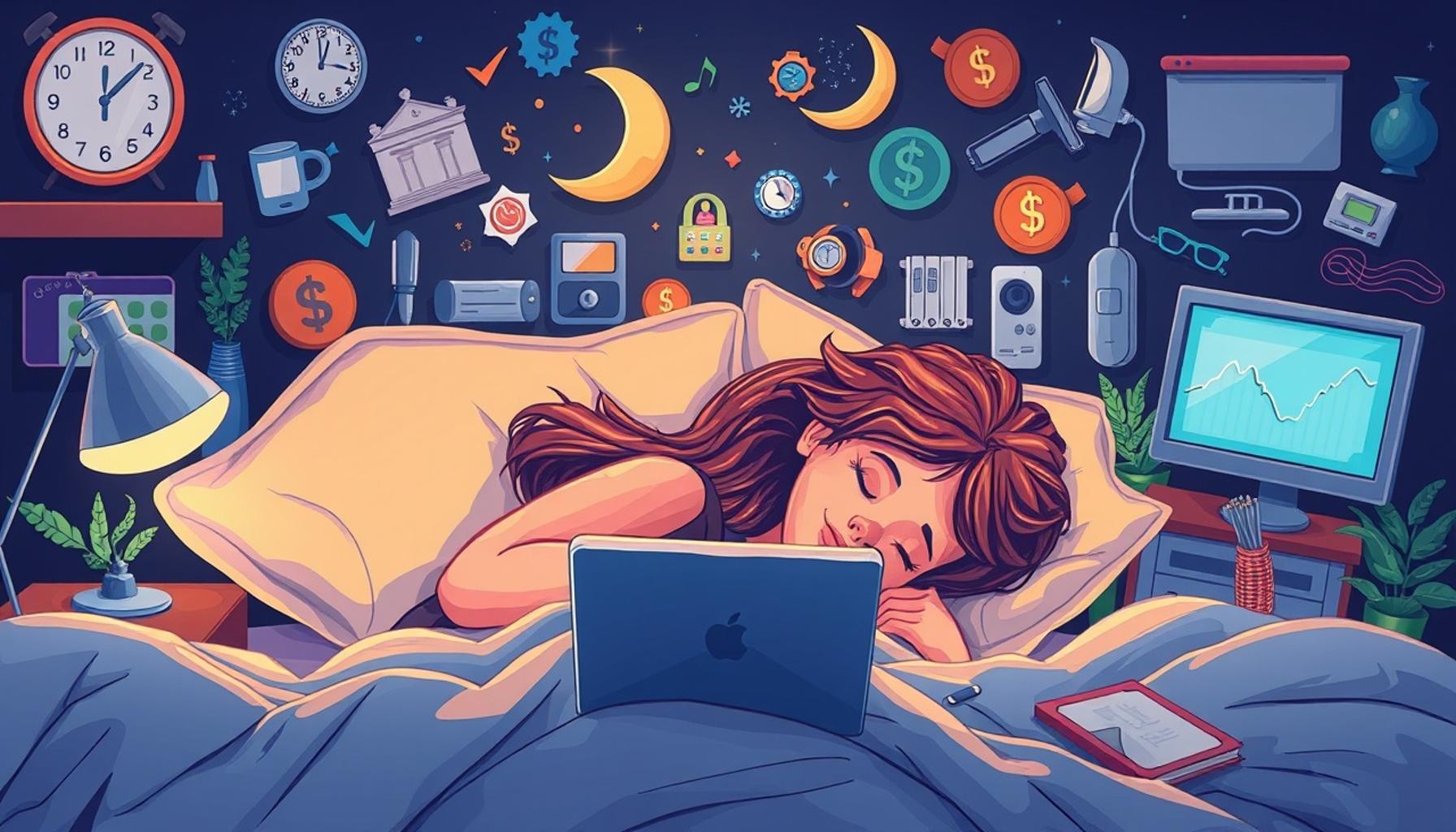
In recent years, our relationship with technology has evolved dramatically, prompting a deep dive into its effects on vital elements of our health, particularly sleep quality. A striking statistic reveals that the average American engages with technology for over 11 hours each day, highlighting the omnipresence of screens in our daily routines. This extensive use raises critical questions about how these interactions can affect our ability to achieve restful and restorative sleep.
Several key factors illustrate the complex relationship between technology and sleep:
- Screen time before bed: Engaging with screens in the hour before bed can be particularly detrimental, as it stimulates the brain and makes it harder to wind down. Whether it’s scrolling through social media, watching television, or playing video games, the intense mental engagement can delay the body’s natural urge to sleep.
- Blue light exposure: Devices emit blue light, which has been shown to suppress the production of melatonin, the hormone responsible for regulating sleep. Studies suggest that blue light can disrupt our circadian rhythms, tricking our brains into thinking it’s still daytime. This disruption can lead to a cycle of insomnia and irregular sleep patterns.
- The use of sleep tracking apps: While these tools can provide valuable insights into sleep patterns, they can also contribute to anxiety about sleep quality. Many users become fixated on the data, potentially causing stress that can negatively impact sleep, creating a paradox where technology intended to improve sleep inadvertently does the opposite.
The consequences of these technological interferences extend beyond merely feeling tired. Reports have indicated the following repercussions:
- Increased fatigue: A consistent pattern of poor sleep due to technology use can result in chronic fatigue, affecting daily life and productivity.
- Reduced cognitive function: Sleep deprivation impairs decision-making abilities and concentration, leading to diminished performance at work or school.
- Heightened stress levels: The inability to achieve quality sleep can lead to elevated stress levels, creating a vicious cycle that hampers overall well-being.
Recognizing these issues is crucial, as awareness is a powerful tool for change. By comprehending the effects that technology has on our sleep patterns, we can adopt effective strategies to improve our nightly rest. This article explores practical tips to create a healthier sleep environment, manage technology usage responsibly, and ultimately enhance overall sleep quality. Creating a balanced relationship with technology may very well lead us toward better health outcomes, guided by informed decisions and mindful practices.
DISCOVER MORE: Click here to learn about the perks of morning exercise
Understanding Technology’s Role in Sleep Disruption
As society becomes increasingly intertwined with technology, its impact on sleep quality emerges as a significant health concern. The digital age has redefined our daily routines, presenting compelling challenges in maintaining a good night’s rest. To grasp the full extent of technology’s influence, it is essential to analyze how specific modern habits affect our sleep.
Screen Time: A Double-Edged Sword
Daily screen time, especially in the evening hours, has become a common practice for many. Activities such as browsing the internet, binge-watching favorite shows, or engaging in video gaming can stimulate the brain, making it harder to transition into sleep. Research indicates that cutting back on screen time at least an hour before bedtime can markedly improve sleep quality. The National Sleep Foundation suggests adopting a “digital sunset”—the practice of turning off devices during the pre-sleep period—can help recalibrate the body’s internal clock.
Understanding Blue Light’s Impact
One of the primary culprits behind sleep disruptions caused by technology is blue light. This high-energy visible light is emitted from screens and has a notable effect on melatonin levels. Studies reveal that exposure to blue light within the hour leading up to bedtime can significantly lower melatonin production, pushing the body into a state of alertness. As a result, many individuals find it challenging to fall asleep and may experience fragmented sleep patterns. To combat this, blue light blocking glasses and the use of screen filters can provide some protection during evening device use.
The Paradox of Sleep Tracking Apps
While the advent of sleep tracking technology aims to help improve sleep quality by providing insights, it often leads to increased anxiety about sleep performance. Many users fixate on numbers and data, fostering a detrimental relationship with sleep. The pressure to achieve “perfect” sleep can lead to frustration and insomnia, illustrating a paradox where tools intended to assist actually have the opposite effect. Experts suggest that users should approach these apps mindfully, using them as reflective tools rather than strict guidelines.
Common Sleep Quality Issues Associated with Technology
The negative consequences of technology during the evening hours extend beyond difficulties in falling asleep. Recognizing these issues can help individuals understand the broader impact on their health:
- Sleep Fragmentation: Frequent notifications or late-night engagements with technology can lead to interruptions in sleep cycles, resulting in unrestful nights.
- Increased Alertness: The constant influx of information and stimulation can create a heightened state of awareness, making it harder for individuals to unwind.
- Environmental Dependencies: Overreliance on devices may alter one’s natural sleep environment, as the association of screens with relaxation can lead to a decline in sleep hygiene.
In light of these issues, it becomes increasingly essential to adopt practical strategies to enhance sleep quality in our technology-driven lives. In the following sections, we will delve into effective techniques and lifestyle changes to create a more favorable sleep environment, empowering readers to reclaim restful nights amidst the busy demands of modern technology.
Exploring the Effects of Technology on Sleep Quality and Strategies for Improvement
As we delve deeper into the realms of technology and sleep quality, it’s crucial to understand the multifaceted impact that modern innovations have on our nightly rest. The prevalence of screens in our daily lives, from smartphones to tablets and laptops, contributes significantly to disrupted sleep patterns. The blue light emitted by these devices has been shown to interfere with the natural production of melatonin, a hormone essential for regulating our sleep cycles. According to recent studies, excessive screen time before bedtime can delay sleep onset and reduce overall sleep duration, leading to chronic fatigue and impaired cognitive function.
Moreover, the constant stream of notifications and social media updates creates a psychological dependency on these devices, making it increasingly difficult for users to disconnect and unwind at night. This phenomenon is particularly prevalent among younger generations, who often prioritize virtual interactions over real-life engagement, further complicating their ability to achieve restful sleep.
Faced with these challenges, many individuals are seeking strategies for improvement that emphasize digital well-being. Simple yet effective methods such as establishing a tech curfew—ceasing the use of electronic devices at least one hour before bed—can promote healthier sleep hygiene. Another powerful strategy involves creating a sleep-friendly environment that minimizes noise and light disruptions, including the use of blackout curtains and white noise machines. Additionally, incorporating relaxation techniques such as mindfulness meditation or reading can serve to enhance the pre-sleep routine, fostering a more conducive atmosphere for sleep.
As we venture further into the exploration of how technology affects our sleep quality, it’s essential to recognize the dynamic interplay between our digital lives and our health. Understanding these effects not only empowers us to make informed choices but also shines a light on the various ways we can actively work towards improving our sleep quality in this technology-driven world.
| Technology Impact | Improvement Strategies |
|---|---|
| Blue light exposure leading to reduced melatonin levels. | Establish a tech curfew—no screens an hour before bedtime. |
| Increased screen time contributing to anxiety and disrupted sleep. | Create a sleep-friendly environment with blackout curtains. |
DISCOVER MORE: Click here to learn about maximizing your mornings
Strategies for Enhancing Sleep Quality Amidst Technological Disruptions
With the understanding of how technology can significantly disrupt sleep quality, it is vital to explore effective strategies that can counteract these effects. Adopting healthy sleep habits and creating a conducive sleeping environment are paramount in mitigating the adverse impact of technology on sleep.
Establishing a Consistent Sleep Schedule
One of the most effective strategies for improving sleep quality is to establish a consistent sleep schedule. Going to bed and waking up at the same time every day, even on weekends, helps regulate the body’s internal clock. This regularity not only fosters better sleep quality but also makes it easier to fall asleep and wake up naturally. According to research from the American Academy of Sleep Medicine, individuals who adhere to a consistent sleep schedule report feeling more alert and functional during the day.
Creating a Technology-Free Bedroom
Transforming the bedroom into a technology-free sanctuary can work wonders for sleep quality. This includes making a conscious effort to keep devices out of the bedroom. Studies show that individuals who remove distractions like smartphones and televisions report higher quality sleep. Instead, consider incorporating relaxing activities like reading a book or practicing mindfulness techniques before bed. Creating a calm environment can enhance relaxation and signal to the body that it’s time to wind down.
Utilizing Sleep-Inducing Techniques
Integrating sleep-inducing techniques into your nightly routine can significantly counteract sleep disturbances triggered by technology. Progressive muscle relaxation, deep breathing exercises, and mindfulness meditation are techniques proven to relax the mind and prepare the body for sleep. Resources like mobile apps that guide meditation can be helpful, provided they are used mindfully—aiming for a limit on screen time as bedtime approaches.
Mindful Consumption of Digital Content
When engaging with digital content, it is crucial to practice mindful consumption. This involves being aware of the types of content being consumed before bed. For instance, limiting exposure to highly stimulating content, such as intense news articles or action-packed movies, can help lower anxiety and promote a sense of calm. Instead, opting for light, calming content can provide comfort while reducing the likelihood of heightened arousal as bedtime approaches.
Investing in Sleep-Friendly Technology
For technology enthusiasts reluctant to part with their devices, investing in sleep-friendly technology can bridge the gap between digital use and sleep quality. Smart lighting that transitions from bright to soft tones and apps designed to reduce blue light emission can create an environment more conducive to sleep. Additionally, wearable devices that track sleep patterns without injecting anxiety can provide beneficial insights without undue pressure.
Implementing Sleep Hygiene Practices
In conjunction with the above strategies, maintaining good sleep hygiene is essential. This includes practices such as keeping the bedroom cool and dark, minimizing noise disruptions, and ensuring a comfortable mattress and pillows. Research indicates that a well-maintained sleep environment plays a crucial role in sleep restoration. Consider using blackout curtains, white noise machines, or aromatherapy diffusers with sleep-enhancing scents like lavender to create a peaceful sleep atmosphere.
As individuals navigate the demands of a technologically-driven lifestyle, these strategies offer a coherent pathway towards reclaiming restful nights. By implementing conscious and intentional practices, users can successfully mitigate the adverse effects of technology on sleep quality, ultimately leading to improved overall health and well-being.
DIVE DEEPER: Click here to learn about nurturing relationships for better mental health</p
Conclusion: Navigating the Digital Landscape for Better Sleep
As we delve into the intricate relationship between technology and sleep quality, it becomes clear that understanding the effects of our digital behaviors is crucial in fostering restorative rest. The growing body of research highlights a complex interplay between screen time, blue light exposure, and the disruptions they pose to our natural sleep cycles. However, the challenges presented by technology are not insurmountable. By embracing effective strategies, individuals can reclaim their sleep while residing in an increasingly tech-centric world.
Establishing a consistent sleep schedule, creating a technology-free sanctuary, and incorporating mindfulness techniques are just a few avenues that can lead to substantial improvements in sleep quality. Moreover, being mindful of the digital content consumed prior to bedtime can significantly reduce anxiety and promote a more conducive environment for sleep. For those reluctant to disengage completely from technology, utilizing sleep-friendly innovations can provide a balanced approach that minimizes adverse effects.
At the heart of this exploration lies the overarching importance of sleep hygiene. By prioritizing restful practices, individuals can cultivate an environment that supports their health and well-being amidst the demands of modern life. As sleep quality significantly affects overall wellness, taking action to mitigate the negative impacts of technology is not just advisable; it’s essential. Increased public awareness and further research can empower individuals to make informed choices, ultimately leading to more restorative nights and brighter days. Rediscover your sleep and navigate your digital landscape wisely for a healthier tomorrow.
Related posts:
The Importance of Sleep Hygiene in Rest Quality
The Influence of Temperature and Environment on Restorative Sleep
Relaxation Strategies to Improve Sleep and Well-Being
Mindfulness Techniques to Improve Sleep Quality
The Role of Sleep Routine in Improving Rest Quality
The Relationship between Technology and Sleep Disorders

Beatriz Johnson is a seasoned puzzle enthusiast and writer with a passion for unraveling the complexities of mind games and brain teasers. With over a decade of experience in the world of puzzles, she specializes in topics like logic games, riddles, and strategic challenges. Through her work, Beatriz empowers readers to sharpen their problem-solving skills, think creatively, and stay engaged in the ever-evolving landscape of mind games and puzzles.