Group Puzzles: Strengthening Teamwork and Communication
Unleashing Team Potential
In today’s fast-paced work environment, effective teamwork and strong communication are more critical than ever. Organizations are continuously seeking innovative ways to foster collaboration among team members. One of the most underrated tools for enhancing these skills is the simple yet powerful concept of group puzzles.
The Benefits of Group Puzzles
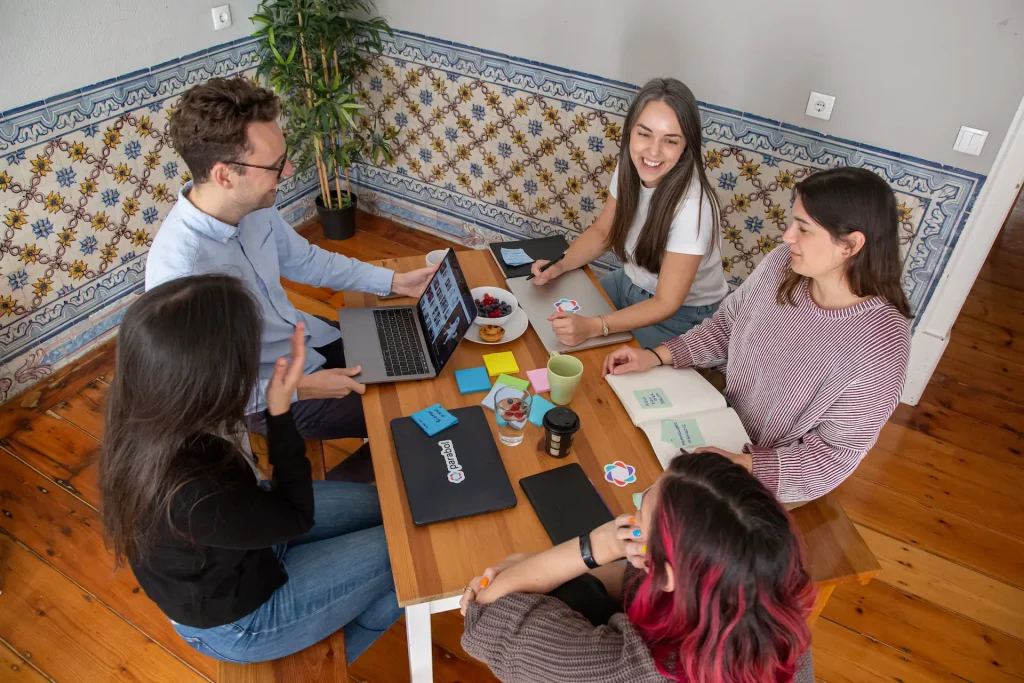
Participating in group puzzles can yield numerous benefits that extend beyond mere problem-solving. These activities create an environment where participants can express their ideas freely while working together towards a common goal.
- Improved Collaboration: Puzzles require teamwork and collective effort. When team members work to place pieces together, they learn to rely on one another’s perspectives and skills, ultimately leading to a deeper understanding of their colleagues’ strengths.
- Enhanced Communication: Team members must discuss strategies and share ideas. This fosters an open dialogue that is critical for workplace efficiency. For example, a team discussing how to fit pieces into place may employ active listening, which translates into better communication in other work-related tasks.
- Boosted Morale: Successfully completing a puzzle fosters a sense of achievement. This accomplishment can be incredibly motivating, often leading to improved job satisfaction. Celebrating small wins as a team reinforces positivity in the workplace.
Why the Buzz?
With the rise of remote work and hybrid teams, traditional methods of team-building are evolving. Group puzzles provide an engaging, interactive alternative that can be easily adapted to virtual platforms. For instance, online escape rooms and virtual jigsaw puzzles have gained popularity among companies looking to enhance their team dynamics from afar. These activities challenge teams to think critically and communicate effectively while ensuring they remain socially connected, regardless of physical distance.
Moreover, they can be structured in various ways, whether thorough physical jigsaw puzzles or intricate digital challenges that require strategic thinking and teamwork. Companies across the United States are recognizing the value of these tools, leading to an increase in the use of group puzzles as part of employee engagement strategies.
This article delves deeper into how group puzzles serve as a dynamic solution to strengthen teamwork and communication within organizations. Explore the various formats and strategies, and see how they can transform your team’s dynamics. Beyond the immediate benefits, engaging with group puzzles cultivates a collaborative culture that can significantly impact overall productivity and morale in the workplace.
DIVE DEEPER: Click here to discover more
Engaging in Problem-Solving Together
Group puzzles are an exceptional means of engaging teams in problem-solving activities that require not only cognitive skills but also emotional intelligence and interpersonal communication. Such activities can range from classic jigsaw puzzles to complex, scenario-based challenges designed to promote creative thinking. The key is that they unite individuals in a collective effort towards a shared objective, thereby cultivating an environment rife with collaboration and interaction.
By integrating group puzzles into team-building strategies, organizations can expect to witness several transformative effects:
- Trust Building: When team members collaborate on a puzzle, they are likely to develop a greater sense of trust with one another, as they rely on each other’s insights and contributions. This trust is pivotal in fostering a harmonious work environment, where individuals feel valued and empowered to share their thoughts and opinions.
- Critical Thinking: Puzzles often require a multi-faceted approach to problem-solving. As teams navigate challenges and decipher clues, they hone their analytical skills. This practice can transfer directly to workplace scenarios where critical thinking is vital, such as project management and strategic planning.
- Adaptability: The nature of puzzles is inherently unpredictable. Teams may face unforeseen challenges that necessitate quick thinking and flexibility. Engaging in such dynamic activities allows team members to practice adaptability, making them more resilient when facing real-life workplace changes and crises.
Numerous studies highlight the importance of these skills in business settings. According to a report from the Institute for Corporate Productivity, organizations that foster teamwork and communication experience a 21% increase in profitability. This correlation emphasizes why investing in team-building activities like group puzzles is beneficial not just for morale, but also for the bottom line.
Online Platforms: A New Era for Team Engagement
The transition to remote work has prompted a shift in how workplaces engage with their teams. Group puzzles have adapted seamlessly to this changing landscape, with numerous online platforms emerging to provide a virtual alternative. Digital puzzles can include things like online escape rooms or collaborative games that appeal to diverse interests. Teams can compete or work together to solve problems, allowing members to engage in a way that mirrors face-to-face interactions.
Furthermore, these virtual platforms often come with analytics features that provide organizations with insights into team dynamics during these activities. This information can be invaluable in pinpointing areas that may require improvement within the team’s communication styles or collaborative efforts.
As organizations continue to adapt to new work models, the incorporation of group puzzles as a strategy for strengthening teamwork and communication offers both immediate benefits and long-term advantages. By transforming the way teams interact and solve problems, workplaces can lay a solid foundation for a cohesive, productive atmosphere.
| Advantages | Impact on Team Dynamics |
|---|---|
| Enhanced Communication | Group puzzles require team members to share ideas, thus fostering open dialogue and collaboration. |
| Improved Problem-Solving Skills | Working together on puzzles allows teams to approach challenges from multiple angles, honing their collective problem-solving abilities. |
Engaging in group puzzles not only promotes fun, but also serves as an innovative tool for enhancing teamwork and communication among colleagues. During these activities, participants are encouraged to break down silos and develop a unified front in problem-solving scenarios. As teams navigate through puzzles, they inevitably start to understand each other’s strengths and weaknesses, which can lead to stronger collaboration in the workplace.Additionally, the aspect of limited time can create an exhilarating environment where participants hone their focus and resilience. This natural pressure boosts engagement while nurturing skills that are transferable back to daily work tasks, paving the way for a healthier working atmosphere. By emphasizing shared goals and productive communication, group puzzles can invigorate team dynamics, ensuring that members are not just co-workers, but collaborators working towards a common vision.
DIVE DEEPER: Click here to uncover more insights
Building Lasting Connections Through Shared Experiences
One of the most profound benefits of group puzzles lies in their potential to forge lasting connections among team members. Each puzzle-solving session serves as a mini-venture that not only stimulates the brain but also ignites a sense of belonging and camaraderie. As people engage in an interactive endeavor, the experience allows them to share laughter, frustrations, and collective victories. This shared emotional journey can significantly enhance relationships within the workplace, fostering a spirit of unity that extends beyond the conference room.
Furthermore, the psychological phenomenon known as the “broaden-and-build theory”, posited by psychologist Barbara Fredrickson, suggests that positive emotions contribute to stronger social connections and resilience. Collaborative activities like group puzzles are rich in opportunities for generating positive emotions, as team members encourage each other, celebrate small wins, and collaboratively strategize solutions. The warmth of these interactions creates a powerful foundation for teamwork, enabling members to reconnect with each other in more meaningful ways.
The aspect of diversity in teams also plays a crucial role in enhancing the effectiveness of group puzzles. Diverse teams bring a variety of perspectives, insights, and problem-solving techniques to the table, amplifying the potential for innovative solutions. Engaging in puzzle challenges encourages the pooling of different ideas, where members learn to appreciate one another’s viewpoints and strengths. This diversity not only helps in breaking down silos but also fosters a culture that values collaboration and continuous learning.
Utilizing Group Puzzles as a Learning Tool
Beyond standard team-building exercises, group puzzles can be strategically utilized as a learning tool in corporate environments. They can address specific skills or knowledge gaps that may hinder team performance. For example, organizations aiming to improve project management skills might design a puzzle centered on a project timeline that requires team members to think critically and communicate effectively to succeed. This focused application of puzzles allows teams to practice valuable skills in a low-pressure, engaging environment, creating a seamless transition into real-world applications.
Moreover, group puzzles can enhance interdepartmental collaboration. When teams from various departments come together to solve a complex puzzle, they gain firsthand insights into each other’s roles, expertise, and challenges. These interactions can break down barriers that often exist between departments, fostering better cooperation and understanding. When employees have a clearer picture of how their roles interconnect, it can lead to improved workflow and stronger alignment with organizational goals.
Measuring Success Through Engagement Metrics
The impact of group puzzles can be quantitatively assessed through engagement metrics. Organizations can measure enhanced teamwork and communication by conducting surveys before and after puzzle activities. Key performance indicators (KPIs) such as employee satisfaction, collaboration rates, and overall productivity can highlight the significance of these initiatives. The results can serve as a compelling testament to the value of group puzzles in strengthening teamwork. According to a study by Gallup, companies with high employee engagement report a 17% increase in productivity and a 21% increase in profitability. These statistics underscore the necessity of integrating engaging, interactive activities like group puzzles into team-building frameworks.
As we delve deeper into the world of group puzzles, it’s evident that the benefits extend beyond mere enjoyment and bonding experiences; they constitute a critical investment in the health and effectiveness of any organization. Embracing this innovative approach paves the way for deeper connections, smarter working practices, and an overall enhancement of workplace culture.
DIVE DEEPER: Click here to discover more
Conclusion: The Transformative Power of Group Puzzles in the Workplace
In summation, the value of group puzzles transcends the realms of simple entertainment; they serve as a robust framework for cultivating effective teamwork and communication in diverse organizational settings. By engaging in these collaborative challenges, teams not only stimulate intellectual synergy but also build a strong sense of community that fosters trust and cooperation. The emotional connections formed during these activities lead to lasting relationships, transforming team dynamics for the better.
The psychological principles underpinning group puzzles, such as the broaden-and-build theory, highlight how positive interactions can elevate morale and resilience. The incorporation of puzzles into team initiatives does not merely fill time; these engagements can sharpen vital skills and provide a platform for creative problem-solving. Moreover, when teams from different backgrounds come together to solve puzzles, they learn to appreciate varied perspectives, which enriches the collective problem-solving capacity and encourages a culture of inclusivity.
To truly understand the impact of group puzzles on teamwork and collaboration, organizations should leverage engagement metrics to assess changes in employee satisfaction and productivity. The evidence supporting the connection between enhanced teamwork and increased profitability is compelling and underscores the need for companies to invest in such innovative team-building exercises. In a rapidly evolving workplace landscape, embracing group puzzles is not just a fun diversion; it is a pivotal step toward cultivating a more cohesive, dynamic, and successful organizational culture. As businesses continue navigating the complexities of teamwork, prioritizing avenues that connect individuals will prove essential for long-term success.
Related posts:
The Psychology Behind Logic Games: How the Mind Processes Challenges
Gamification of Puzzles: How to Turn Challenges into Learning Tools
The Influence of Culture on the Creation and Resolution of Puzzles: A Comparative Study
Puzzles and Neuroplasticity: How Mental Challenges Can Reprogram the Brain
Puzzle Solving Strategies: Techniques for Approaching Complex Puzzles
Puzzles and Emotions: The Relationship Between Mental Challenges and Emotional Regulation

Linda Carter is a writer and puzzle expert specializing in mind games, brain teasers, and cognitive challenges. With extensive experience helping individuals enhance their problem-solving skills and think critically, Linda shares her knowledge on our platform. Her goal is to empower readers with practical advice, engaging puzzles, and strategies to sharpen their minds and achieve success in the captivating world of mind games and puzzles.