Puzzles and Neuroplasticity: How Mental Challenges Can Reprogram the Brain
The Marvels of Cognitive Enhancement
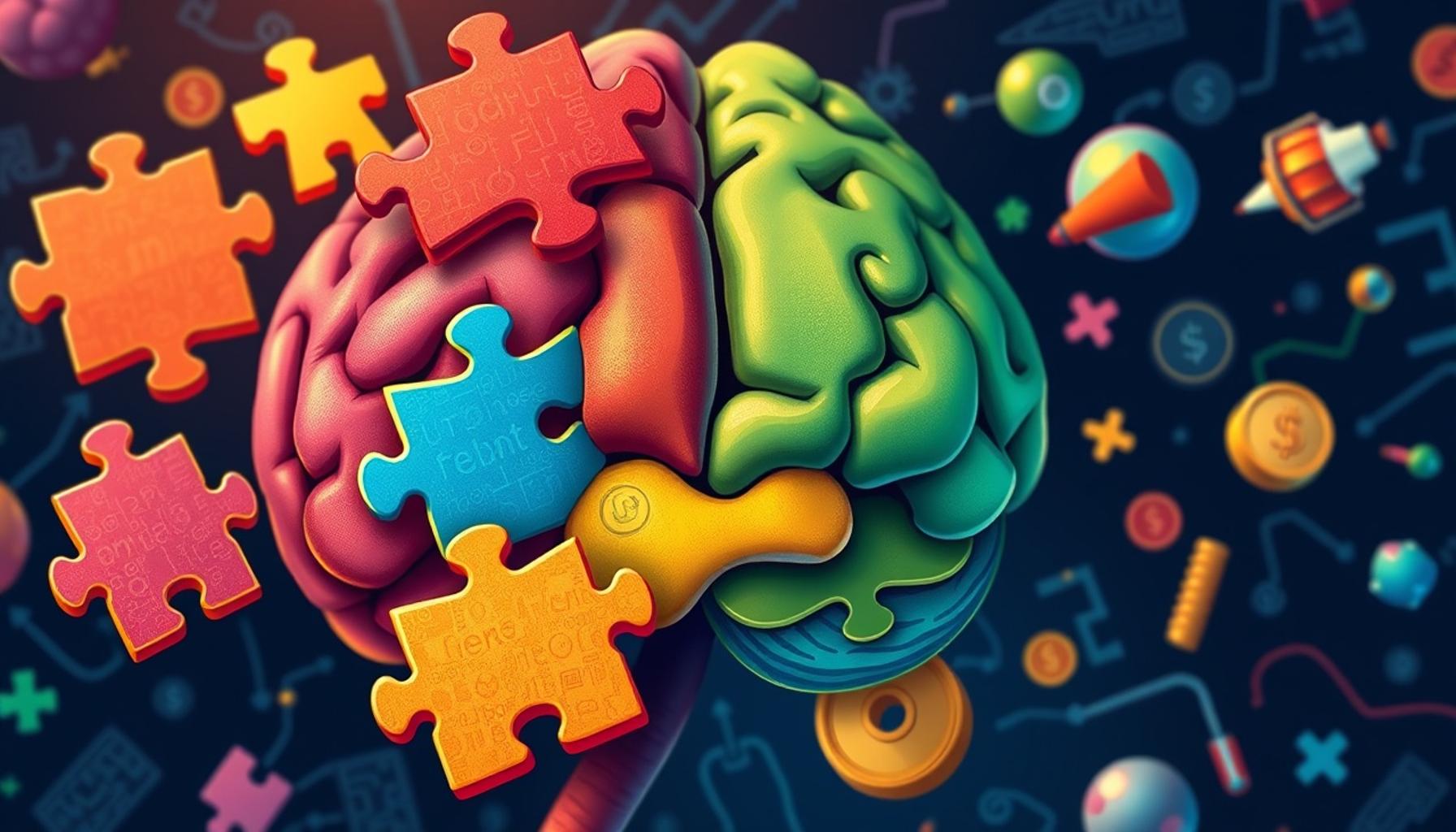
Every time you tackle a puzzle, you embark on a journey that strengthens your brain’s cognitive resilience. Engaging in mental challenges such as puzzles has been widely studied, revealing remarkable benefits associated with neuroplasticity. This term refers to the brain’s fascinating ability to reorganize and form new neural connections, facilitating learning, memory, and even recovery from injuries.
Neuroplasticity is particularly vital, as it allows individuals to adapt to new experiences and recover from setbacks. Here are several compelling reasons to dive into the world of puzzles:
- Enhances problem-solving skills: Regular exposure to different types of puzzles boosts your analytical abilities. For instance, logic puzzles challenge you to assess situations and make decisions based on limited information, honing skills that are extremely valuable in both personal and professional contexts.
- Boosts memory: Many puzzles require the recall of names, words, and patterns, thereby reinforcing your memory pathways. Games like Memory or even trivia quizzes stimulate active recall, which is essential for long-term retention.
- Improves mental agility: Puzzle-solving often involves quick thinking and adaptability. For example, playing chess or engaging in timed Sudoku challenges your brain to get fast and efficient, encouraging mental flexibility that can spill over into everyday life.
Puzzles come in a wide range of forms, from crossword puzzles and Sudoku to intricate jigsaw puzzles. Each type of puzzle stimulates different regions of the brain, promoting structural changes associated with enhanced cognitive function. Research indicates that these mental exercises are beneficial not only for older adults but for individuals of all ages. In fact, studies have shown that regular puzzle engagement can lead to a lower risk of cognitive decline in seniors, which highlights the importance of incorporating such activities early on in life.
As we deepen our understanding of the brain’s extraordinary capacity, there is growing appreciation for these simple yet powerful tools that enhance mental functionality. The pressing question now is: how can you incorporate puzzle-solving into your daily routine to harness these cognitive benefits? By setting aside just a few minutes each day for a crossword or a Sudoku puzzle, you can actively contribute to the reprogramming of your brain, leading to enhanced mental acuity and problem-solving prowess.
Engaging with puzzles is a fun and accessible method to keep your brain healthy. Why not challenge yourself and discover the transformative effects of these activities today?

DIVE DEEPER: Click here to learn more
Unlocking the Brain’s Potential Through Puzzles
In a world increasingly driven by rapid technological advancements, our brains often face overwhelming information that can lead to mental fatigue. However, engaging in puzzles presents a potent antidote, serving as an effective way to maintain cognitive sharpness and encourage neuroplasticity. This innate ability of the brain to rewire itself not only makes it resilient to damage but also equips it for continuous learning and adaptation throughout life.
Studies have shown that engaging in puzzles can ignite many cognitive functions, enhancing different areas of our brain and fostering mental growth. These activities stimulate neurological pathways, promoting healthy brain function and supporting lifelong learning. Among the various types of puzzles, researchers have identified several specific benefits that can be derived from consistent practice:
- Increases creativity: Solving different puzzle types often calls for innovative strategies and an adeptness at thinking outside the box. For example, a Sudoku puzzle requires you to explore countless strategies to determine the placement of numbers, tapping into your creative thought processes.
- Enhances visual-spatial reasoning: Jigsaw puzzles are particularly impactful in developing visual-spatial skills. Examining the shapes and colors of pieces enhances your ability to visualize relationships and solve complex problems that require spatial awareness.
- Improves focus and concentration: Working on puzzles demands a high level of attention. As you engage in activities like crossword puzzles or brain teasers, your ability to concentrate sharpens, which translates into increased productivity in other tasks.
Modern neuroscience backs up these assertions, with studies investigating the relationship between puzzle-solving and measurable changes in brain structure. For example, experiments have revealed that repeated exposure to challenging tasks strengthens synaptic connections and enables the formation of new neurons, a process known as neurogenesis. Individuals who regularly engage with puzzles, particularly in older age, have been shown to have a lower incidence of cognitive decline, suggesting that the practice may be crucial for maintaining brain health.
Looking to incorporate these brain-boosting activities into your daily life? It’s simpler than you might think. Setting aside small pockets of time devoted to puzzles can lead to remarkable cognitive transformation, effectively reprogramming the brain to handle challenges with greater ease. Whether it’s in the form of a digital game, a printed crossword, or a collaborative jigsaw session with friends, the options are endless.
In essence, engaging with puzzles isn’t just about piecing together shapes or solving clues; it’s about fostering an environment where the brain can thrive and evolve. By making puzzles a part of your routine, you invest in your mental well-being, unlocking layers of cognitive potential and enhancing your quality of life.
| Advantages | Description |
|---|---|
| Cognitive Enhancement | Engaging in puzzles promotes higher cognitive functions such as enhanced *problem-solving* skills and improved *memory* retention. |
| Stress Reduction | Working on mental challenges can serve as a form of *meditation*, leading to lower levels of stress and improved emotional stability. |
| Neuroplasticity Stimulation | Engaging in varied puzzles triggers your brain’s ability to form new *neural connections*, enhancing overall *brain function* and adaptability. |
| Social Interaction | Collaborative puzzles can foster social connections and improve *communication skills*, leading to a sense of community and shared achievement. |
| Delayed Cognitive Decline | Regular engagement with mental challenges can help stave off *age-related cognitive decline*, effectively keeping the mind sharp and agile for longer. |
The impact of engaging in *puzzles* extends beyond immediate brain function; it contributes significantly to the overall mental fitness of individuals. Individuals who practice problem-solving and challenging themselves regularly often find themselves better equipped to tackle real-world problems. The cognitive engagement required in completing puzzles not only sharpens an individual’s *reasoning abilities* but also enhances their ability to process information quickly. Research shows that this form of *neuroplasticity* is crucial as it helps shape the brain in response to new experiences. Furthermore, solving puzzles within a group can help forge social bonds, promoting emotional well-being. Therefore, incorporating puzzle-solving into daily routines can play an integral role in comprehensive mental health.
DIVE DEEPER: Click here to unlock the secrets of code-breaking
The Science Behind Puzzles and Brain Rewiring
As we delve deeper into the intricate relationship between puzzles and neuroplasticity, it’s essential to understand the underlying mechanics that facilitate this remarkable brain reprogramming. Engaging with puzzles triggers specific neural responses that can ignite brain activity, thereby fostering an expansive and adaptive cognitive environment. As the brain encounters and overcomes challenges, it initiates a series of biochemical and electrical responses that promote connectivity and efficiency.
One significant area of research has focused on the role of dopamine, a neurotransmitter that plays a crucial role in motivation and reward. When you solve a puzzle, your brain releases dopamine, reinforcing the behavior and encouraging you to take on more mental challenges. This biochemical feedback loop does not only enhance motivation but also aids memory retention, making it easier to remember the strategies used in previous puzzles for future applications.
Furthermore, engaging in cognitively demanding activities like puzzles stimulates the prefrontal cortex, the part of the brain responsible for complex cognitive behavior, decision-making, and moderating social behavior. This area’s activity during puzzle-solving leads to improved executive functions, which encompass planning, flexibility, and the ability to switch between tasks. Such improvements can benefit multitasking abilities in everyday life, allowing individuals to navigate complex environments with greater ease.
Research illustrates that not just frequent practice is essential but the variety of puzzles you choose can influence brain development significantly. Crossword puzzles, logic puzzles, and memory games each stimulate different neural pathways. For instance, a study revealed that regular engagement with crossword puzzles can significantly increase vocabulary and enhance verbal memory, showcasing how targeted cognitive exercises create tailored neural adaptations.
Moreover, the social aspect of puzzles should not be overlooked. Collaborative puzzle-solving, such as working on a jigsaw puzzle with family or friends, can improve both cognitive and social connections. This lively interaction not only bolsters interpersonal skills but has been shown to release oxytocin, known commonly as the “bonding hormone,” further enhancing feelings of well-being and reducing stress levels. Such holistic mental engagement goes a long way in fostering lasting cognitive health.
The brainstorming experiences involved in puzzles mimic real-life problem-solving scenarios, also promoting critical thinking skills. By persistently facing new puzzles, individuals encounter diverse situations, encouraging adaptive thinking that beneficiaries can apply in their careers and personal lives. Whether it’s planning a project or addressing familial challenges, the cognitive flexibility gained through puzzles enriches one’s entire problem-solving toolkit.
Incorporating manipulable puzzles, such as Rubik’s Cubes or 3D puzzles, can introduce a tactile dimension to cognitive engagement. These three-dimensional challenges not only enhance spatial reasoning skills but also stimulate the sensory pathways in the brain, supporting dual learning modalities. This multi-sensory experience can effectively optimize brain engagement, leading to improved outcomes in neuroplasticity.
With increasing access to digital platforms, puzzles are more accessible than ever. Online puzzle applications provide varying levels of difficulty targeting specific cognitive skills, allowing users to challenge themselves according to their unique needs. This adaptability not only caters to novices but also ensures that seasoned puzzlers continue to cultivate new pathways in their brains as they progress to more complex challenges.
EXPLORE MORE: Click here to dive deeper into code-breaking strategies
Conclusion: Unlocking the Brain’s Potential Through Puzzles
In summary, the intricate connection between puzzles and neuroplasticity highlights the profound impact of mental challenges on our cognitive health. Engaging with diverse puzzles stimulates vital neural pathways and fosters enhancements in critical thinking, memory retention, and social connections. As we solve puzzles, our brains not only experience the immediate rewards of dopamine release but also adapt and evolve, showcasing the brain’s remarkable ability to rewire itself in response to new challenges.
With the wealth of studies affirming the cognitive benefits associated with various types of puzzles—from crosswords to tactile 3D puzzles—it is evident that a tailored approach to puzzle-solving can yield impressive results. Furthermore, the rise of digital platforms ensures that these brain-stimulating activities remain accessible and adaptable for individuals of all skill levels, accommodating a growing interest in mental fitness across the United States and beyond.
By incorporating more puzzles into our daily routines, we encourage not only personal growth but also cultivate a culture of cognitive resilience. So, whether you’re tackling a challenging sudoku or collaborating on a jigsaw with loved ones, remember that each mental challenge you embrace contributes to unraveling the untapped potential of your brain. Ultimately, the benefits of engaging with puzzles extend far beyond mere entertainment, paving the way for enriched cognitive longevity in our ever-evolving lives.
Related posts:
Group Puzzles: Strengthening Teamwork and Communication
Gamification of Puzzles: How to Turn Challenges into Learning Tools
Developing Cognitive Skills Through Puzzles: Benefits and Training Methods
The Influence of Culture on the Creation and Resolution of Puzzles: A Comparative Study
The Psychology Behind Logic Games: How the Mind Processes Challenges
Puzzle Solving Strategies: Techniques for Approaching Complex Puzzles

Linda Carter is a writer and puzzle expert specializing in mind games, brain teasers, and cognitive challenges. With extensive experience helping individuals enhance their problem-solving skills and think critically, Linda shares her knowledge on our platform. Her goal is to empower readers with practical advice, engaging puzzles, and strategies to sharpen their minds and achieve success in the captivating world of mind games and puzzles.