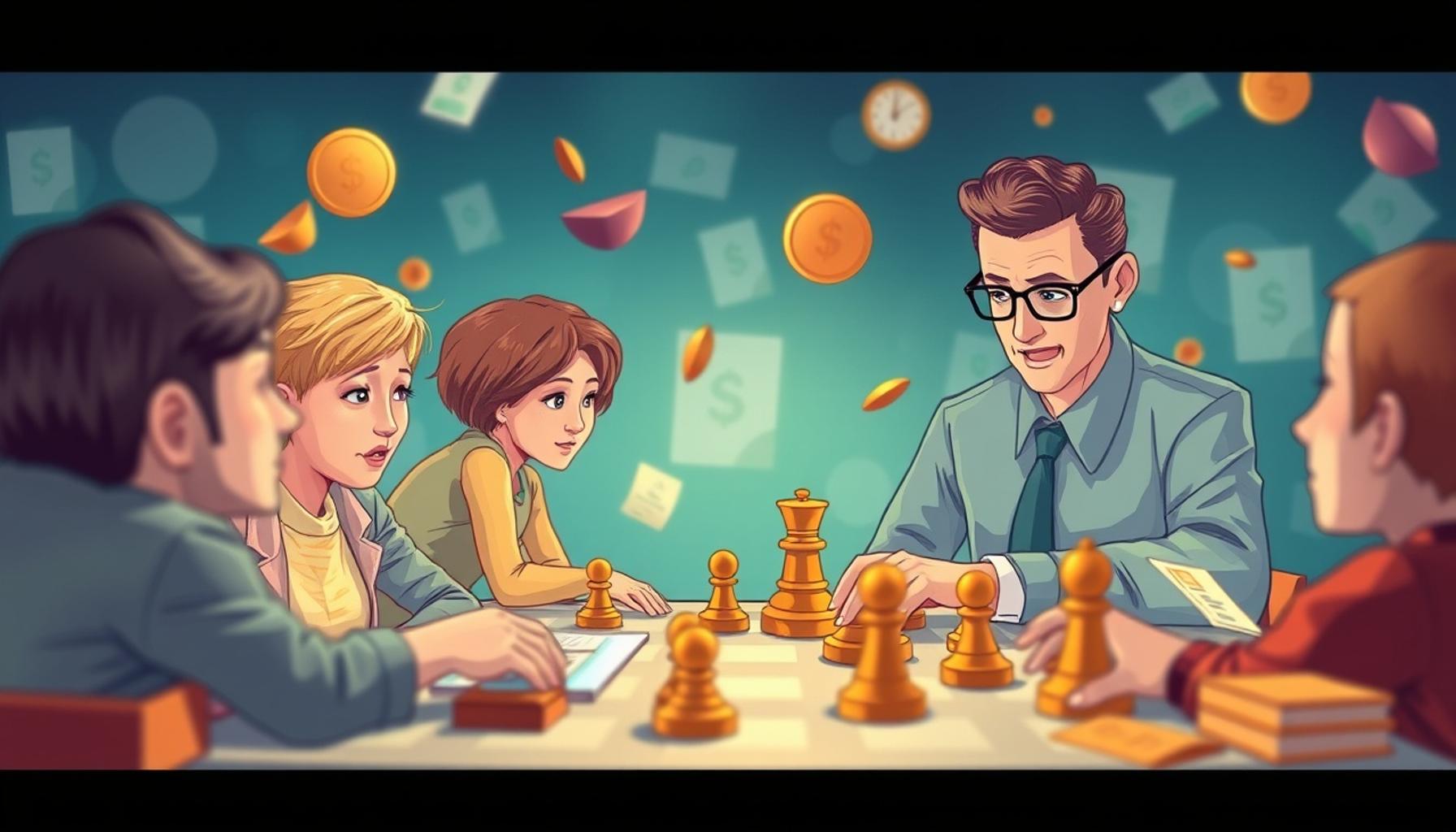
The Role of Mind Games in Reducing Cognitive Decline in Seniors

Exploring the Benefits of Mind Games for Seniors
As the population ages, cognitive decline among seniors is becoming a pressing concern. Many researchers and health professionals are keen to find solutions that can help maintain mental acuity in older adults. One promising avenue is the use of mind games, which offer stimulating benefits for the brain.
Why Mind Games Matter
Engaging in activities that challenge the mind can play a crucial role in promoting mental health. Research suggests that these activities may:
- Enhance memory retention and recall. Studies have shown that seniors who engage in memory games or brain teasers exhibit improvements in their ability to retain and retrieve information, which is vital for daily tasks.
- Improve problem-solving skills through puzzles and strategic games. Games like Sudoku and chess require players to think critically and strategize, fostering mental flexibility and analytical skills.
- Reduce the risk of conditions like dementia and Alzheimer’s. According to several studies, engaging in regular cognitive activities can result in a slower rate of cognitive decline and potentially lower the risk of developing neurodegenerative diseases.
Mind games, ranging from crosswords to chess, are more than just pastimes. They foster a sense of purpose and can be seamlessly integrated into daily routines. Many seniors find joy in joining a local bridge club or participating in community bingo nights, leading to both mental engagement and social interaction.
The Science Behind It
Studies have shown that regular engagement with cognitive activities may increase the brain’s neuroplasticity, helping older adults adapt to mental challenges. This adaptability is key as it allows seniors to continue learning and growing, regardless of age. Moreover, these games can:
- Encourage social interaction, which is vital for emotional well-being. Engaging with others in mind games not only helps improve cognitive abilities but also fosters connections that combat loneliness.
- Provide enjoyable ways to spend time, reducing feelings of isolation. Puzzles and group games can be a great way to bond with family members, offering a fun, shared experience that can strengthen relationships.
- Be easily accessed through various platforms—like apps, online games, and community classes. This accessibility allows seniors to participate in cognitive activities from the comfort of home or in group settings.
Understanding the role of mind games is essential for families and caretakers eager to support seniors in maintaining their cognitive health. As technology evolves, many apps designed for brain training are available, such as Lumosity and Brain Age, which offer various levels of difficulty tailored to individual needs. By incorporating mind games into their lives, older adults can not only enhance their cognitive functioning but also enjoy a richer, more fulfilling quality of life. Delving into this topic could unlock new pathways for enhancing well-being among seniors and promote a proactive approach to mental health in the community.
EXPLORE MORE: Click here to dive deeper
Understanding the Mechanisms of Mind Games
The application of mind games as a tool for mitigating cognitive decline is supported by numerous studies that delve into the underlying mechanisms of brain activity. Engaging the mind through challenging puzzles, memory tasks, and strategic games not only stimulates neurons but also encourages the formation of new neural connections. This is particularly beneficial for seniors, as it can counteract the natural cognitive decline that comes with aging.
The Brain’s Response to Cognitive Challenges
When seniors engage in brain-stimulating activities, several cognitive processes are set into motion. The brain responds to these challenges by:
- Increasing blood flow to vital areas, enhancing oxygen and nutrient delivery to brain cells. This improved circulation can bolster mental clarity and focus, which are essential for daily functioning.
- Strengthening synaptic connections, that allow for better communication between neurons. By regularly practicing these mental exercises, seniors can help maintain and even improve their cognitive skills.
- Triggering the release of brain-derived neurotrophic factor (BDNF). This protein plays a significant role in the survival and growth of neurons, thereby facilitating learning and memory.
Moreover, engaging in mind games can lead to cognitive reserve, a term that refers to the brain’s resilience against damage and decline. Studies indicate that individuals who regularly challenge their minds—whether through reading, solving puzzles, or learning new skills—exhibit a higher level of cognitive functioning later in life.
The Impact of Social Interaction
Beyond the physical brain stimulation, mind games also offer a fantastic opportunity for social interaction, a crucial factor in maintaining cognitive health. Participating in group activities, such as trivia nights or card games, can reduce feelings of isolation and loneliness. Social engagement has been shown to:
- Enhance emotional well-being, which is directly linked to cognitive stability. A positive mood contributes to better memory and mental agility.
- Provide opportunities for shared experiences, which can improve familial and social bonds, creating a support network that is vital during challenging times.
- Encourage collaborative problem-solving, sharpening cognitive skills through teamwork and discussion.
The collaborative nature of many mind games can also lead to improved communication skills, enhancing cognitive functions that seniors may struggle with as they age. With every round of word games or strategic planning in chess, they are working seamlessly on their mental fitness without even realizing it.
As awareness grows surrounding the benefits of mind games, more seniors are discovering the myriad of options available to them. From traditional card games played at the dining room table to innovative online platforms designed to engage users of all ages, the possibilities are endless. By actively seeking mental challenges, older adults not only combat cognitive decline but also enrich their daily lives, paving the way toward a more fulfilling experience in their golden years.
The Impact of Mind Games on Cognitive Health
Engaging in mind games such as puzzles, chess, and memory exercises can significantly contribute to maintaining cognitive function in seniors. Research indicates that these activities stimulate various brain regions, fostering connectivity and the formation of new neural pathways. This is particularly beneficial as we age, as it may help to stave off symptoms of cognitive decline and conditions like Alzheimer’s disease.
The Science Behind Cognitive Stimulation
Neuroscientific studies reveal that challenging mental tasks enhance neuroplasticity, allowing the brain to adapt and rewire itself in response to new experiences. Regularly participating in mind games encourages seniors to focus, strategize, and problem-solve, which not only sharpens their cognitive abilities but also promotes a sense of accomplishment and boosts self-esteem.
A Social Component
Mind games also serve as an excellent means of social interaction, reducing feelings of isolation that many seniors face. Group activities, such as playing board games or engaging in trivia contests, create opportunities for camaraderie, helping to improve emotional health while simultaneously keeping minds active.
The Accessibility of Mind Games
Furthermore, many mind games and cognitive activities can be easily accessed online or through mobile apps, making them more appealing and convenient. This tech-savvy approach invites seniors to engage with technology and remains connected to their peers and family members. By embracing mind games, seniors not only work towards enhancing their mental acuity but also enrich their social lives. The multifaceted benefits of these activities showcase their potential role in combating cognitive decline and ensure that seniors can enjoy a higher quality of life as they age.
| Category | Description |
|---|---|
| Cognitive Stimulation | Engagement in mind games enhances brain connectivity and new neural pathways. |
| Social Interaction | Playing games fosters community, reduces feelings of isolation, and boosts emotional health. |
Seniors are encouraged to take up these enriching activities, ensuring they stay mentally agile and socially connected. The resulting benefits are not merely a buffer against cognitive decline, but a pathway to a more fulfilled and engaged life.
DIVE DEEPER: Click here to discover how word games can boost your memory!
Exploring Varied Mind Game Options
As the understanding of the importance of mind games grows, so too does the variety of available cognitive activities designed specifically for seniors. The diversity of these games not only caters to different preferences but also targets various cognitive abilities. Here, we delve into some popular categories of mind games that seniors can incorporate into their routines for cognitive health enhancement.
1. Puzzles and Brain Teasers
Puzzles and brain teasers have been a staple in cognitive stimulation for decades. From crossword puzzles to Sudoku, these activities challenge the mind in unique ways. Engaging in puzzle-solving helps sharpen problem-solving skills, enhances logical thinking, and builds vocabulary. Research shows that completing puzzles can improve mental speed, offering a significant boost to overall cognitive function. For example, a study published in the journal *Psychology and Aging* found that participants who regularly engaged with puzzles showed a noteworthy improvement in memory tests.
2. Strategy-Based Games
Strategic games like chess and checkers require players to think several moves ahead, enhancing decision-making skills and memory. These games also demand a degree of foresight, as players must anticipate their opponents’ actions. A compelling aspect of strategy games is their ability to adapt to the player’s level, providing ongoing challenges. Organizations such as the America’s Foundation for Chess have noted that playing chess can lead to improved cognitive flexibility and stronger concentration, making it particularly suitable for combating cognitive decline in seniors.
3. Digital Platforms for Cognitive Engagement
The rise of technology has ushered in a new era of mind games that can be accessed via tablets and smartphones. Online platforms such as Lumosity or Brain Age offer tailored brain games focused on memory and attention. These games provide immediate feedback, allowing players to track improvement over time. A recent survey indicated that users of these cognitive training apps reported increased mental sharpness and satisfaction, leading to a more engaging and enjoyable cognitive experience.
The Role of Memory Games
Memory games, especially those that involve recalling sequences or matching cards, are particularly effective in enhancing short-term memory and attention span. Senior centers have increasingly incorporated memory games into their programs, with documented success in slow-paced group sessions that encourage reminiscence alongside cognitive practice. Activities like “Memory Match” not only improve memory but also promote socialization, as players share moments of enjoyment and friendly competition.
Benefits Beyond Cognition
Engaging in mind games does not solely enrich cognitive ability; it also fosters emotional and psychological benefits. Regular participation can lead to improved self-esteem, as seniors experience success, even in small victories, when overcoming mental challenges. Moreover, immersing oneself in engaging activities contributes to the brain’s neuroplasticity—the phenomenon where the brain adapts and forms new neural pathways, regardless of age. This adaptability is crucial for elderly individuals navigating cognitive decline.
The exploration of various mind games clearly illustrates their potential to transform an ordinary day into an opportunity for brain improvement. By diversifying their cognitive activities, seniors can actively participate in maintaining their cognitive health while also enjoying the accompanying social interactions and personal achievements that come with these engaging pursuits.
DISCOVER MORE: Click here to learn about the benefits of puzzles
Conclusion: Embracing Cognitive Engagement for a Brighter Future
In summary, the role of mind games in reducing cognitive decline among seniors is both significant and multifaceted. Engaging in an array of cognitive activities—ranging from puzzles and strategy games to digital platforms—offers not only a means of sharpening mental acuity but also a pathway to boosting self-esteem and emotional well-being. The research reinforces that regular participation in these mental challenges can lead to enhanced memory, improved problem-solving skills, and a greater sense of accomplishment.
Furthermore, the social aspect of many mind games cannot be overlooked. By encouraging interaction and camaraderie, these activities also provide important emotional support, which is essential for cognitive resilience. The stimulation of brain activity through enjoyable and challenging games works hand-in-hand with the brain’s inherent capacity for neuroplasticity, thereby fostering adaptability, regardless of age.
As families and caregivers become increasingly aware of the profound impact of cognitive engagement, implementing a routine that includes mind games becomes not just a suggestion but a compelling necessity. Whether through traditional games or innovative digital applications, there are countless opportunities for seniors to enhance their cognitive health. The time to explore these engaging options is now; by making mind games a regular part of life, seniors can unlock a brighter, sharper, and more fulfilling future. So, let us encourage our loved ones to take on that next puzzle or chess match—it’s more than a game; it’s an investment in their cognitive health.
Related posts:
Puzzles as Tools for Enhancing Problem-Solving Skills
How Visual-Spatial Games Enhance Cognitive Development in Children
The Benefits of Memory Games in Strengthening Recall Abilities
The Science Behind Sudoku: How Number Puzzles Enhance Logical Thinking
Mind Games: A Fun Approach to Enhancing Attention and Focus
Exploring the Effectiveness of Brain Teasers in Boosting Mental Agility

Linda Carter is a writer and puzzle expert specializing in mind games, brain teasers, and cognitive challenges. With extensive experience helping individuals enhance their problem-solving skills and think critically, Linda shares her knowledge on our platform. Her goal is to empower readers with practical advice, engaging puzzles, and strategies to sharpen their minds and achieve success in the captivating world of mind games and puzzles.