The Role of Crosswords in Stimulating Language Skills and Cognitive Development
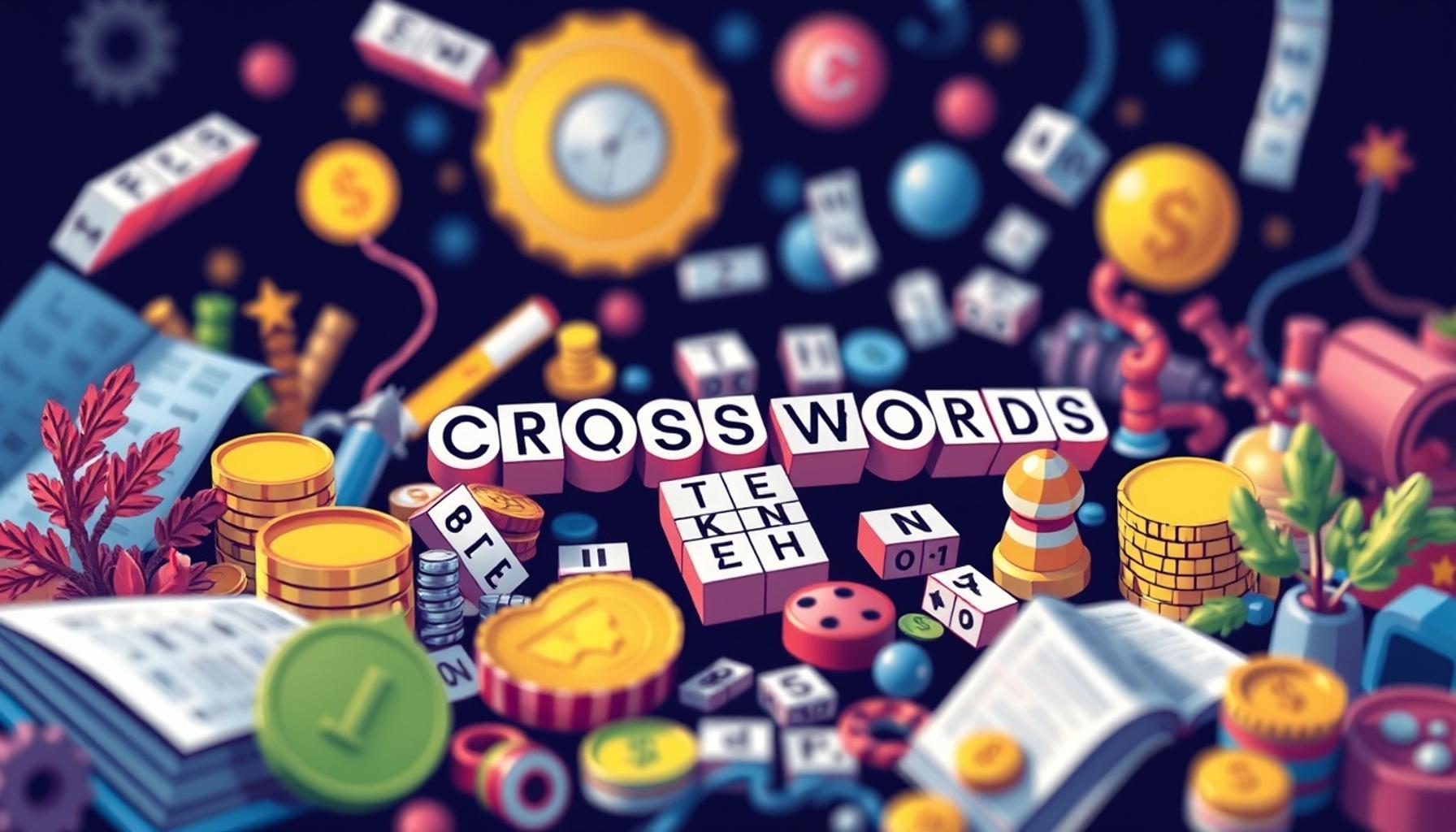
Benefits of Crossword Puzzles
Crosswords appeal to people of all ages, from children learning their first words to seniors looking to maintain their cognitive sharpness. Solving these word puzzles offers multiple advantages that extend well beyond amusement.
Vocabulary Expansion
Vocabulary Expansion: Engaging with crossword puzzles regularly introduces players to an array of new words and phrases. For example, a crossword might include obscure words such as “quixotic” or “ephemeral,” which players may not encounter in everyday conversation. Not only do these puzzles challenge players to decipher clues, but they also encourage the retention of these newly learned terms. Over time, this constant exposure helps enhance one’s lexicon, making it easier to express thoughts and ideas more eloquently.
Improved Memory
Improved Memory: Crosswords require participants to recall facts, spelling, and meanings, providing a robust training ground for memory. Research suggests that engaging in puzzles stimulates various brain regions, strengthening neural connections. A great example of this can be seen in older adults, who often benefit from consistent puzzle-solving as a preventative measure against cognitive decline. Studies have shown that those who regularly engage in mentally stimulating activities, like crosswords, generally have improved memory and cognitive function as they age.
Critical Thinking
Critical Thinking: The analytical nature of crossword clues fosters critical thinking and problem-solving skills. Each clue is a riddle that challenges the solver to connect various pieces of information. For instance, a clue may require a player to think of a synonym, consider a historical figure, or identify pop culture references, thereby incorporating diverse knowledge and skills. This type of mental engagement can lead to better decision-making and reasoning abilities in everyday life.
The Social Aspect of Crosswords
In a world where digital interactions dominate, the humble crossword serves as a unique opportunity for offline engagement. Many people enjoy collaborating on puzzles with friends or family, creating a shared experience that not only enhances communication skills but also builds social bonds. Whether it’s gathering around a breakfast table with a newspaper crossword or sharing a digital puzzle on a mobile app, these shared moments can foster community and collaboration.
Implications for Education and Health
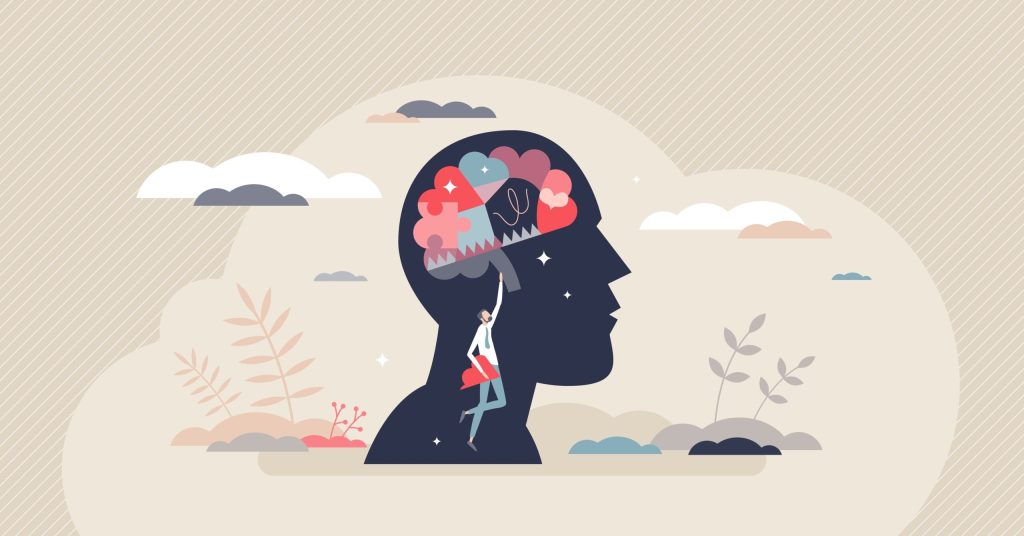
The implications of crossword solving extend to educational settings and mental health as well. Incorporating puzzles into classroom activities can stimulate student engagement, making learning vocabulary and spelling interactive and enjoyable. Furthermore, for the elderly, potential benefits include lowering the risk of Alzheimer’s disease and improving overall brain health. Programs designed for senior citizens often include crossword puzzles as a fun yet impactful way to maintain cognitive function.
In conclusion, the benefits of crossword puzzles are multifaceted, spanning vocabulary enhancement, memory improvement, and critical thinking development. As we continue to explore how these engaging puzzles contribute to our cognitive abilities, it becomes clear that they offer more than just a leisurely pastime. Embracing crossword puzzles may lead to significant personal growth and improve our overall mental agility, making it a worthwhile activity for all.
DISCOVER MORE: Click here to find out how mind games can enhance your memory
Enhancing Language Skills through Crosswords
One of the most notable roles of crossword puzzles is their ability to stimulate language skills. As individuals navigate clues, they grapple with a diverse set of vocabulary and syntax, which fosters language proficiency in a dynamic way. This engagement goes beyond mere word recognition; it cultivates a deeper understanding of language structure and complex word associations.
Language Nuances and Contextual Learning
Language Nuances and Contextual Learning: Crosswords often present words in varying contexts, which encourages solvers to sway between definitions and synonyms. For instance, the clue “a light snack” may lead to the answer “morsel,” pushing the solver to consider different phrases that might apply in various situations. This kind of contextual learning not only increases vocabulary but also facilitates an understanding of subtle differences in meaning and usage. Gamifying language acquisition in this way engages learners more effectively than traditional rote memorization methods.
Promoting Spelling Proficiency
Promoting Spelling Proficiency: Crosswords also play a significant role in improving spelling skills. As players work to fill in answers based on their knowledge and the intersecting letters already provided, they practice spelling in a hands-on manner. This active engagement helps reinforce correct spelling, making it easier to recall and utilize in writing or speaking. For example, encountering the word “camaraderie” in a puzzle reinforces both the spelling and phonetics, embedding it further in the solver’s memory.
Cognitive Engagement and Parsing Skills
Cognitive Engagement and Parsing Skills: Beyond simple vocabulary enhancement, crosswords necessitate the development of parsing skills—the ability to break down and analyze parts of speech and phrases. Each clue prompts the solver to decode meanings and connections, drawing from their personal knowledge and experience. For example, clues may involve puns, homonyms, or cultural references, which challenge solvers to think critically and creatively. This cognitive engagement sharpens problem-solving abilities, contributing to overall cognitive development.
List of Key Language Skills Developed by Crosswords
- Vocabulary acquisition: Exposure to new words leads to greater language diversity.
- Word association: Understanding how words relate and fit into different contexts.
- Enhanced spelling: Frequent practice reinforces spelling accuracy.
- Cognitive agility: Improves problem-solving skills and increases mental flexibility.
Notably, these language skills are not confined to casual solvers. Educational professionals increasingly recognize the potential of crossword puzzles in supporting language education in classrooms across the United States. From grammar schools promoting early literacy to high schools preparing students for standardized tests, the use of crosswords has emerged as an effective tool for engaging diverse learning styles.
Moreover, the benefits extend beyond the classroom. Individuals who incorporate crosswords into their daily routines often experience improved communication abilities, which can enhance both personal and professional relationships. As solvers become more adept at articulating their thoughts, they may find enhanced opportunities in social and career-related circles.
In the landscape of cognitive development, crosswords serve as a powerful instrument for harnessing language skills, thereby motivating individuals of all ages to foster a love for words and their meanings.
The Role of Crosswords in Stimulating Language Skills and Cognitive Development
Crosswords are more than just a pastime; they serve as a comprehensive tool for enhancing language skills and fostering cognitive growth among individuals of all ages. As puzzles that challenge the mind, they require a blend of vocabulary knowledge, problem-solving abilities, and critical thinking, making them an ideal medium for educational advancement.One of the primary advantages of engaging with crosswords is their capability to improve vocabulary. Regular practice exposes solvers to new words, definitions, and synonyms that might otherwise remain unknown. This not only boosts a person’s language proficiency but also enhances their ability to communicate effectively. Furthermore, it can spark curiosity, prompting learners to seek out the meanings of unfamiliar terms.Additionally, crosswords promote cognitive development. By requiring solvers to think strategically about word placement and relationships, these puzzles enhance memory and mental flexibility. Research has shown that mental exercises, such as crosswords, can reduce cognitive decline in older adults, ensuring that brain health is sustained as one ages.The following table summarizes key advantages and benefits of crosswords in language and cognitive skill development:
| Advantages | Benefits |
|---|---|
| Vocabulary Development | Exposure to new words enhances communication and comprehension skills. |
| Cognitive Engagement | Enhances memory and problem-solving abilities, reducing cognitive decline. |
Moreover, the act of solving crosswords can foster social interaction when shared among family and friends, encouraging collaboration and discussion about different clues and solutions. This collaborative nature not only makes learning more enjoyable but also builds community and strengthens bonds.Incorporating crosswords into educational curriculums can play a significant role in enriching language education. As educators and parents recognize the multifaceted benefits of puzzles, they can harness their power to inspire learners and cultivate a lifelong love for language and learning.Through exploration and consistent engagement with crosswords, individuals can experience an exciting journey of linguistic and cognitive development that extends well beyond the pages of a puzzle.
DIVE DEEPER: Click here to unlock the secrets of memory games
Crosswords as a Tool for Cognitive Development
In addition to their significant influence on language skills, crossword puzzles serve as an engaging exercise for cognitive development, promoting essential mental faculties such as critical thinking, memory retention, and even strategic planning. These games compel players to engage in multifaceted thought processes, which can benefit individuals of all ages, from school children to senior citizens.
Problem-Solving and Decision-Making Skills
Problem-Solving and Decision-Making Skills: Solving a crossword requires a structured approach to problem-solving. Players must assess clues, deduce potential answers, and consider how these possibilities fit within the existing framework of the puzzle. This iterative process involves hypothesizing, testing, and re-evaluating assumptions, mirroring real-world decision-making scenarios. Research has shown that regular engagement in activities that promote problem-solving can enhance cognitive flexibility—an essential skill in adjusting one’s thinking in response to new information or changes in environment.
Memory Boost through Repetitive Exposure
Memory Boost through Repetitive Exposure: Crossword puzzles encourage memory retention through repeated exposure to vocabulary and concepts. Each time a solver encounters a new word or phrase, it creates a neural pathway in the brain, which becomes stronger with repetition. A study in the *Journal of Educational Psychology* highlighted that activities promoting spaced repetition, like crossword solving, significantly improve long-term retention of knowledge. This makes crosswords not only a fun endeavor but also a practical tool for lifelong learning.
Social Interaction and Community Engagement
Social Interaction and Community Engagement: The social aspect of solving crosswords can further stimulate cognitive development. Many people enjoy gathering with friends or family to tackle puzzles together, promoting discussion and teamwork. This collaborative dynamic fosters communication skills, enhances social bonds, and encourages diverse perspectives. According to a report by the *American Psychological Association*, social interaction is associated with lower levels of cognitive decline in older adults. Thus, arranging crossword-solving sessions can contribute positively to mental health in a community-oriented manner.
List of Cognitive Skills Enhanced by Crosswords
- Critical thinking: Encourages analysis and evaluation of clues and answers.
- Memory enhancement: Strengthens recall through repeated exposure to vocabulary.
- Decision-making: Involves weighing options and making informed choices.
- Collaboration: Fosters teamwork and communication when solved in groups.
The benefits of crossword puzzles extend beyond mere leisure; they embody a comprehensive approach to language acquisition and cognitive development. Educators have begun to embed crossword puzzles into the curriculum, using them as tools to bridge gaps in learning, enhance engagement, and reinforce material in a fun environment. Their adaptability makes them applicable across various subject matters, from vocabulary in language arts to historical figures in social studies.
Moreover, the growing popularity of online crossword platforms, such as the New York Times Crossword and various mobile apps, has made access easier, encouraging a new generation to embrace the challenges and pleasures of this literary pursuit. As a growing number of individuals and communities turn to crossword puzzles, they uncover valuable benefits that extend far beyond the simple enjoyment of words.
DIVE DEEPER: Click here to learn more about puzzles and cognitive enhancement
Conclusion
In summary, crossword puzzles offer multifaceted benefits that significantly enhance both language skills and cognitive development. By actively engaging with clues and answers, players refine their vocabulary while equally honing their problem-solving and decision-making skills. The repetitive nature of crosswords reinforces memory retention, transforming a simple pastime into a potent learning tool. Furthermore, the social dimension inherent in crossword solving fosters teamwork and communication, proving that these puzzles can strengthen community bonds and contribute to mental well-being.
As we navigate an ever-evolving digital landscape, the appeal of crossword puzzles remains steadfast, adapting with new formats and accessibility through online platforms. This evolution not only encourages a wider audience to participate but also ignites curiosity and a passion for language. For educators, the incorporation of crosswords into lesson plans is a strategic move that leverages engagement and creativity while bridging gaps in traditional learning methods.
Given the broad spectrum of cognitive skills enhanced by crosswords—ranging from critical thinking and memory enhancement to social interaction—it’s clear these seemingly simple puzzles can have profound implications. As individuals and communities continue to embrace the joy of crosswords, they unlock a treasure trove of cognitive benefits that extend far beyond mere entertainment. The future of language and cognitive development is intertwined with the enduring charm of crossword puzzles, inviting everyone to dive in and discover their potential.
Related posts:
The Impact of Cognitive Training Games on Memory Retention
Harnessing Strategy Games for Improved Executive Functioning
The Role of Mind Games in Reducing Cognitive Decline in Seniors
Analyzing the Impact of Logic Puzzles on Critical Thinking Skills
The Science Behind Sudoku: How Number Puzzles Enhance Logical Thinking
The Influence of Digital Puzzles on Cognitive Flexibility in Young Adults

Linda Carter is a writer and puzzle expert specializing in mind games, brain teasers, and cognitive challenges. With extensive experience helping individuals enhance their problem-solving skills and think critically, Linda shares her knowledge on our platform. Her goal is to empower readers with practical advice, engaging puzzles, and strategies to sharpen their minds and achieve success in the captivating world of mind games and puzzles.