Puzzles as Tools for Enhancing Problem-Solving Skills

The Power of Puzzles in Developing Problem-Solving Skills
In an era where the landscape of knowledge is constantly evolving, mastering the art of problem-solving has emerged as an essential competency. Whether you are a student deciphering complex subjects or a professional navigating intricate work challenges, engaging with puzzles provides an invigorating platform to cultivate critical thinking and expand cognitive faculties. What sets this playful activity apart as an effective tool for enhancing your problem-solving abilities?
Puzzles manifest in a multitude of forms, each tailored to stimulate different aspects of our mental prowess. Common types include:
- Crossword puzzles – These word games not only enhance vocabulary but also promote lateral thinking, encouraging solvers to make connections between seemingly unrelated words or concepts. For example, solving a clue might lead one to think of synonyms or multi-word phrases, improving language skills significantly.
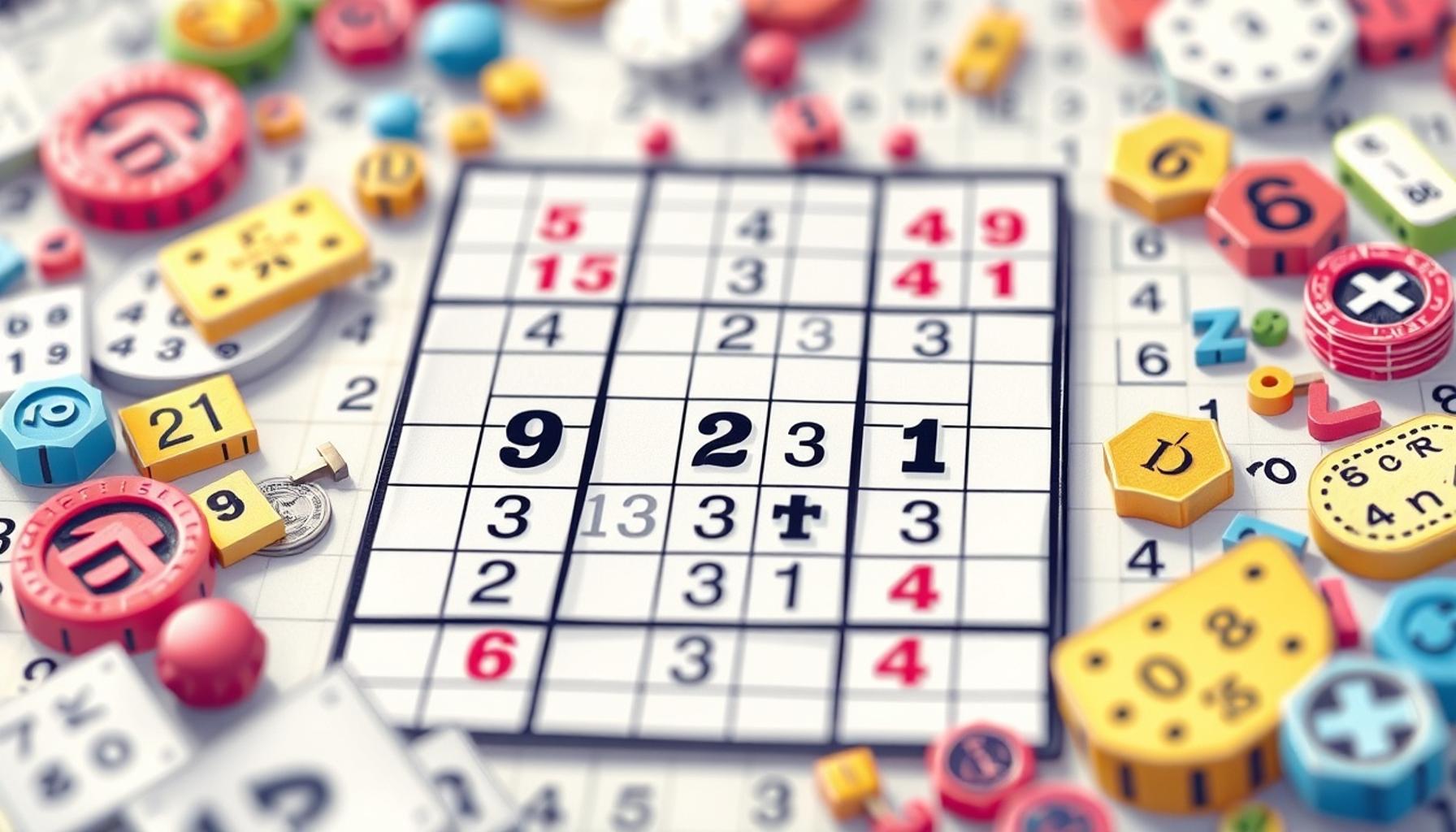
- Sudoku – This number placement game requires logical reasoning and mathematical skills. The task of filling a grid with numbers while adhering to specific rules invites players to think critically about their moves and strategize effectively, which is a fundamental aspect of problem-solving.
- Logic puzzles – Often featuring a narrative pattern requiring deduction, these puzzles sharpen analytical skills as individuals navigate various possible scenarios to arrive at a solution. They teach players to weigh evidence and outcomes, integral skills for effective decision-making.
- Jigsaw puzzles – Working with physical pieces enhances spatial awareness and pattern recognition. The tactile experience of fitting pieces together not only exercises the mind but also fosters patience and perseverance, qualities vital for tackling complex problems in everyday life.
Engaging in these diverse puzzle formats allows individuals to boost mental agility while immersing themselves in a fun and challenging experience. The cognitive process involved in solving puzzles often parallels real-life problem-solving situations, which require the use of various strategies to navigate challenges successfully. Research indicates that regularly participating in such activities can lead to a range of benefits:
- Increased creativity – Puzzling promotes divergence in thought, allowing individuals to explore multiple solutions and think outside the box.
- Enhanced focus – The attention needed to solve puzzles cultivates concentration skills that can translate to other areas of study or work.
- Better teamwork skills – Collaborative puzzle-solving encourages communication and collaboration, essential traits in both personal and professional settings.
In the following sections, we will delve deeper into how puzzles not only enhance problem-solving capabilities but also act as valuable instruments for personal growth and lifelong learning. Embrace the challenge and discover the profound impacts puzzles can have on your daily life, improving not just your critical thinking skills, but enriching your overall mental wellness!
DIVE DEEPER: Click here to discover more
Unlocking Cognitive Potential Through Puzzle Engagement
Puzzles, with their intricate designs and engaging challenges, provide a unique medium for enhancing problem-solving skills. By engaging with various types of puzzles, individuals can harness their cognitive resources, encouraging the brain to operate in diverse and innovative ways. This approach not only makes learning enjoyable but also integrates critical thinking and creativity into the process.
When tackling puzzles, individuals often find themselves navigating complex problems that mirror real-life situations. For instance, dealing with a tricky crossword clue might require one to think beyond the obvious, making connections that they may not have originally considered. This encouraging of lateral thinking is essential in developing robust problem-solving abilities. Similarly, while solving a challenging Sudoku puzzle, players must use logic and strategy to fill in the grid correctly, a skill that readily translates to resolving work-related issues.
Moreover, engaging with puzzles aids in refining cognitive skills that are vital for daily functioning. Here are some key ways puzzles assist in optimizing brain performance:
- Strengthened Analytical Skills: Logic puzzles encourage individuals to dissect situations, evaluate variables, and predict outcomes, leading to enhanced analytical reasoning.
- Boosted Memory Retention: The process of remembering clues or strategies involved in various puzzles can improve retention and recall, benefiting academic and professional duties alike.
- Cognitive Flexibility: Diverse puzzle formats invite players to switch approaches and strategies frequently, cultivating the ability to adapt to new situations with ease.
This cognitive exercise has not gone unnoticed. Numerous studies have linked puzzle engagement to improved brain health, indicating that people who routinely partake in puzzle-solving activities tend to maintain sharper mental acuity as they age. According to a study conducted by the National Institutes of Health, older adults who engaged in regular cognitive activities, including puzzles, experienced a slower rate of cognitive decline compared to their less active counterparts.
Furthermore, puzzles offer an excellent platform for fostering teamwork and collaboration. In a world marked by rapid changes and the need for collective problem-solving, collaborative puzzle activities can enhance communication and improve interpersonal skills. Working as a team to solve a complex jigsaw puzzle, for instance, encourages participants to share their ideas, practice patience, and build consensus—valuable capabilities in any workplace or social setting.
In essence, puzzles are far more than simple pastimes; they serve as critical tools for enhancing problem-solving skills across various domains of life. As we proceed to explore the multifaceted benefits of puzzles in-depth, it becomes increasingly clear that incorporating these engaging activities into our daily routines can yield profound and lasting mental benefits. By embracing the challenge that puzzles present, individuals can not only strengthen their cognitive skills but also enrich their problem-solving toolkit, ready to tackle life’s complexities with confidence.
| Advantages | Description |
|---|---|
| Cognitive Development | Puzzles stimulate critical thinking, allowing individuals to enhance their logic and reasoning abilities. |
| Engagement & Motivation | The challenge posed by puzzles keeps users engaged, driving them to persist through difficulties and enhancing perseverance. |
| Social Interaction | Collaborative puzzle-solving fosters teamwork, encouraging communication and discussion among participants. |
| Stress Relief | Engaging in puzzles can serve as a form of stress relief, as they require focus and provide a sense of achievement. |
Puzzles are not only enjoyable; they are essential tools for enhancing problem-solving skills. They create opportunities for mental exercise that dramatically improve cognitive functions. Engaging in different types of puzzles nurtures diverse problem-solving strategies, making individuals adaptable in different situations. By working on challenging puzzles, players often develop improved attention to detail and adaptability, skills beneficial in real-world scenarios.Furthermore, the social aspect of puzzles can transform solitary activities into cooperative ones. Gathering friends or family to tackle a complex puzzle can strengthen relationships while enhancing the collective problem-solving approach. Studies have shown that individuals who engage in such group activities report higher levels of satisfaction and achievement, contributing to better emotional health.Additionally, the various formats of puzzles—from crosswords to logic games—cater to various interests and challenge levels, ensuring there’s something for everyone. Individuals can choose their puzzles based on preference or difficulty, making the experience more personal and enriching. Thus, incorporating puzzles into daily routines could serve as a means to not just pass the time but significantly sharpen one’s skills in tackling daily tasks and challenges effectively.
EXPLORE MORE: Click here to enhance your memory skills
Cultivating Critical Thinking Through Puzzle Play
The intricate world of puzzles not only entertains but also acts as a powerful mechanism for cultivating critical thinking skills. As individuals engage with puzzles, they are required to analyze information, create strategies, and make sense of complex scenarios—key components of effective problem-solving. This process nurtures an important skill set: the ability to evaluate problems from multiple angles and devise suitable solutions.
The benefits of puzzle-solving extend into educational environments, where teachers are increasingly incorporating puzzles into lesson plans to support student learning. For example, educators utilize logic puzzles and brain teasers to stimulate students’ analytical abilities and promote engagement. Research published in the Journal of Educational Psychology indicated that students who participated in puzzle-based learning showed improved problem-solving skills and higher levels of achievement compared to their peers who relied on traditional teaching methods.
Puzzles, particularly math puzzles and riddles, can enhance numeracy skills and foster a more profound understanding of mathematical concepts. Working through these challenges allows students to experiment with different mathematical strategies, reinforcing their numerical comprehension. In this digital age, numerous online platforms offer interactive math puzzles, making it easier than ever for students to practice and develop these vital skills at their own pace.
Additionally, problem-solving through puzzles instills resilience in participants. The iterative nature of puzzle-solving teaches individuals that failure is often part of the journey to success. Each mistake can be a valuable learning opportunity that encourages perseverance and enhances one’s ability to approach problems with a growth mindset. Visionary educators like Carol Dweck have emphasized the importance of this mindset in educational success, particularly with the findings from her research in her book “Mindset: The New Psychology of Success.”
Puzzles in Professional Development
The significance of puzzles also transcends the academic realm; they have made their way into professional development programs. A growing number of companies are recognizing the value of team-building puzzles to foster collaboration and cooperative problem-solving skills. For instance, organizations often organize escape room events where employees must work together to solve riddles and find clues within a set timeframe. These activities not only sharpen analytical skills but also reinforce the significance of communication and collaboration in achieving shared objectives.
Moreover, insights from psychologists have revealed a link between enjoyable puzzles and workplace creativity. Engaging in such activities allows employees to step back and approach problems with a refreshed perspective, thereby enhancing their innovation capabilities. As emphasized in the publication from the American Psychological Association, companies that encourage creative problem-solving through playful engagements see higher levels of employee satisfaction and productivity.
The versatility of puzzles makes them a relevant and adaptable tool in enhancing problem-solving skills across a vast landscape of contexts. From educational settings to corporate environments, puzzles continually demonstrate their potential to unleash cognitive abilities and strengthen problem-solving frameworks. Whether through an online platform or engaging in a jigsaw at a local café, the journey through puzzles invites exploration, creativity, and, ultimately, the development of essential skills that navigate the complexities of life. By embracing such challenges, individuals from all walks of life can better equip themselves for the uncertainties and demands they encounter in their personal and professional lives.
DIVE DEEPER: Click here to learn more
Conclusion: The Multifaceted Benefits of Puzzles in Problem-Solving
In conclusion, puzzles serve as invaluable tools for enhancing problem-solving skills across various dimensions of life, from education to professional development. Their ability to stimulate critical thinking, promote resilience, and encourage innovative approaches to challenges cannot be overstated. By engaging with puzzles, individuals foster a dynamic skillset that allows them to navigate complex situations more effectively, understanding that the journey often includes trial and error.
The incorporation of puzzles into educational curricula has proven to yield positive outcomes, as evidenced by research linking puzzle-based learning with improved student performance. Moreover, organizations that embrace puzzles as part of their team-building initiatives are witnessing not only sharper analytical skills among their employees but also heightened collaboration and communication. Such environments lead to increased employee satisfaction and creativity, which are essential elements in the modern workforce.
As we advance into a future filled with complexities, the importance of problem-solving skills becomes ever more critical. Embracing puzzles—whether through traditional jigsaw challenges, logic problems, or engaging online platforms—provides an enjoyable means to enhance cognitive abilities. By actively incorporating puzzles into our daily routines, we can all cultivate a mindset that embraces challenges, celebrates creativity, and develops the skills necessary to succeed in both our personal and professional lives. So why not take a moment today to tackle a puzzle and discover the wealth of benefits it can bring?
Related posts:
Exploring the Effectiveness of Brain Teasers in Boosting Mental Agility
The Influence of Digital Puzzles on Cognitive Flexibility in Young Adults
How Visual-Spatial Games Enhance Cognitive Development in Children
The Benefits of Memory Games in Strengthening Recall Abilities
The Science Behind Sudoku: How Number Puzzles Enhance Logical Thinking
The Impact of Cognitive Training Games on Memory Retention

Linda Carter is a writer and puzzle expert specializing in mind games, brain teasers, and cognitive challenges. With extensive experience helping individuals enhance their problem-solving skills and think critically, Linda shares her knowledge on our platform. Her goal is to empower readers with practical advice, engaging puzzles, and strategies to sharpen their minds and achieve success in the captivating world of mind games and puzzles.