Meal Prepping for Balanced Nutrition: Tips for Busy Lifestyles

Discover the Benefits of Meal Prepping
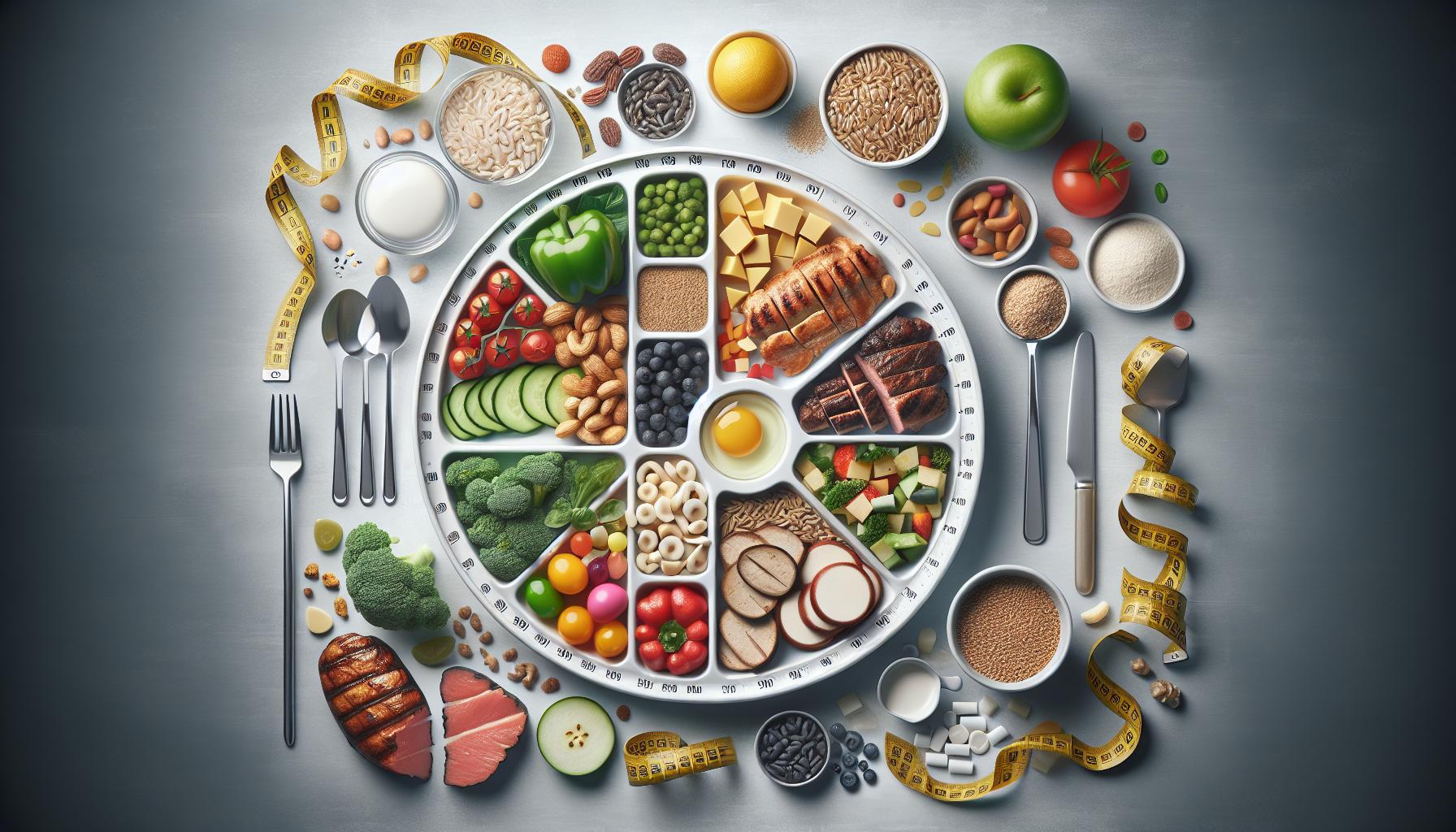
In today’s fast-paced world, juggling work, family, and personal commitments can make achieving balanced nutrition seem daunting. Meal prepping offers a practical solution, enabling busy individuals to maintain a healthy diet without sacrificing time. By planning and preparing meals ahead of schedule, you can ensure that nutritious options are always at your fingertips.
Why Meal Prep Matters
Implementing a meal prep strategy provides numerous advantages, particularly for those with hectic lifestyles. Consider the following benefits:
- Time-Saving: Spending less time cooking during the week is one of the most appealing aspects of meal prepping. Imagine eliminating the nightly stress of deciding what to eat or rushing to prepare dinner after a long day at work. With pre-prepared meals, you can simply heat up a healthy dish in minutes, allowing for more time to relax or focus on other commitments.
- Cost-Effective: Meal prepping can significantly lower your grocery bills. By planning meals in advance, you reduce food waste and take advantage of bulk purchases, often leading to lower overall costs. For example, buying a large bag of quinoa or rice can save you money compared to purchasing smaller packages. Moreover, eating out frequently can quickly add up; home-cooked meals are not only more nutritious but also much friendlier to your wallet.
- Healthier Choices: When you prepare your meals in advance, you have complete control over the ingredients. This proactive approach decreases reliance on fast food or unhealthy snacks that can be tempting after a long day. With a variety of nutritious options readily available, you are more likely to stick to your health goals and keep unwanted cravings at bay.
Registered Dietitians highlight that meal prepping can significantly improve dietary adherence, making it easier to consume the right balance of macronutrients. By organizing meals that include a good mix of proteins, carbohydrates, and fats, individuals can maintain energy levels and improve overall wellness. With the right tips and techniques, anyone can start meal prepping effectively, regardless of their culinary skills. Consider experimenting with simple recipes, such as grilled chicken and roasted vegetables, which can be made in large batches.
Getting Started
To embark on this journey toward better nutrition, you need just a few tools and strategies. Key elements to consider include:
- Planning: Outline weekly meals and snacks to ensure you have a balanced diet. Consider leveraging free meal planning apps or journaling your ideas for more structured planning. Create a grocery list based on your planned meals to make shopping efficient.
- Batch Cooking: This involves preparing large quantities of staple foods. Think about making enough grains, roasted vegetables, or proteins that can form the base for varied meals throughout the week. For example, cooking a big pot of chili or a casserole can provide several servings that can be divided into portions.
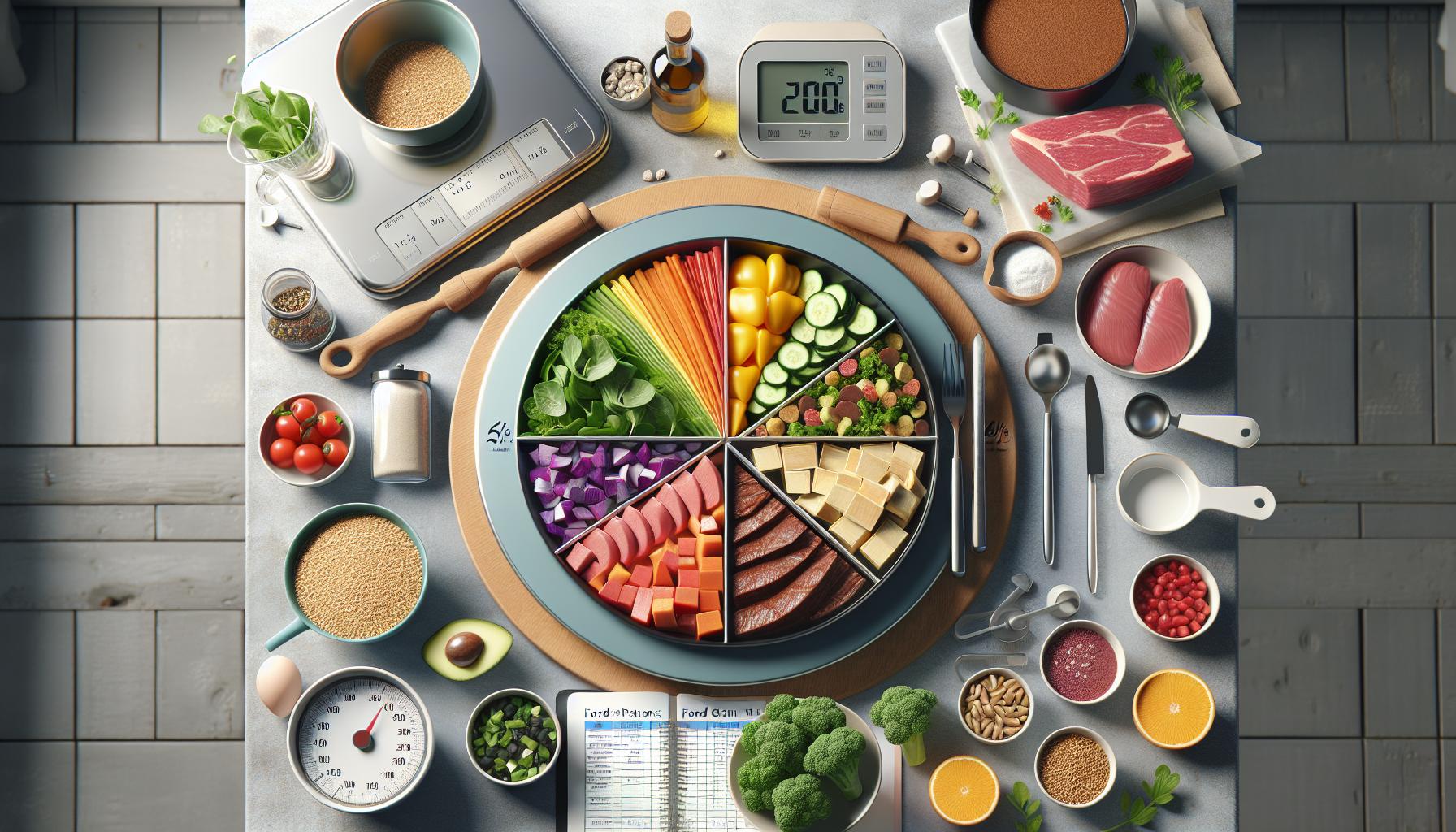
- Storage Solutions: Invest in quality containers that are microwave, freezer, and dishwasher safe for easy storage and portability. With a variety of sizes and compartments available, you can keep ingredients separate or combine them, depending on your preference.
By embracing meal prepping, you not only fuel your body with nourishing foods but also carve out valuable time in your busy schedule. Let’s explore how to get started with effective meal prepping techniques that fit seamlessly into your lifestyle, making healthy eating both achievable and enjoyable.

DISCOVER MORE: Click here to learn about the benefits of flexibility and stretching</
Tips for Effective Meal Prepping
As you embark on your meal prepping journey, it’s essential to understand that success lies in the details. Implementing systematic approaches can drastically enhance your ability to maintain a balanced nutrition plan, even during busy weeks. Here are some practical tips to kickstart your meal prepping routine:
Choose Balanced Recipes
Begin by selecting recipes that align with your nutritional goals. Aim for a well-rounded mix of proteins, carbohydrates, and healthy fats to ensure you are fueling your body efficiently. Consider incorporating ingredients like:
- Lean proteins such as chicken breast, tofu, or beans
- Complex carbohydrates including quinoa, sweet potatoes, or brown rice
- Healthy fats found in avocados, nuts, or olive oil
By diversifying your meal options, you not only cater to your taste preferences but also ensure a broader spectrum of essential nutrients.
Incorporate Seasonal Produce
When selecting ingredients for your meals, consider incorporating seasonal fruits and vegetables. Not only do they taste better, but they are also more affordable and nutritious when sourced locally. For example, during the summer, fresh tomatoes, zucchini, and berries are plentiful, while root vegetables like carrots and sweet potatoes shine in the fall. Filling your pantry with seasonal options supports both your health and local farmers, making it a win-win situation.
Schedule Your Meal Prep Time
Consistency is key when it comes to meal prepping. Setting aside a specific time each week dedicated to meal preparation can help solidify the habit. Whether it’s Sunday afternoons or weekday evenings, finding a time that works for you is crucial. This allows you to focus on your tasks without interruptions while ensuring you have meals ready to go when life gets hectic.
Moreover, consider engaging family members or friends in the meal prep process. Not only does it make the task more enjoyable, but it also fosters accountability and strengthens social bonds, all while promoting a healthy lifestyle.
Keep Variety in Mind
To avoid the monotony that can come with repeated meals, think about how to introduce variety into your meal prep routine. This could involve:
- Using different spices and herbs to transform similar base ingredients into unique dishes
- Creating “build-your-own” style meals, such as grain bowls or salad bars, allowing for personal customization throughout the week
- Rotating between meal templates every few weeks to keep your palate excited
By prioritizing variety, you not only make meals more enjoyable but also encourage a more sustainable and healthy eating habit over the long term. Meal prepping isn’t just about convenience; it’s about discovering a lifestyle that nourishes your body and fits seamlessly into your busy schedule.
Meal Prepping Basics
Meal prepping is not just about cooking food in advance; it encompasses planning, organizing, and efficiently utilizing your time in the kitchen to create balanced meals. This practice can significantly enhance your nutritional intake, especially for those with busy lifestyles. Understanding the core components of meal prepping can help streamline your efforts and bolster your health.
1. Planning Your Meals
The first step in effective meal prepping is to plan your meals for the week ahead. This involves selecting a variety of recipes that incorporate all necessary food groups, ensuring you’re meeting your nutritional needs. Consider using a mix of lean proteins, whole grains, fruits, and vegetables. Creating a shopping list based on your meal plan can also help you avoid impulse buys and stick to healthier options.
2. Batch Cooking
Once your meals are planned, the next step is batch cooking. This method allows you to prepare larger quantities of food at once, which can be divided into smaller portions for the week. Foods like grains, proteins, and roasted vegetables can be made in bulk and stored in airtight containers. This not only saves time but also reduces stress during busy weekdays when you might be tempted to reach for unhealthy convenience foods.
| Category | Benefits |
|---|---|
| Time Efficiency | Cooking in bulk saves precious time during the week, freeing you up for other activities. |
| Cost-Effective | Preparing meals at home reduces expenses associated with takeout and packaged meals. |
3. Storage Solutions
Proper storage is key to maintaining the freshness and nutritional quality of your prepped meals. Invest in a variety of containers that are suitable for refrigeration or freezing. Labeling your meals will also save time and help you keep track of when to consume items to avoid spoilage. By integrating these three essential components, meal prepping becomes a straightforward approach to achieving balanced nutrition. Whether you’re looking to save time, money, or fuel your active lifestyle, meal prepping can become a game-changer in your dietary habits. Stay tuned as we delve deeper into recipe ideas and specific strategies for optimizing your meal prep for sustenance on the go!
LEARN MORE: Click here to discover the benefits of mindfulness
Smart Storage Solutions
One of the crucial aspects of meal prepping lies in how you store your prepared meals. Proper storage ensures not only the longevity of your food but also maintains its flavor, texture, and nutritional value. Invest in a range of storage containers that suit your needs. Glass containers are a favorite for many due to their durability and microwave-safe capabilities, whereas biodegradable containers can appeal to the environmentally conscious. Use clear containers when possible to visually identify different meals at a glance, making mealtime choices straightforward and efficient.
Labeling is another smart practice that can help streamline your meal prep experience. Use a simple label maker or masking tape and a marker to note the contents and date of preparation on the containers. This not only helps in tracking freshness but also minimizes food waste, ensuring that you consume perishable items before they spoil.
Plan for Snacks
Meal prep isn’t just about the main meals; it’s equally important to plan for snacks. Having a healthy snack available can prevent impulsive eating and keep your energy levels stable throughout the day. Consider meal prepping a variety of nutritious snacks such as:
- Cut-up vegetables paired with hummus or guacamole
- Grab-and-go fruits like apples, bananas, or pre-portioned berries
- Energy balls made from oats, nut butter, and honey
Having these options readily available can turn a potentially unhealthy snacking impulse into a positive choice. This is especially beneficial for busy individuals needing a quick, nutritious boost during hectic workdays.
Optimize Your Grocery Lists
Grocery shopping plays an indispensable role in meal prepping. A well-organized grocery list can minimize time spent shopping and reduce impulse purchases that derail your meal prepping efforts. Begin with the recipes you plan to prepare, listing all required ingredients. Consider breaking your list down into categories that correspond with the layout of your local grocery store, such as:
- Fruits and Vegetables
- Proteins
- Grains and Pastas
- Dairy and Plant-Based Alternatives
This method not only streamlines your grocery trips but can also save you both time and money. Moreover, purchasing items in larger quantities or opting for store-brand products can reduce costs while maintaining quality.
Make Use of Kitchen Gadgets
Utilizing kitchen gadgets can significantly enhance your meal prepping efficiency. For instance:
- A slow cooker can prepare hearty soups and stews with minimal effort, allowing you to come home to a ready meal.
- An instant pot can help you quickly prepare grains and legumes, saving time compared to traditional cooking methods.
- A quality food processor can simplify chopping vegetables, making meal prep quicker as well.
Leveraging these tools can help streamline your cooking process, ensuring you meet your nutritional goals without compromising on taste or quality.
By integrating these practical strategies into your meal prepping routine, you create a system that supports balanced nutrition while seamlessly accommodating a busy lifestyle. With thoughtfulness and a bit of organization, leveraging meal prepping can turn the challenge of maintaining a healthy diet into an achievable and enjoyable endeavor.
DIVE DEEPER: Click here to uncover the benefits of daily meditation
Conclusion
In conclusion, meal prepping offers an invaluable solution for individuals trying to balance a busy lifestyle while maintaining balanced nutrition. By investing time upfront to plan and prepare meals, you can ensure that you and your family have convenient, healthy options readily available throughout the week. From smart storage solutions and efficient grocery shopping to incorporating nutritious snacks, every step plays a vital role in creating an effective meal prep system that aligns with your nutritional goals.
Moreover, leveraging kitchen gadgets such as slow cookers and food processors can help simplify the cooking process, making it easier to whip up delicious dishes without adding stress to your schedule. Remember, meal prepping is not merely about saving time; it is also about fostering mindful eating habits that support your overall health and well-being.
As you embark on your meal prepping journey, consider each tip outlined in this article as a building block toward a more organized and nutritious approach to eating. Staying consistent with your meal prep routine can not only enhance your health but also promote a greater sense of satisfaction in what you consume. So, equip yourself with the right tools and techniques, and join the growing community of meal preppers who are transforming their lives one meal at a time.
Ultimately, with thoughtful planning and execution, meal prepping can help you navigate the hurdles of a busy lifestyle, allowing you to enjoy healthy, homemade meals without the hassle of daily cooking. Embrace these practices, and you’ll find that balanced nutrition is well within your reach. Happy prepping!
Related posts:
Meal Prep Strategies for Busy Lifestyles: Eating Healthy on the Go
Incorporating Superfoods into Your Daily Diet for Optimal Health
The Role of Superfoods in Enhancing Your Daily Nutrition
Incorporating Mindful Eating Practices for Better Nutritional Choices
Plant-Based Eating: Tips for Adding More Fruits and Vegetables to Your Diet
The Importance of Hydration: Simple Ways to Increase Your Water Intake

Beatriz Johnson is a seasoned wellness coach and writer with a passion for simplifying the principles of holistic health and balanced living. With over a decade of experience in the wellness industry, she specializes in topics like mindful nutrition, sustainable fitness routines, and mental well-being strategies. Through her work on our website, Beatriz empowers readers to make informed lifestyle choices and cultivate habits that promote lasting harmony in their daily lives.