Understanding Portion Control: A Key to Healthy Eating Habits
The Importance of Portion Control
In today’s fast-paced society, where culinary options abound and the allure of visually appealing food is ever-present, portion control stands out as a meticulous yet necessary approach to fostering healthy eating habits. The tendency for portion sizes to swell—think about the super-sized fries or the indulgent restaurant platters—exacerbates the challenge of maintaining a well-balanced diet. This growing phenomenon can significantly contribute to a disparity in caloric intake, leading to a slew of health issues. Therefore, understanding appropriate serving sizes is crucial not only for personal health but also for cultivating a more mindful relationship with food.
Impact on Weight Management
One of the most compelling reasons for practicing portion control is its direct link to weight management. A pivotal study by the National Institutes of Health reveals that reducing serving sizes can effectively combat obesity by curbing overeating. For example, individuals who cut down on portion sizes at meals tend to consume 200-300 fewer calories per day. This reduction can translate into significant weight loss over time. Additionally, reframing your perception of a “normal” portion can alter your eating patterns significantly. A handy trick involves using smaller plates or bowls, which can trick your brain into feeling satisfied with less food.
Nutritional Balance
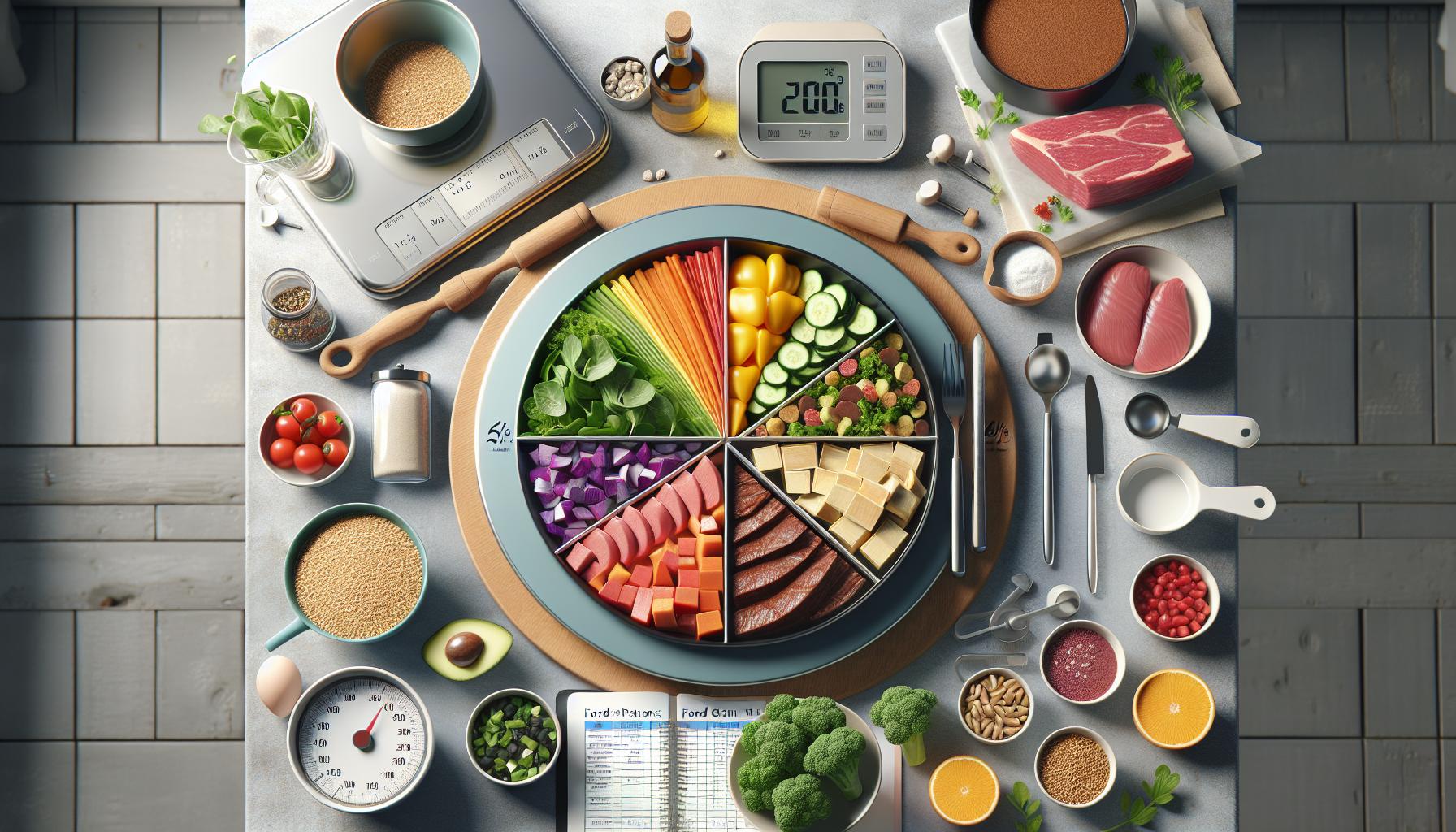
Guiding your understanding of portions is essential for attaining a nutritional balance. Different food groups—like fruits, vegetables, proteins, and grains—should come together to supply a holistic range of nutrients. Knowing how to measure portions helps in achieving this balance. For instance, the USDA’s MyPlate guidelines suggest filling half your plate with fruits and vegetables. Such visual cues not only enhance your nutritional intake but also encourage the consumption of diverse food types, fortifying your body with essential vitamins and minerals.
Encouraging Healthier Choices
Mindful eating advocated by portion control encourages individuals to opt for healthier choices. For example, knowing appropriate sizes can promote the selection of whole grains over refined ones, lean proteins over fatty cuts, and fresh produce over processed snacks. When you focus on the quality of what’s on your plate, you are more likely to adopt healthier cooking methods, such as grilling, steaming, or baking instead of frying.
Moreover, awareness of portion sizes extends beyond just home cooking. Dining in restaurants is another area where misconceptions can lead to excess. As an illustration, a standard cheeseburger might be served in portions that provide nearly double the recommended calorie intake for a single meal. Becoming aware of these discrepancies enables you to make conscious choices, such as sharing meals or opting for appetizers instead of full entrees.

As we explore the intricacies of portion control further, we will delve into practical strategies that can easily be incorporated into daily life. Recognizing the significance of portions can not only transform eating habits but also reshape overall perspectives about food and its role in lifestyle.
DISCOVER MORE: Click here to learn about the power of nature on mental health
Strategies for Implementing Portion Control
Implementing portion control might seem daunting at first, but with the right strategies, it can easily become an integral part of your daily routine. The goal is not merely to restrict what you eat; rather, it is about making informed choices that lead to better health outcomes. To effectively harness the power of portion control, consider these practical techniques:
- Use Measuring Tools: Whether you utilize measuring cups, spoons, or a food scale, these tools can help you accurately gauge serving sizes. Start by measuring standard servings of various foods at home, and then visualize these portions during meals.
- Focus on Visual Cues: A simple way to control portions is to use your dishes as visual aids. For example, filling half of your plate with leafy greens or colorful vegetables helps ensure that you are meeting your nutritional requirements without overindulging.
- Practice Mindful Eating: Slow down and savor your meals. By taking the time to enjoy each bite, you allow your body to signal when it is full. This practice can prevent you from consuming unnecessary calories and foster a healthier relationship with food.
- Portion Out Snacks: It’s easy to mindlessly munch on snacks straight from a family-sized bag. Instead, portion out snacks into smaller containers or bags before indulging, which helps control the amount you consume.
- Pre-Plan Meals: Planning your meals in advance allows you to determine appropriate portions ahead of time. This will also help you avoid the temptation of last-minute unhealthy choices.
Each of these strategies not only aids in adhering to portion sizes but also equips you with the knowledge to better understand your dietary needs. Additionally, it’s essential to recognize the distinction between hunger and appetite. Hunger refers to the physical need for food, while appetite is often influenced by emotional or environmental factors. Developing a deeper awareness of these sensations can further enhance your ability to measure and control portions effectively.
The Role of Education in Portion Control
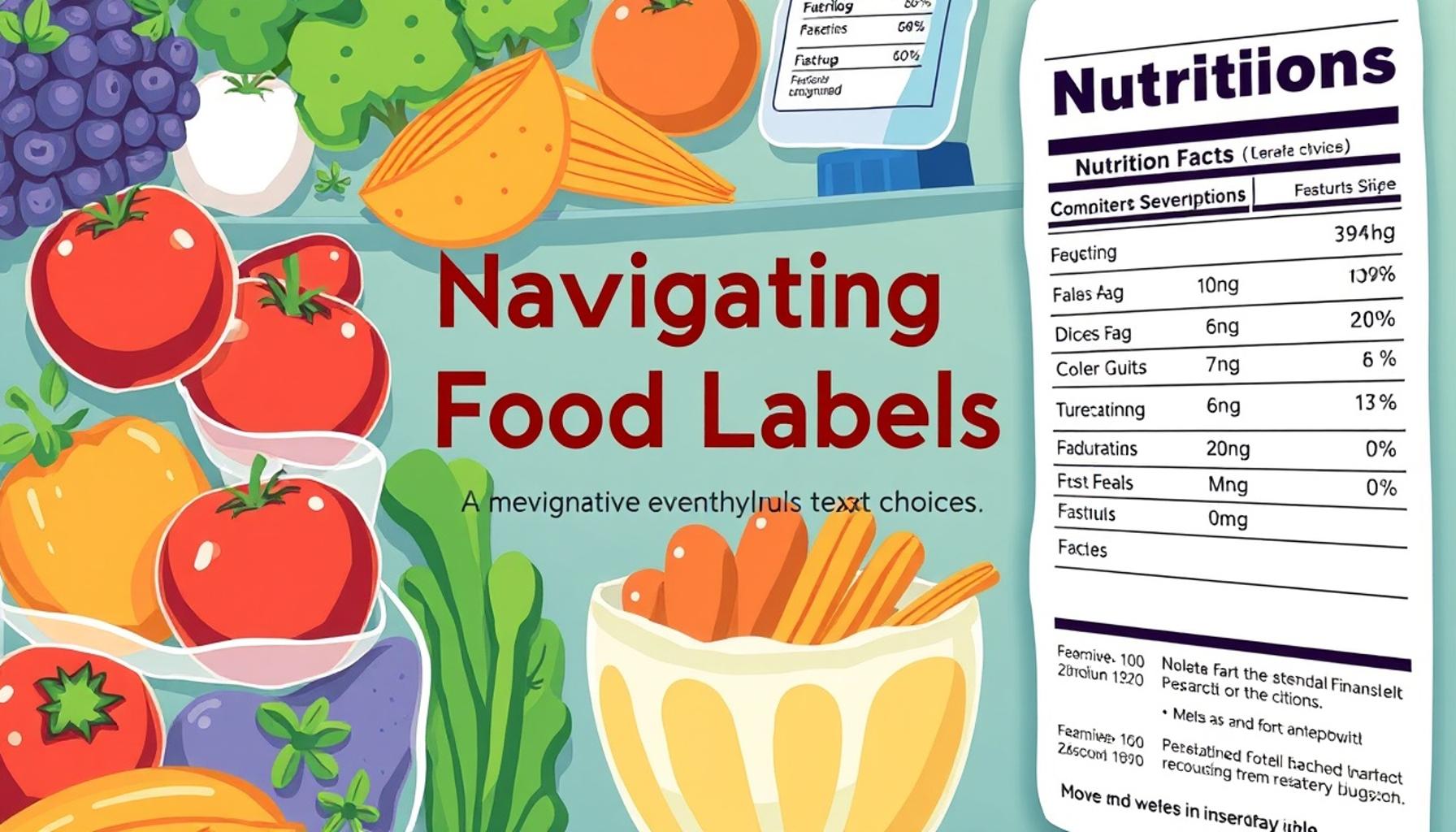
Education plays a crucial role in understanding portion sizes and can empower individuals to make healthy choices. Many people are unaware of what constitutes a standard serving size, leading to unintentionally overeating. To combat this, nutrition education programs and resources are readily available, including the USDA’s MyPlate initiative, which provides illustrative templates to help visualize balanced meals. Furthermore, nutrition labels on packaged foods provide essential information regarding serving size and caloric content, aiding in making informed decisions.
Moreover, engaging with community resources, such as local nutritional workshops or online platforms dedicated to healthy eating, can strengthen your grasp of portion control. These programs often emphasize not only the importance of serving sizes but also the significance of nutrient density, making it easier to prioritize healthier choices.
As we delve deeper into the journey of portion control, it is vital to remember that this practice is about building habits that last a lifetime. Understanding your portions sets the stage for sustainable and enjoyable eating habits that pave the way for overall health and wellness.
| Advantages of Portion Control | Impact on Eating Habits |
|---|---|
| Weight Management | Portion control aids in achieving and maintaining a healthy weight by preventing overeating. |
| Balanced Nutrition | Properly managed portions encourage a variety of food intake, ensuring essential nutrients are consumed. |
| Mindful Eating | Practicing portion control fosters a greater awareness of hunger cues and food choices. |
| Reduced Food Waste | By managing portions, individuals can minimize leftovers and contribute to a more sustainable lifestyle. |
Understanding portion control goes beyond merely reducing the amount of food on your plate; it is integral to adopting sustainable eating habits that positively influence overall health. This practice not only facilitates weight management by preventing overeating but also promotes balanced nutrition by urging individuals to diversify their meals. Additionally, it cultivates a sense of mindful eating, allowing individuals to tune into their body’s hunger signals more effectively. Implementing such measures can lead to considerable benefits, including the reduction of food waste, thus contributing to an eco-friendlier lifestyle. Whether you are a seasoned dieter or just beginning your journey, understanding portion control can significantly reshape your relationship with food and further your goals toward healthy living.
DISCOVER MORE: Click here to enhance your sleep quality
Behavioral Approaches to Reinforce Portion Control
Beyond practical strategies and education, changing behaviors significantly contributes to effective portion control. In psychology, understanding our habits and tendencies can lead us to more conscious eating patterns. Below are several behavioral techniques to enhance portion control:
- Establish Eating Routines: Consistency is vital in molding healthy eating habits. Try to create a structured eating schedule, including designated meal times and healthy snacks. This routine can help your body recognize when to expect food, reducing the need to overcompensate at mealtimes due to lingering feelings of hunger.
- Limit Distractions: Eating while distracted—whether by watching television, scrolling through social media, or working—can lead to overeating. Set aside time to focus on your meal, paying attention to the flavors and textures while being mindful of portion sizes.
- Use Smaller Plates and Bowls: The size of your dishware can have a surprising effect on how much you eat. By opting for smaller plates and bowls, you can control portion sizes without feeling deprived, as they provide a psychological cue that you still have a full meal in front of you.
- Engage in Constructive Conversations: Sharing meals with others can impact how much you consume. Engaging in meaningful conversations during meals fosters a sense of community and enjoyment, which can enhance your overall eating experience. This focus on interaction can reduce the impulse to eat quickly or larger portions.
- Set Goals: It is crucial to establish specific, realistic, and measurable goals for portion control. Whether it’s aiming to fill half your plate with vegetables or sticking to one serving of dessert, having clear objectives will motivate you and keep you accountable.
Studies reveal that people often underestimate the amount of food they consume. A report from the Journal of the Academy of Nutrition and Dietetics highlighted that individuals tend to pour and serve more when using larger containers or plates. Recognizing the psychological aspects of portion distortion is key. Once you are aware of these triggers, you can counteract them with intentional choices and mindfulness.
Cultural Influences on Portion Perception
It’s also important to consider how culture shapes our understanding of portion sizes. In the United States, larger portion sizes have become the norm, especially in restaurants and fast-food settings. A typical fast-food meal may contain several times the recommended serving size, and many people are conditioned to view these portions as standard. Examining cultural influences can shed light on the significance of establishing better eating habits and standards. For example, countries like Japan maintain smaller portion sizes, with a focus on balance and variety.
Altering our perception begins with awareness—by recognizing these cultural norms, we can strive to shift our behavior toward healthier practices. The recent movement promoting smaller portions in restaurants encourages diners to choose smaller servings or share entrees, which can help counter calorie overload often experienced when dining out.
Ultimately, embracing portion control is about fostering self-awareness and making conscientious decisions around food. By employing behavioral strategies and reflecting on cultural factors surrounding food consumption, individuals can navigate their relationship with portions and ultimately cultivate healthier eating habits that last a lifetime.
DISCOVER MORE: Click here for insights on community support
Conclusion: The Path to Healthier Eating Through Portion Control
In conclusion, understanding portion control is a pivotal element in fostering healthy eating habits. As we have explored, effective portion management encompasses a combination of practical strategies, behavioral techniques, and an awareness of cultural influences. By establishing consistent eating routines, minimizing distractions, and utilizing smaller dishware, individuals can enhance their relationship with food and significantly improve their overall nutrition.
Moreover, the psychological factors related to portion distortion illuminate why many people struggle with mindful eating. Awareness of these mental triggers empowers individuals to make informed choices. By engaging in constructive conversations and setting achievable goals, we can build a supportive environment that nurtures healthier behaviors while enjoying meals in the company of others.
As we navigate a landscape filled with large portion sizes and fast food temptations in the United States, it is crucial to reflect upon these societal norms critically. Learning from cultures that prioritize balance, variety, and moderation can inspire us to redefine our eating habits and standards. Initiatives promoting smaller serving sizes in restaurants are encouraging steps toward breaking the cycle of oversized portions.
Ultimately, the journey to healthier eating is not solely about restrictive measures but rather about cultivating awareness and making mindful decisions surrounding food. As we embrace the practice of portion control, we pave the way for sustained wellness and improved quality of life. By taking these steps today, we can build not only a healthier relationship with food but also with ourselves.
Related posts:
Portion Control: Mastering Serving Sizes for a Balanced Diet
Incorporating Superfoods into Your Daily Diet for Optimal Health
Understanding Macronutrients: Balancing Proteins, Fats, and Carbohydrates for a Healthier Diet
Meal Prep Strategies for Busy Lifestyles: Eating Healthy on the Go
Incorporating Superfoods into Your Daily Diet for Optimal Health
Healthy Snacking: Choosing Nutrient-Dense Options to Fuel Your Day

Beatriz Johnson is a seasoned wellness coach and writer with a passion for simplifying the principles of holistic health and balanced living. With over a decade of experience in the wellness industry, she specializes in topics like mindful nutrition, sustainable fitness routines, and mental well-being strategies. Through her work on our website, Beatriz empowers readers to make informed lifestyle choices and cultivate habits that promote lasting harmony in their daily lives.