
Mindfulness Techniques to Reduce Anxiety and Improve Well-Being

Exploring Mindfulness for Inner Tranquility
In today’s world, characterized by unrelenting schedules and a myriad of responsibilities, anxiety often looms as an unwelcome companion. However, integrating mindfulness techniques into daily life can serve as a beacon of hope, guiding individuals toward relaxation and enhanced overall well-being. Amidst the noise of a fast-paced society, finding a pocket of serenity is not just beneficial – it is essential for a healthier mind and body.
At its core, mindfulness is the practice of maintaining a moment-by-moment awareness of our thoughts, feelings, and surroundings. This focus allows you to detach from the past and the future, grounding yourself in the present, which can lead to a greater sense of clarity and reduced anxiety. As you delve into mindfulness, consider the numerous benefits that come with it:
- Enhances emotional regulation – By practicing mindfulness, you develop the ability to recognize your emotions as they surface, which empowers you to respond rather than react. For example, instead of lashing out during a stressful meeting, mindfulness can help you pause, assess your feelings, and respond thoughtfully.
- Increases self-awareness – Self-awareness is crucial in making informed decisions. Mindfulness encourages you to examine your thoughts and emotions closely, fostering an understanding of your behavioral patterns. This can translate into setting clearer boundaries in your personal and professional life.
- Reduces stress levels – Numerous studies indicate that mindfulness practices, such as meditation, can significantly lower cortisol levels. This reduction in the stress hormone correlates with numerous health benefits, including better sleep quality, improved cardiovascular health, and enhanced immune function.
As you embark on your mindfulness journey, be prepared for a rewarding and transformative experience. Techniques such as meditation, which involves focusing on a singular point of reference, or practicing deep breathing exercises, can instill a profound sense of calm even in the midst of chaos. Additionally, how about trying a body scan, a practice that encourages you to focus on different parts of your body sequentially, promoting relaxation and connection with your physical self?
This article aims not only to introduce you to the principles of mindfulness but also to empower you with practical strategies designed to reduce anxiety and build lasting emotional resilience. As you explore these transformative practices, remember that even dedicating just a few mindful moments each day can illuminate your path to mental clarity and emotional stability. Embrace the journey ahead, and discover the profound impact mindfulness can have on your life, one moment at a time.
DIVE DEEPER: Click here to learn about sleep hygiene
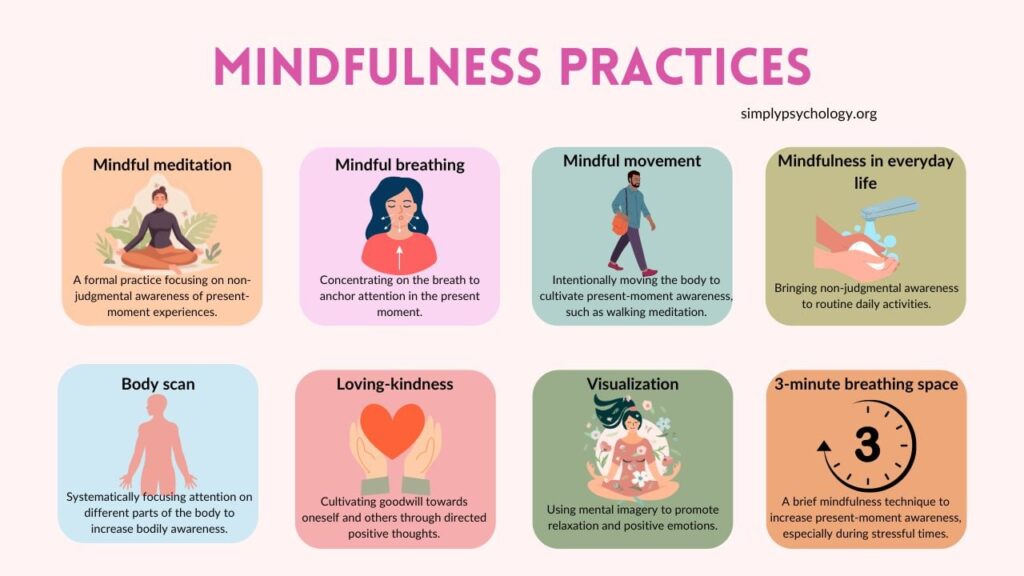
Mindfulness Techniques: Your Gateway to Calmness
Embracing mindfulness techniques can serve as a powerful antidote to the pervasive anxiety many individuals experience in their daily lives. With a wealth of scientific research highlighting its benefits, mindfulness has proven to be more than just a passing trend — it is a sustainable approach to enhancing mental health and overall well-being. By integrating these techniques into your routine, you not only create a buffer against stress but also cultivate a sense of tranquility that permeates every aspect of life.
Among various mindfulness practices, meditation stands out as one of the most popular and accessible techniques. Meditation involves dedicating time to focus your mind, often through breathing exercises, guided imagery, or a mantra. Studies show that even short periods of meditation — just a few minutes a day — can lead to significant reductions in anxiety levels. For beginners, starting with just five to ten minutes of daily meditation can create immediate effects, allowing you to gradually extend your sessions as you grow comfortable with the practice.
Another effective technique is mindful breathing, a fundamental practice that encourages individuals to focus their attention on their breath. This practice can be incredibly beneficial for those who find their thoughts racing during stressful situations. To practice mindful breathing, find a quiet space to sit or lie down comfortably. Close your eyes and inhale deeply through your nose, allowing your abdomen to expand fully. Hold your breath for a moment before exhaling slowly through your mouth. Focusing solely on your breath helps anchor your mind in the present moment, providing an immediate sense of calm.
Additionally, the practice of gratitude journaling can effectively complement your mindfulness journey. By recording moments of gratitude daily, you shift your focus from what causes stress to the positive aspects of your life. This exercise has been linked to enhanced emotional regulation and reduced symptoms of anxiety. Aim to write down three to five things you are grateful for each day. Over time, this will foster a more positive mental outlook, promoting resilience against anxiety triggers.
Incorporating body scan meditation into your routine is another impactful technique to improve well-being. This practice requires you to bring awareness to different areas of your body, slowly scanning from your head to your toes. As you mentally check in with each part, notice any tension or discomfort and consciously relax those areas. This technique not only aids in decreasing physical stress but also enhances the connection between your mind and body, encouraging a holistic approach to mindfulness.
- Short Daily Meditation – Begin with five to ten minutes to gradually build your practice.
- Mindful Breathing – Focus on your breath to stay anchored in the present moment.
- Gratitude Journaling – Write down daily gratitudes to shift your focus to positive aspects of life.
- Body Scan Meditation – Practice awareness of different body parts to release tension and foster relaxation.
As you explore these mindfulness techniques, remember that consistency is key. Integrating them into your daily life can create lasting change, leading to reduced anxiety levels and an enhanced sense of well-being. Each moment spent practicing mindfulness is an investment in your mental health, providing you with the tools needed to navigate challenges with newfound resilience and clarity.
Exploring Mindfulness Techniques
Mindfulness is an ancient practice that has gained modern popularity for its profound impact on mental health. At its core, it encourages individuals to engage with the present moment, promoting a deeper sense of awareness and a significant reduction in anxiety levels. This section dives into specific mindfulness techniques that can effectively diminish anxiety and enhance overall well-being.
1. Mindful Breathing
One of the simplest yet most effective ways to cultivate mindfulness is through mindful breathing. This technique focuses on your breath as a point of focus, allowing thoughts to drift away. By concentrating solely on inhalations and exhalations, you become more grounded. Research shows that this practice can lower levels of the stress hormone cortisol, helping to alleviate anxiety symptoms.
2. Body Scan Meditation
The body scan is another powerful mindfulness technique. It involves mentally scanning your body from head to toe, observing any tension or discomfort without judgment. This practice encourages relaxation and enhances body awareness, which can be especially beneficial for those whose anxiety manifests physically. Studies indicate that consistent practice can foster a greater connection between mind and body, leading to improved emotional regulation.
3. Mindful Journaling
Engaging in mindful journaling allows individuals to express their thoughts and feelings on paper while being present with their emotions. This exercise can clarify thoughts, reduce anxiety, and promote a sense of gratitude. Journaling has been linked to improved mental clarity and emotional processing, providing an outlet for anxious thoughts to transform into productive reflections.
4. Guided Visualizations
Guided visualizations are another effective technique often used in mindfulness practices. This technique involves imagining a peaceful scene or place, which helps to shift the focus away from anxiety-inducing thoughts. Research supports that such visualizations can significantly decrease stress levels and foster a sense of peace and well-being.
5. Mindful Movement
Incorporating mindful movement, such as yoga or tai chi, into your routine can enhance both physical and mental health. These practices encourage a deep connection between mind and body, allowing participants to be fully present. Evidence indicates that engaging in mindful movement can reduce anxiety and improve mood through the release of endorphins.By exploring these techniques, individuals can unlock the potential for improved well-being and emotional resilience. Each practice offers unique benefits, beckoning readers to dive deeper into the world of mindfulness and discover what resonates best with them.
| Mindfulness Technique | Benefits |
|---|---|
| Mindful Breathing | Reduces stress by lowering cortisol levels. |
| Body Scan Meditation | Enhances body awareness and relaxation. |
| Mindful Journaling | Clarifies thoughts and promotes emotional processing. |
| Guided Visualizations | Decreases stress and fosters peace. |
| Mindful Movement | Improves mood through physical activity. |
DON’T MISS OUT: Click here to discover great tips
Exploring Advanced Mindfulness Practices
While the foundational mindfulness techniques discussed earlier are impactful, there exist several advanced practices that can deepen your journey into mindfulness, further assisting in reducing anxiety and enhancing overall well-being. These methods draw from various traditions, offering fresh perspectives and tools to manage stress effectively.
Mindful Movement is a captivating approach that merges physical activity with mindfulness. This practice can encompass yoga, tai chi, or even walking meditation. Engaging in mindful movement encourages synchronization between body and breath, creating a flowing experience that elevates both physical and mental health. Research indicates that activities like yoga can significantly lower levels of the stress hormone cortisol, leading to improved emotional resilience. For those new to mindful movement, starting with gentle yoga classes or beginner tai chi sessions can provide an easy access point to the practice.
Another innovative technique is mindful eating, which helps cultivate awareness around food choices and eating habits. In a world brimming with distractions, it’s easy to fall into the trap of unconscious eating, which can exacerbate anxiety. Mindful eating invites you to engage fully with the experience of eating — from appreciating the flavors and textures of your food to recognizing hunger and satiety cues. Taking the time to savor each bite can not only improve digestion and dietary habits but also foster a more profound sense of gratitude and connection to your meals. Consider setting aside specific times to dine without distractions, contemplating each aspect of your meal.
Nature immersion has emerged as an effective mindfulness technique in recent years, particularly beneficial amid the fast-paced lives many lead. Studies reveal that spending time in nature significantly lowers anxiety levels and boosts mood. This can involve simple acts like going for a walk in a park, hiking, or even gardening. The practice encourages individuals to connect to the natural environment, providing a calming aura that instills peace. Try incorporating short nature breaks into your day, ranging from five minutes to an hour, allowing the beauty of the outdoors to offer solace and rejuvenation.
Engaging in mindfulness-based stress reduction (MBSR) programs is another avenue worth exploring. Developed by Dr. Jon Kabat-Zinn, MBSR blends mindfulness meditation and yoga principles into an eight-week program designed to mitigate stress and cultivate awareness. Numerous studies highlight its effectiveness, showcasing significant improvements in anxiety and general mental health. Participants can gain tools to approach their challenges with more clarity and calmness. Many local health organizations and wellness centers across the U.S. offer MBSR courses, making this a viable option for those looking to deepen their practice.
- Mindful Movement – Engage in practices like yoga or tai chi to blend physicality with mindfulness.
- Mindful Eating – Center your attention on the eating experience for improved dietary habits and appreciation.
- Nature Immersion – Spend time outdoors to reduce anxiety and enhance mood.
- Mindfulness-Based Stress Reduction (MBSR) – Participate in programs focused on meditation and stress relief for ongoing support.
These advanced mindfulness techniques serve not only to alleviate symptoms of anxiety but also to foster a more comprehensive understanding of yourself and your environment. As you delve into these practices, you will likely discover new facets of resilience and well-being that enhance your capacity to deal with life’s challenges. The journey into mindfulness is personal, dynamic, and deeply rewarding, offering endless opportunities for growth and self-discovery along the way.
DISCOVER MORE: Click here to uncover the benefits of flexibility in your routine</
Conclusion
In the fast-paced world we inhabit, the significance of mindfulness techniques in reducing anxiety and enhancing overall well-being cannot be overstated. As we’ve explored, various methods—from foundational practices like meditation and deep breathing to more advanced approaches such as mindful movement and nature immersion—offer powerful tools for individuals seeking tranquility amidst chaos. Each technique encourages personal exploration, urging practitioners to cultivate a deeper connection with themselves and their environments.
Moreover, implementing mindful eating can transform one’s relationship with food, enabling conscious eating habits that contribute to physical health and emotional balance. The efficacy of Mindfulness-Based Stress Reduction (MBSR) has been substantiated by numerous studies, providing a structured path for those looking for comprehensive support in managing anxiety.
As you embark on or deepen your mindfulness journey, keep in mind that these practices are not mere quick fixes but rather lifelong skills that require commitment and exploration. The art of mindfulness invites you to embrace the present moment, allowing you to tackle life’s challenges with clarity and calmness.
As we become increasingly aware of the mental health crisis affecting many in the United States, integrating these mindfulness techniques into daily life is more crucial than ever. The transformative power of mindfulness can illuminate the path to a more balanced and fulfilling existence, one breath at a time. Embrace these techniques, invest time in your well-being, and watch as your understanding of anxiety, stress, and vitality evolves in promising ways.
Related posts:
Breathing Exercises: A Simple Approach to Alleviating Stress
The Art of Breathing: Breathing Techniques to Reduce Stress Daily
Mindful Eating: How a Balanced Diet Can Help Manage Stress
Mindful Eating: How Nutrition Affects Stress Levels
The importance of meditation in stress management: techniques to incorporate into daily life
The role of healthy eating in reducing stress and promoting well-being

Beatriz Johnson is a seasoned wellness coach and writer with a passion for simplifying the principles of holistic health and balanced living. With over a decade of experience in the wellness industry, she specializes in topics like mindful nutrition, sustainable fitness routines, and mental well-being strategies. Through her work on our website, Beatriz empowers readers to make informed lifestyle choices and cultivate habits that promote lasting harmony in their daily lives.