Building a Balanced Plate: Understanding Portion Control and Macronutrients
The Importance of Building a Balanced Plate
In today’s fast-paced world, understanding how to build a balanced plate is more important than ever. Many individuals find themselves overwhelmed by the plethora of dietary information available, leading to confusion about what constitutes a healthy meal. However, at the core of effective eating habits are two fundamental elements: portion control and macronutrients. Grasping these key concepts can significantly impact one’s health and well-being.
Deciphering Portion Control
Portion control plays a vital role in managing how much we eat, which directly affects our energy intake and body weight. In the United States, research indicates that portion sizes have increased dramatically over recent decades. For instance, a typical serving of pasta has grown from a modest half-cup to nearly two cups at many restaurants. This change contributes to the rising rates of obesity and related health complications. By being mindful of portions, individuals can better regulate their caloric intake and avoid the pitfalls of overeating.
Understanding Macronutrients
Macronutrients consist of carbohydrates, proteins, and fats—each playing a unique role in maintaining health.
- Carbohydrates: Often misunderstood, carbohydrates are essential for providing immediate energy. They are found not only in obvious sources such as pasta, bread, and rice but also in fruits, vegetables, and whole grains, which offer additional nutrients and fiber.
- Proteins: Essential for tissue repair, muscle growth, and overall bodily functions, proteins can be sourced from a variety of foods, including lean meats, fish, eggs, beans, and legumes. Incorporating a variety of protein sources can also support a more balanced diet.
- Fats: Healthy fats are crucial for hormone production, brain health, and cellular function. Sources like avocados, nuts, seeds, and olive oil provide these healthy fats while also delivering essential nutrients.
Finding the Right Balance
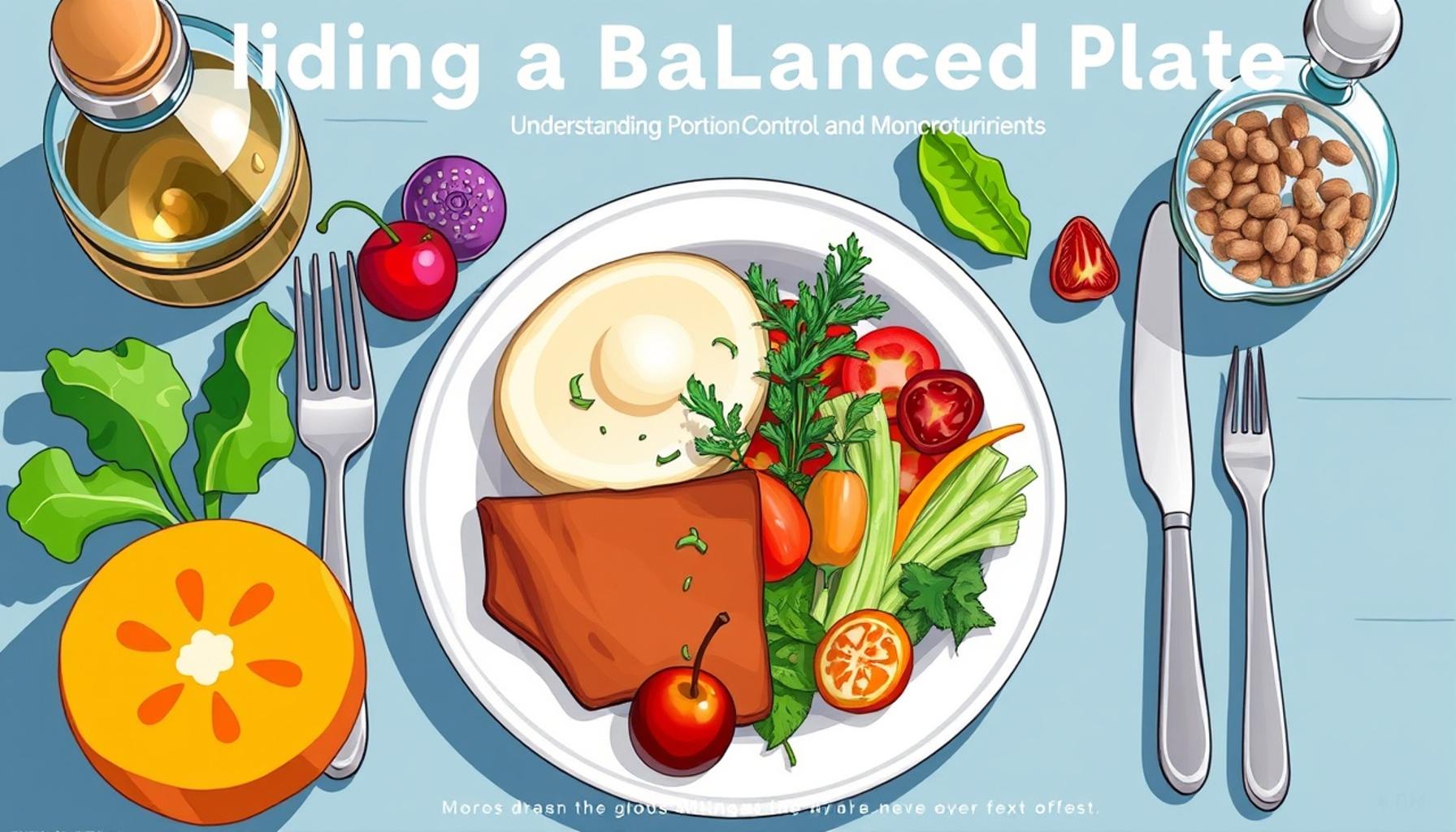
Creating a balanced plate isn’t just about knowing the right foods to include; it involves an appreciation for the right proportions. The general guideline encourages filling half your plate with fruits and vegetables, one quarter with lean proteins, and the remaining quarter with whole grains. This balance ensures that your body receives a wide array of essential nutrients while keeping caloric intake in check.
By combining awareness of macronutrients with effective portion control, individuals can make healthier choices that promote lasting well-being. Moreover, it is crucial to remember that this journey is highly personal and can vary from person to person. Factors such as age, gender, activity level, and specific health needs all play a significant role in developing one’s unique dietary requirements.
As we delve deeper into the components of a balanced plate, you’ll uncover practical tips and strategies to implement this knowledge in day-to-day life. Transitioning to a healthier diet may seem daunting at first, but empowered with the right information, you can cultivate habits that not only enhance your health but also enrich your overall quality of life.
LEARN MORE: Click here to discover the benefits of exercise on mental health
Decoding the Dynamics of Portion Control
Portion control is more than simply knowing how much food is on your plate; it is a pivotal part of fostering healthy eating habits and avoiding the detrimental effects of overeating. In modern society, where “super-sized” meals become the norm, the challenge lies in recalibrating our perceptions of serving sizes. A study by the National Institutes of Health has shown that increasing portion sizes correlate with increased caloric intake, leading directly to the obesity epidemic we face today. To navigate this landscape, understanding and applying effective portion control techniques becomes essential.
One practical method of mastering portion sizes is the visual approximation technique. For example, using your hand as a serving guide can be incredibly effective. A serving of protein should roughly match the size of your palm, while carbohydrates can be the size of your fist. Vegetables, being lower in calories and high in nutrients, can cover half your plate without worry—a visual cue that promotes awareness and minimizes excess.
Exploring Macronutrients: The Foundation of Nutrition
When discussing a balanced plate, one cannot overlook the importance of macronutrients: carbohydrates, proteins, and fats. Each plays a vital role in fueling the body, repairing tissues, and supporting overall health. The intricacies of these components are often misunderstood, yet understanding them is key to effective meal planning.
- Carbohydrates: Often branded as the enemy in various diets, carbohydrates are indeed indispensable for energy. They are particularly crucial for anyone leading an active lifestyle. Incorporating whole grains, such as brown rice and quinoa, as well as fruits and vegetables can ensure you are not only getting energy but also necessary vitamins, minerals, and fiber.
- Proteins: As the building blocks of the body, proteins are vital for muscle repair and overall functionality. Incorporating lean sources—such as chicken, turkey, and fish, as well as plant-based options like lentils and chickpeas—can help meet your daily protein needs while ensuring a balanced intake.
- Fats: The right kinds of fats contribute significantly to optimal health. Omega-3 and omega-6 fatty acids, which can be found in fatty fish, flaxseeds, and walnut oils, support brain health and hormone production. Moderation is key, as healthy fats should complement your diet, not overwhelm it.
In exploring these macronutrients, integrating the right balance into meals becomes apparent. The widely accepted guideline of filling half your plate with fruits and vegetables, one quarter with lean proteins, and one quarter with whole grains serves as a straightforward foundation for creating balanced meals. This division ensures that all macronutrient categories are represented, promoting a wider range of essential nutrients while adhering to portion control principles.
As you familiarize yourself with the intricacies of portion sizes and macronutrient composition, you’ll find it easier to make informed food choices. Whether you are planning meals for the week or navigating a restaurant menu, incorporating these principles can combat nutritional confusion and pave the way for sustainable health and well-being.
Building a Balanced Plate: Understanding Portion Control and Macronutrients
As we delve into the essential aspects of food consumption, it’s crucial to grasp the concept of macronutrients and how they contribute to a well-rounded diet. Understanding macronutrients—proteins, carbohydrates, and fats—allows individuals to tailor their diets more effectively to meet specific health goals.
The foundation of a balanced plate lies in not just the types of food consumed but also in the portion sizes. This approach promotes awareness of what and how much we eat, which can significantly impact overall well-being.
| Macronutrient Categories | Key Characteristics |
|---|---|
| Proteins | Essential for muscle repair and growth, proteins help maintain a healthy weight by enhancing satiety. |
| Carbohydrates | The body’s primary energy source; complex carbs provide sustained energy while regulating blood sugar levels. |
| Fats | Necessary for vitamin absorption and growth; healthy fats support brain function and reduce inflammation. |
Incorporating these macronutrients into one’s diet not only supports bodily functions but also aids in achieving portion control. This understanding encourages mindful eating habits, ultimately promoting a healthier lifestyle that can lead to better long-term health outcomes.
As you learn to balance your plate, consider keeping a food diary to track what you eat. This practice can illuminate patterns in your eating habits and help refine your understanding of your body’s unique nutritional needs. Remember that building a balanced plate is more than just a diet; it’s a pathway to nutritional enlightenment.
DISCOVER MORE: Click here to enhance your well-being
Navigating Food Labels: The Key to Informed Choices
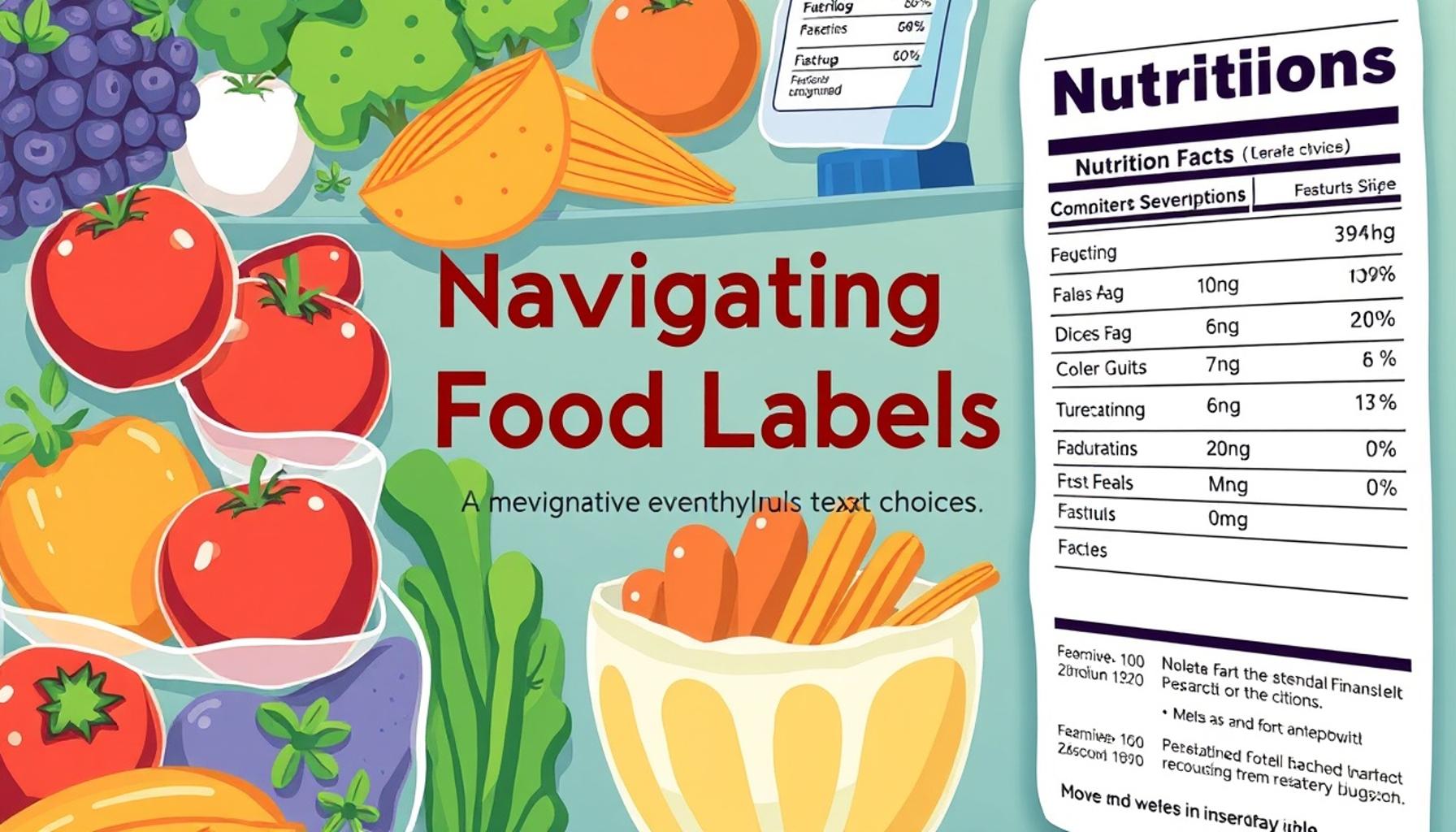
In a world filled with nutritional misinformation and marketing tactics that often mislead consumers, understanding food labels becomes a crucial skill in achieving portion control and balanced macronutrient intake. Food labels provide comprehensive information on serving sizes, caloric content, and the macronutrient breakdown of products. By mastering how to read these labels, you can make informed decisions that align with your dietary needs and health goals.
First and foremost, pay attention to the serving size indicated on the nutrition label. This figure serves as a guideline, as manufacturers may select larger portion sizes than what most individuals would realistically consume. A quick comparison can reveal discrepancies. For instance, many snack foods might advertise a serving size of just a handful of chips, but in reality, most people consume multiple servings in a single sitting. By adhering to these serving sizes and measuring out portions, you can significantly reduce your caloric intake.
Additionally, scrutinizing the macronutrient composition allows you to calibrate your meals in accordance with your personal health objectives. Consider goals such as weight loss, muscle gain, or maintaining overall health. A label that highlights high-quality, balanced macronutrients—particularly rich protein and fiber, along with complex carbohydrates—can guide you to choose healthier options. For instance, opting for a product with at least 3 grams of fiber per serving is a beneficial way to enhance satiety, ultimately aiding in portion control.
The Influence of Mindful Eating
While understanding portion sizes and food labels is essential, mindful eating practices can amplify these efforts. This approach encourages a deeper awareness of your food choices, textures, and flavors, allowing you to recognize when you are truly satisfied. Engaging in mindful eating can dismantle the habits of distracted eating often compounded by busy lifestyles or media consumption during meals.
Here are a few practical tips for incorporating mindful eating into your daily routine:
- Slow Down: Allow yourself to savor each bite. Chewing your food slowly not only enhances flavor but also promotes digestion, allowing your brain to catch up with your stomach regarding fullness cues.
- Remove Distractions: Eating without the distraction of phones, televisions, or multitasking activities can heighten your awareness of your food intake and portion sizes.
- Check In with Yourself: Throughout your meal, ask yourself if you’re still hungry or if you’re eating out of habit. This practice fosters a connection between your mind and body, leading to better portion management.
Utilizing Technology for Better Tracking
In this digital age, numerous apps and devices can assist with portion control and nutrition tracking. Apps such as MyFitnessPal and Lose It! can help you log your food intake while providing insights into your macronutrient ratios. By inputting your meals, you can receive real-time feedback on whether you are adhering to your desired balance of carbohydrates, proteins, and fats. This feedback not only promotes accountability but also allows for necessary adjustments in your meal planning.
Adopting these tools in combination with a thorough understanding of portion control and macronutrient composition can serve as a powerful foundation for healthy eating. It encourages informed choices and promotes a balanced plate, setting the stage for improved overall health and well-being. In an era saturated with food choices, these strategies can help you navigate your way toward a healthier lifestyle, one meal at a time.
DIVE DEEPER: Click here to learn how your diet can impact your sleep
Wrapping Up: The Path to a Balanced Plate
In conclusion, building a balanced plate involves more than just knowing which foods to eat; it encompasses a comprehensive understanding of portion control and macronutrients. As we navigate a food landscape awash with choices, the skills we’ve explored—how to read food labels, implement mindful eating, and leverage technology—are essential tools for making conscious dietary decisions. These practices are pivotal in shaping our relationship with food and can lead to sustained health and well-being.
The importance of serving sizes cannot be overstated; they guide our intake and help prevent overconsumption, a critical aspect in weight management and overall health. Furthermore, having a clear grasp of the macronutrient composition enables us to tailor our meals to fit our individual health goals, whether that be cultivating muscle, losing weight, or simply enhancing our vitality.
Mindful eating serves as a beautiful complement to these strategies, urging us to listen to our body’s hunger cues and engage with our food on a deeper level. In doing so, we learn to appreciate not just the nutritional value of our meals, but also the experience of eating itself.
As you embark on this journey of creating a balanced plate, remember that knowledge is power. Continue to explore, educate yourself, and apply these principles daily. The ability to control portions and understand macronutrient balance empowers you to make healthier choices that will pave the way for a more vibrant, health-conscious life.
Related posts:
Mindful Eating: Strategies to Enhance Your Relationship with Food
The Importance of Hydration: Tips for Drinking More Water Daily
Portion Control: Mastering Serving Sizes for a Balanced Diet
Exploring Plant-Based Diets: Simple Recipes for a Healthier Lifestyle
Mindful Eating: How to Cultivate a Healthy Relationship with Food
The Role of Fiber: How to Increase Your Intake for Digestive Health

Beatriz Johnson is a seasoned puzzle enthusiast and writer with a passion for unraveling the complexities of mind games and brain teasers. With over a decade of experience in the world of puzzles, she specializes in topics like logic games, riddles, and strategic challenges. Through her work, Beatriz empowers readers to sharpen their problem-solving skills, think creatively, and stay engaged in the ever-evolving landscape of mind games and puzzles.