
Managing Daily Tasks with Technology
The pace of modern life can often feel like a whirlwind of commitments and responsibilities, leaving many individuals grappling with the challenge of prioritizing their daily tasks. In the face of such chaos, technology shines as a beacon of hope, offering a diverse range of innovative solutions designed to streamline our organizational efforts and boost productivity.
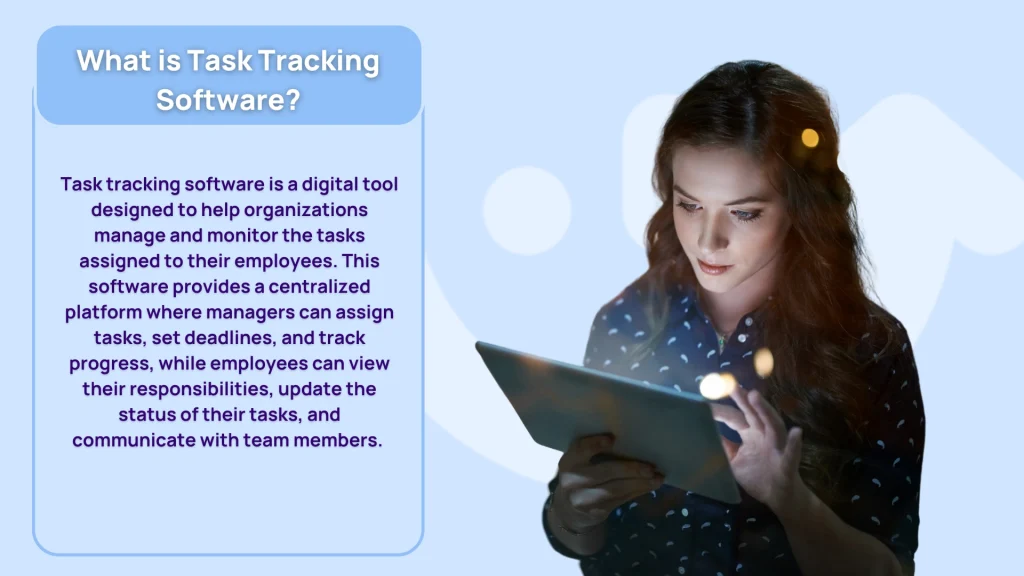
One of the most significant advancements in this arena is the proliferation of applications and tools that enable users to efficiently manage their time and responsibilities. These technological aids are not merely conveniences; they are transformative solutions that can profoundly impact our daily routines. Let’s delve into some of the standout features these tools typically offer:
- Task Management: Modern applications allow users to easily create, edit, and schedule tasks. This feature often includes customizable lists, enabling individuals to categorize tasks by project, urgency, or due date. For example, a student might use a task management app to juggle assignments from various courses while a working professional could prioritize work-related projects alongside personal errands.
- Reminders: Setting reminders is an essential feature for staying organized. Many apps offer customizable alert systems, sending notifications at optimal times to ensure critical tasks are not overlooked. Picture this: a busy parent might receive reminders for grocery shopping or picking up children from school, making it easier to keep life running smoothly.
- Collaboration: In our increasingly interconnected world, collaboration is key. Many productivity tools allow users to share tasks and projects with family members or co-workers. This functionality can be a game-changer for team projects or family activities, facilitating communication and collective accountability.
Among the most popular tools available today are Todoist, Trello, and ClickUp. Each platform is designed with user-friendly interfaces that cater to varying needs and preferences. For instance, Trello utilizes a card-and-board system that visually organizes tasks, making it especially appealing for visual thinkers. On the other hand, ClickUp offers extensive customization options, allowing for comprehensive task tracking and project management suited for complex workflows.
Integrating these technological solutions into our daily lives can significantly streamline routines, reduce stress, and improve overall productivity. By adopting effective tools for organization, individuals can experience a sense of control over their schedules, paving the way for better time management. As technology continues to evolve, the ability to balance tasks efficiently promises not just efficiency but also a more fulfilling life where individuals can thrive amidst their busy schedules.
In conclusion, the right apps and tools can make a substantial difference in how we manage our daily responsibilities. Exploring different options and discovering the features that best suit your lifestyle can unlock new levels of productivity, helping you navigate your day with greater ease and less stress.
Choosing the Right Tools for Effective Task Management
With a multitude of options available, selecting the right apps and tools to prioritize daily tasks can seem daunting. However, understanding what features to look for can help individuals make informed decisions that cater to their unique needs. When evaluating task management solutions, there are several key criteria to consider:
- User Interface: A clean, intuitive interface allows for quick navigation without overwhelming users. Applications like Todoist prioritize simplicity, making it easy for users to create and modify tasks without unnecessary confusion.
- Platform Compatibility: The most effective task management tools function seamlessly across various devices, including smartphones, tablets, and desktops. This compatibility ensures that users can access their tasks whenever and wherever necessary.
- Integrations: Many productivity tools offer integrations with other applications, such as calendars and email services. This feature is invaluable for streamlining tasks and keeping everything synchronized. For example, integrating a task manager with Google Calendar can automatically visualize deadlines and appointments in one place.
- Analytics and Insights: Some advanced tools provide analytics features that track performance over time. Insights into completed tasks or productivity trends can help users adjust their strategies accordingly, enhancing their ability to focus on what’s truly important.
- Customization Options: The ability to customize lists, labels, and workflows can make a significant difference in how effectively a tool meets an individual’s needs. For example, ClickUp allows users to tailor their workspace to match their specific project requirements, which can be especially beneficial when managing multiple tasks across differing contexts.
As we delve deeper into popular tools, it’s essential to acknowledge their distinct capabilities. For instance, while Trello excels in providing a visual approach to task organization through its board and card system, Asana stands out for its robust project management features that help teams collaborate effectively. Additionally, apps like Notion combine note-taking, task management, and database features in a versatile platform that appeals to both individual users and teams.
The compatibilities of these tools enable users to streamline not just their generic tasks but also specific workflows tailored for specific careers or life styles. For instance, freelancers may find that apps with strong invoicing and payment tracking features enhance their productivity, while students might prioritize applications that allow for detailed scheduling and deadline tracking.
Ultimately, leveraging the right technology to prioritize daily tasks is about identifying personal preferences and aligning them with the most suitable tools available. As organizations and social norms evolve, so too does the need for efficient task management solutions that can keep up with the demands of contemporary living in the United States.
| Category | Description |
|---|---|
| Task Management Apps | These platforms help users organize, prioritize, and track their daily tasks effectively. |
| Enhanced Productivity | Task management apps can increase efficiency by allowing users to categorize tasks, set deadlines, and receive reminders, ensuring nothing is overlooked. |
| Collaboration Tools | Facilitate communication and project tracking among teams. |
| Streamlined Communication | Collaboration tools enhance teamwork by enabling real-time updates and feedback, minimizing delays and misunderstandings. |
In a world driven by technology, leveraging apps and tools for prioritizing daily tasks has become essential for managing time effectively. The various options available cater to different needs, enabling users to reclaim their focus and enhance productivity. Notably, task management applications allow individuals to clearly visualize their workload through features like categorization and deadline tracking, making it easier to stay organized. Moreover, collaboration tools simplify project management by facilitating seamless communication among team members, which can help avoid bottlenecks caused by poor info flow. As individuals employ these technological solutions, they not only handle daily tasks more proficiently but also streamline their workflow, driving overall success in both personal and professional spheres.
Unlocking Productivity with Specialized Tools
In today’s fast-paced world, where distractions are abundant and the pressure to perform is high, having the right apps and tools for prioritizing daily tasks can make all the difference. Beyond the standard task management features, many applications offer unique functionalities that cater to specific needs, enhancing productivity in both personal and professional environments.
One such tool is Evernote, renowned for its note-taking capabilities. More than just a digital notebook, Evernote combines task management and idea organization, allowing users to capture thoughts and tasks in various formats—text, images, and audio. This versatility is especially beneficial for students and professionals alike who need to keep track of a cacophony of ideas and multitask seamlessly. For anyone who often finds themselves drowning in an ocean of notes, Evernote’s tagging system and powerful search feature allow for quick retrieval, generating clarity amidst chaos.
For those in creative or collaborative fields, tools like Monday.com and Basecamp focus on team productivity. These platforms go beyond individual task lists to enable collaboration on projects with features such as file sharing, real-time updates, and timelines. With built-in communication channels, they eliminate the need to juggle multiple apps, allowing teams to prioritize tasks collectively and stay aligned on goals. In companies where teams may be spread across different states or time zones, the ability to visualize projects in one unified space can lead to marked improvements in workflow efficiency.
It’s essential to recognize the role of automation in elevating productivity. Apps like If This Then That (IFTTT) offer users the ability to create automation workflows that connect different applications. For instance, you could set a rule that automatically saves email attachments to a designated folder in the cloud, thereby reducing manual tasks and enhancing organization. Such tricks can vastly simplify daily tasks and free up time for planning and actual execution of priorities.
The rise of mobile technology has also given birth to a new genre of productivity apps designed for on-the-go users. Applications such as Any.do and Microsoft To-Do are now integral to daily life, allowing users to manage tasks efficiently through voice inputs or quick swipes. These apps enable seamless transitions between personal and professional tasks and provide reminders that help users stay on track, making it easier to fit productivity into hectic schedules.
In the context of education, students can leverage tools like Todoist for Students or Google Keep to manage assignments, lectures, and study schedules. Known for their simplicity, these apps facilitate the tracking of tasks and deadlines, which is invaluable for staying organized amidst rigorous academic demands. The capabilities of Google Keep allow students to capture important information through notes and lists, while Todoist aids in breaking down large assignments into manageable sub-tasks, promoting a more systematic approach to workload management.
Moreover, the growing incorporation of AI-driven features is shaping how users approach daily task prioritization. Some applications now offer enhanced recommendations based on user habits, predicted productivity peaks, and even suggest optimal times to tackle certain tasks. This level of intelligence transforms traditional task management into personalized experiences, enabling users to strategize more effectively and make informed decisions based on past behaviors.
In this evolving landscape, it becomes clear that selecting the right technology is not merely about basic task management; it’s an opportunity to streamline workflows, enhance collaboration, and optimize personal performance in a world where efficiency is crucial. With the right tools at their disposal, users can elevate their daily experience and match their productivity with the demands of contemporary life in the United States.
DIVE DEEPER: Click here to learn more
Embracing the Future of Productivity
As we navigate the complexities of modern life, the importance of effective task prioritization cannot be overstated. With an ever-growing array of apps and tools designed to enhance productivity, users can truly harness the power of technology to streamline their daily routines. The multitude of options available—from the organizational prowess of Evernote to the collaborative functionalities of platforms like Monday.com and Basecamp—provides avenues for individuals and teams alike to maximize efficiency and focus on what truly matters.
Moreover, the integration of automation through applications such as If This Then That (IFTTT) highlights a trend where repetitive tasks can be minimized, allowing for more time to engage in meaningful activities. The rise of mobile productivity apps like Any.do and Microsoft To-Do underscores a shift towards dynamic lifestyles where individuals can adapt to their busy schedules without sacrificing organization.
Students can also benefit significantly from educational tools that facilitate efficient learning and task management. By utilizing Todoist for Students or Google Keep, they can navigate academic challenges more effectively, ensuring that they remain organized amidst the pressures of their education.
In conclusion, as we embrace a new era of AI-driven task management and mobile connectivity, the pursuit of productivity becomes ever more personalized and effective. Investing time in exploring and leveraging these technological solutions can empower users to take control of their daily lives, align their priorities, and ultimately achieve their goals with greater ease. As we look to the future, one thing is clear: the right tools can transform how we manage tasks, making us not just more productive, but more fulfilled in our daily endeavors.

Linda Carter is a writer and productivity and personal organization specialist focused on helping readers build better routines, manage their time, and stay on top of daily priorities. With experience covering practical planning methods, habit-building strategies, and tools for organization, Linda shares actionable guidance on our platform. Her goal is to empower readers with clear, realistic tips to work smarter, reduce overwhelm, and stay consistent over time.