The Psychology Behind Brain Teasers: How They Stimulate the Brain
The Cognitive Dance of Problem Solving
Brain teasers represent a unique intersection of entertainment and cognitive science. They challenge us to think critically, creatively, and strategically, pushing the boundaries of our cognitive abilities. When faced with a seemingly insurmountable riddle or a tricky math problem disguised as a puzzle, our brains engage in a vibrant dance of neural pathways, lighting up in exciting ways.
Key Features of Brain Teasers
- Active Engagement: Solving brain teasers demands active mental participation. Unlike passive forms of entertainment, such as watching television, these puzzles require us to roll up our sleeves and dive into complex reasoning.
- Cognitive Flexibility: The best brain teasers require us to step outside conventional thought patterns. For example, a classic riddle might state something straightforward but twist the meaning, compelling the solver to reconsider their initial assumptions. This flexibility in thinking is crucial not only for solving puzzles but also for navigating life’s intricate challenges.
- Memory Use: Many brain teasers hinge on our ability to recall information. This could be simple facts, like mathematical formulas, or previous puzzle strategies. For instance, solving a Sudoku often requires recalling the strategies from earlier puzzles as well as understanding the specific constraints of the current grid.
Numerous studies suggest that consistently tackling brain teasers can enhance various cognitive functions. This includes improved memory, where memory exercises can help maintain cognitive vitality as we age, increased attention span, which is beneficial in our distraction-filled world, and heightened problem-solving abilities that are essential in almost every aspect of life. Each of these cognitive skills influences both our professional endeavors and personal relationships.
Why Do We Love Them?
- Challenge: Brain teasers stimulate not just our minds but also our sense of adventure. They provoke curiosity, where we find ourselves eagerly seeking to dissect the complexity of a problem. This innate quest for challenge is deeply rooted in human psychology.
- Satisfaction: There is a profound sense of achievement that comes from solving a brain teaser. This satisfaction is accompanied by a release of dopamine, which can create a rewarding cycle that encourages us to tackle even more puzzles.
- Social Connection: Sharing brain teasers fosters collaboration and camaraderie. Engaging friends or family members in solving these interesting problems together can strengthen bonds and create memorable experiences. Platforms like escape rooms and puzzle competitions have emerged as a popular pastime, illustrating our desire for teamwork in problem-solving.
As we explore the impact of brain teasers further, we uncover their role as crucial tools in enhancing mental agility and resilience. They are not merely entertainment; they are avenues for mental fitness that contribute significantly to our everyday lives. By understanding the profound relationship between these puzzles and cognitive development, we may cultivate a newfound appreciation for their intricate power. This awareness could inspire many to incorporate brain teasers into their daily routines, leading to enhanced cognitive function and enriched personal growth. So the next time you encounter a puzzling riddle, consider it an opportunity to expand your mind in more ways than one.
DISCOVER MORE: Click here to learn how brain teasers can enhance team collaboration
The Mechanisms of Mental Stimulation
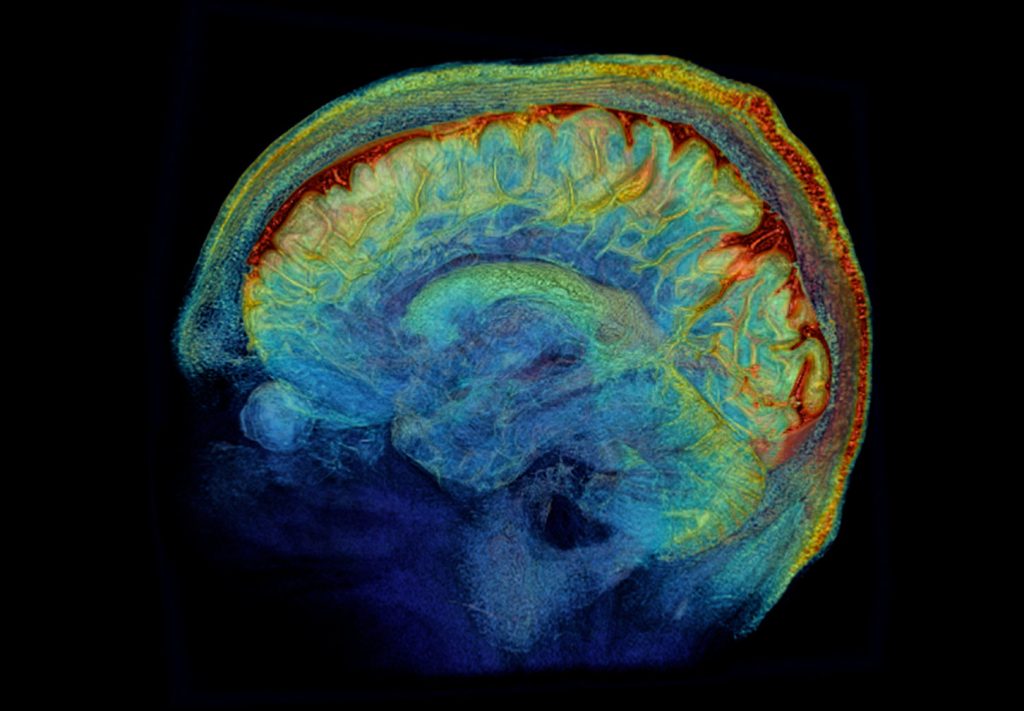
The brain operates through a complex web of neurons, and when we engage in activities such as brain teasers, we activate these neurons in exhilarating ways. Neuroplasticity, the brain’s remarkable ability to reorganize itself by forming new neural connections throughout life, is a fundamental player in how we benefit from puzzles. Each time we encounter and tackle a brain teaser, we are training our brains, strengthening the pathways that facilitate critical thinking and problem-solving.
Engaging Different Cognitive Functions
What makes brain teasers particularly valuable is their capacity to engage multiple cognitive functions simultaneously. Here are some noteworthy aspects:
- Logical Reasoning: Many puzzles require us to apply logic and deduction, challenging our ability to make inferences based on given information. This logical reasoning can sharpen skills needed for real-life decision-making, from professional scenarios to personal dilemmas.
- Pattern Recognition: Recognizing patterns is an essential cognitive skill nurtured by brain teasers. Whether it involves numerical sequences, word riddles, or visual puzzles, honing this skill translates into enhanced capability in fields like mathematics, science, and even art—where pattern recognition is critical.
- Cognitive Endurance: Persisting through the challenges presented by brain teasers develops mental stamina. It encourages us to stay focused and dedicated, skills that prove useful when confronting more extensive tasks or stressful situations in everyday life.
Moreover, studies indicate that individuals who routinely engage with brain teasers can experience a boost in overall cognitive health. A research study from the University of California, Los Angeles, found that older adults who frequently participated in mentally stimulating activities displayed a significantly lower rate of cognitive decline. This reinforces the idea that not only young minds, but the aging population can benefit immensely from the regular engagement of brain teasers.
The Therapeutic Aspect of Puzzles
Exploring the psychological dimensions of brain teasers also unveils their therapeutic potential. Many individuals incorporate brain puzzles into their self-care routines, utilizing them as a method to reduce stress and enhance mood. Engaging in brain teasers can offer a form of mental escape, allowing us to immerse ourselves in a task that diverts attention from daily stressors. The focus required to solve these puzzles can serve as a form of mindfulness, fostering a state of mental clarity and calmness.
Additionally, some mental health professionals recommend brain teasers and similar activities to help individuals cope with conditions like anxiety and depression. The act of problem-solving can bolster self-efficacy, providing a tangible sense of achievement, particularly in environments where one may feel stuck or overwhelmed. Thus, brain teasers become a simple yet effective tool for supporting emotional well-being.
As we delve deeper into the fascinating intersection of psychology and brain teasers, it becomes evident that these puzzles are more than mere entertainment. They capture a wealth of cognitive and emotional benefits that can significantly enhance our cognitive agility and mental resilience. By incorporating them into daily routines, individuals may uncover broader intellectual and emotional rewards, transforming challenges into opportunities for growth.
| Advantages | Details |
|---|---|
| Cognitive Development | Brain teasers enhance problem-solving skills and critical thinking, pushing individuals to think outside the box. |
| Mental Agility | Engaging in brain teasers can improve speed of thought and adaptability, making the brain more flexible in handling new information. |
| Memory Enhancement | Working through puzzles challenges memory retention and recall, which are vital for daily tasks and learning. |
| Stress Reduction | Tackling brain teasers can serve as a form of mental exercise, providing a therapeutic escape from everyday stressors. |
The psychology behind brain teasers reveals their unique ability to stimulate the brain by engaging various cognitive functions. For instance, the cognitive development that arises from solving these puzzles helps individuals improve their analytical skills and challenges their existing thought processes. Furthermore, the enhanced mental agility gained through regular engagement with brain teasers prepares the mind for rapid changes and unexpected situations in real life. Moreover, brain teasers contribute to memory enhancement by creating new connections between existing knowledge and experiences. This essential skill enriches both personal and professional relationships as it fosters active communication and learning. Additionally, the therapeutic aspect of brain teasers assists in stress reduction, making them an excellent adaptive tool for mental health.Through such engaging activities, individuals are not only entertained but also invest in their intellectual health, prompting a profound interest in understanding the intricate connection between cognitive stimulation and psychological well-being.
DISCOVER MORE: Click here to learn about the impact of digital puzzles
Brain Teasers and Their Role in Cognitive Development
As we explore the realm of brain teasers, it is crucial to consider their role in cognitive development, particularly in children and young adults. Engaging in brain teasers can act as a catalyst for developing essential skills such as critical thinking, creativity, and adaptability. Studies have shown that children who regularly participate in problem-solving tasks perform better academically and develop a greater interest in learning. This holds true across various subjects, including mathematics, science, and even language arts.
Fostering Creativity and Innovation
One particularly intriguing aspect of brain teasers is their ability to foster creativity. By pushing individuals to think outside the box, puzzles encourage us to approach problems from different angles. A study conducted by the University of Maryland found that individuals exposed to brain teasers demonstrated higher levels of creative thinking compared to those who did not engage in such activities. The playful nature of brain teasers prompts us to abandon conventional thought patterns, paving the way for innovative solutions to complex problems.
Moreover, in today’s rapidly evolving world where adaptability is key, honing creative problem-solving skills through brain teasers can be invaluable. For young professionals entering a competitive job market, the ability to think creatively and adapt to new challenges is often a prerequisite for success.
Enhancing Memory and Mental Agility
Delving further into the cognitive benefits, engaging with brain teasers also enhances memory and mental agility. Puzzles often require players to recall information, draw upon previous experiences, and integrate new knowledge to arrive at solutions. Research from the University of Toronto indicates that solving puzzles can improve not only short-term memory but also long-term retention of information.
This aspect is particularly crucial in an age where information is abundant and easily accessible. The ability to filter relevant facts and apply them effectively can make a significant difference in academic and professional success. Furthermore, the sensation of solving a challenging puzzle can lead to a release of dopamine, a neurotransmitter associated with pleasure and reward, thereby promoting a positive feedback loop that encourages further cognitive engagement.
Brain Teasers as Social Tools
Beyond individual cognitive benefits, brain teasers also play a critical role in enhancing social interactions. Group puzzles or collaborative brain teasers facilitate teamwork, communication, and shared problem-solving experiences. This is particularly evident in settings like classrooms, workplaces, or casual gatherings, where engaging in puzzles fosters camaraderie and strengthens interpersonal relationships.
Incorporating brain teasers in social environments has proven benefits; they can break the ice in unfamiliar settings, spark conversations, and stimulate collaborative thinking. Some workplaces even incorporate puzzles as team-building exercises, recognizing the dual benefits of enhancing cognitive skills while improving team dynamics.
Overall, the multifaceted benefits of brain teasers highlight their importance not just as entertainment but as powerful tools for cognitive development, creativity, memory enhancement, and social interaction. Embracing brain teasers can lead to substantial intellectual and emotional growth, illustrating their significance in today’s fast-paced and increasingly complex world.
DISCOVER MORE: Click here to dive deeper
Conclusion: Unlocking the Potential of Brain Teasers
In conclusion, the exploration of brain teasers reveals their profound impact on the human mind, acting as essential tools for cognitive enhancement and emotional well-being. By engaging in these mental exercises, individuals not only sharpen their problem-solving skills and memory but also foster creativity and innovation. The scientific evidence supporting these benefits—such as improved academic performance and enhanced long-term retention of information—underscores the value of incorporating brain teasers into our daily routines.
Furthermore, the social dimension of brain teasers cannot be overlooked. They promote collaboration and communication, making them an effective icebreaker in both educational and professional settings. The act of solving puzzles in groups fosters a sense of community and shared achievement, vital components in today’s interconnected world.
As we continue to navigate a landscape filled with challenges and information overload, the ability to think critically, adapt creatively, and collaborate effectively becomes increasingly crucial. Embracing brain teasers, therefore, is not just a matter of fun; it is an investment in our cognitive future. By challenging ourselves and others with these engaging puzzles, we can unlock the full potential of our minds, paving the way for both personal and professional growth.
As this article illustrates, the psychology behind brain teasers is a fascinating realm worth exploring further; their implications extend far beyond mere entertainment, shaping how we learn, interact, and evolve in an ever-changing world.
Related posts:
Brain Teasers and Their Influence on Adult Learning: A Case Study
Unraveling the Mysteries of Brain Teasers: Logical Structures and Creativity
The Impact of Brain Teasers on Improving Working Memory
How Brain Teasers Can Foster Collaboration in Work Teams
Brain Teasers as Tools for Cognitive Assessment in Educational Environments
Brain Teasers to Improve Attention and Concentration: Practical Challenges

Linda Carter is a writer and puzzle expert specializing in mind games, brain teasers, and cognitive challenges. With extensive experience helping individuals enhance their problem-solving skills and think critically, Linda shares her knowledge on our platform. Her goal is to empower readers with practical advice, engaging puzzles, and strategies to sharpen their minds and achieve success in the captivating world of mind games and puzzles.