The Influence of Culture on the Creation and Resolution of Puzzles: A Comparative Study
The Cultural Lens of Puzzles
Puzzles serve as a fascinating intersection of cognition and culture. They allow individuals to engage their minds in a quest for solutions, shimmer with creative potential, and reflect the unique perspectives shaped by cultural backgrounds. By examining how various regions approach puzzles through the lens of their cultural values, we uncover a rich tapestry of human thought and social interaction.
Types of Puzzles Around the World
Across the globe, distinct types of puzzles exemplify the diversity of cultural influences. For instance, in English-speaking countries, crosswords are a favorite pastime, often blending general knowledge with wordplay. Newspapers and magazines regularly feature these brain teasers, which encourage not only individual prowess but also social bonding, as friends and families gather to tackle them together on leisurely weekends.
In stark contrast, the Japanese have embraced Sudoku, a number puzzle that emphasizes logic and deduction. This puzzle form requires solvers to fill a grid so that each column, row, and region contains all digits from one to nine. Sudoku has gained international acclaim, yet its roots are deeply embedded in Japanese culture where numerical precision and orderly thinking are highly valued.
Meanwhile, the Middle East has a rich tradition of intricate riddles, often steeped in historical references and folklore. These puzzles not only reflect local storytelling traditions but also serve to transmit cultural narratives across generations. Through such riddles, figures from history, mythology, and daily life are interwoven into engaging challenges, making them deeply resonant within their societies.
Solving Techniques: Individualism vs. Collaboration
How people approach puzzles also varies notably by region. In many western cultures, solving puzzles tends toward an individualistic approach. Solvers might relish the challenge of completing a crossword or a Sudoku alone, seeing it as a personal achievement. This mirrors broader societal values that prioritize self-reliance and personal accomplishment.
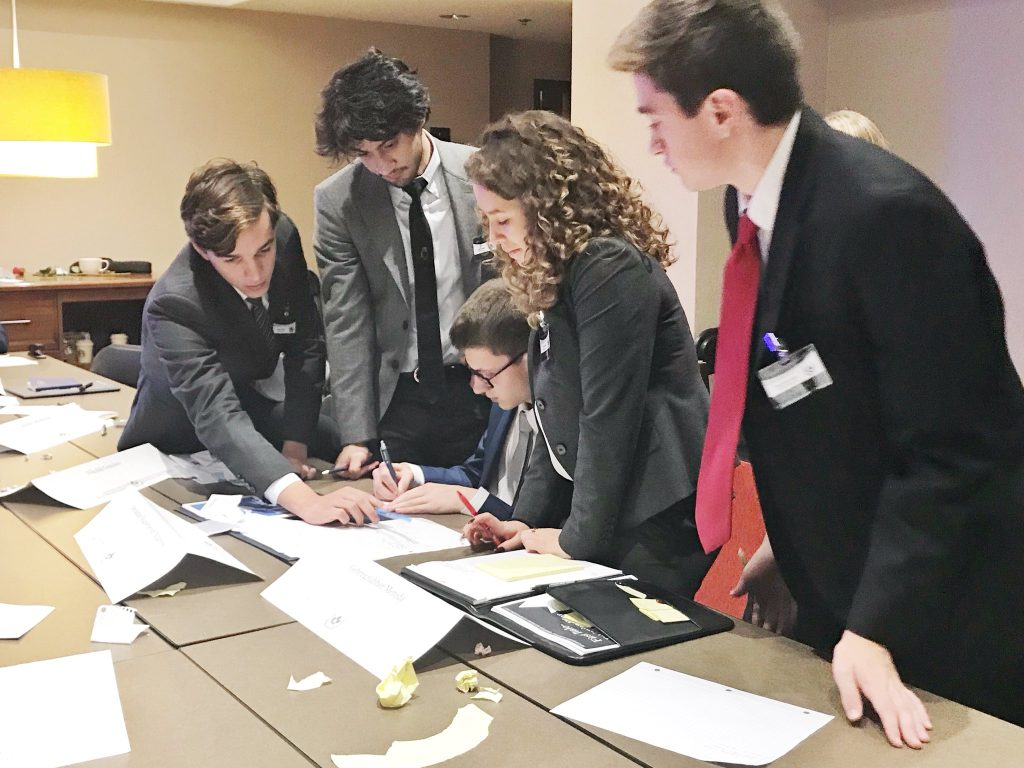
Conversely, in many Asian societies, solving puzzles often leans towards a more collaborative approach. Group activities, such as tackling a complex riddle or participating in a puzzle competition, highlight community bonds and cooperative problem-solving skills within the framework of cultural interdependence. This collective dynamic speaks volumes about the hierarchical and relational structures that define many Asian cultures.
Symbolism in Puzzles
Puzzles also encapsulate symbolism inherent in their cultural contexts. For instance, puzzles can feature themes and characters drawn from local history or folklore. In India, puzzles often reference epics like the Mahabharata or local legends, integrating rich narrative traditions that deepen the solving experience. In contrast, many puzzles in Western contexts may draw from fairy tales, reflecting the society’s imagination and moral lessons uniquely tailored to its cultural fabric.
As we explore these variations, it becomes clear that understanding the relationship between cultural identity and tradition enhances our appreciation for puzzles. By analyzing how different societies craft and engage with puzzles, we reveal broader societal values and shared human experiences. This comparative analysis invites readers to see puzzles not merely as games but as reflections of the cultures they emerge from, urging us all to delve deeper into the intriguing world where culture and cognition intersect.
DISCOVER MORE: Click here for insights on strategy games
Exploring Puzzle Mechanics and Cultural Contexts
The way puzzles are constructed and how they are perceived is greatly influenced by cultural contexts. Different societies exhibit unique characteristics in their puzzle mechanics, largely guided by local traditions, educational approaches, and recreational preferences. This section delves into how cultural nuances shape both the creation and resolution of puzzles globally.
Construction of Puzzles: Cultural Influences
The construction of puzzles often mirrors a society’s values and intellectual heritage. In Western cultures, puzzles such as crosswords and jigsaw puzzles most commonly rely on a blend of language and visual representation. Crosswords, for instance, often utilize puns and wordplay, resonating with a culture that values cleverness and wit. This puzzle format’s popularity in the United States can be attributed to the historic newspaper tradition, where puzzle sections have become a staple for engaging minds and fostering a love for language.
In stark contrast, Chinese puzzles such as the Tangram—a geometric puzzle consisting of seven flat pieces—demonstrate a focus on shape recognition and spatial reasoning. Traditionally, these puzzles are designed to enhance children’s understanding of geometry while also fostering creativity. The fluidity of Tangrams invites solvers to innovate and create various figures, showcasing the cultural embrace of both artistic expression and analytical thinking.
The cultural significance of puzzles extends beyond their construction; it often ties closely to educational systems. In countries like Finland, where education emphasizes critical thinking and collaborative learning, puzzles are used as pedagogical tools that promote problem-solving skills among students. This approach contrasts sharply with the more competitive puzzle-solving environment often found in U.S. academia, where individual achievement is highly valued and puzzles are sometimes viewed as mere tests of intelligence rather than as communal learning experiences.
Resolution Styles: A Societal Reflection
The methods by which people resolve puzzles also reveal varying cultural attitudes toward problem-solving. For example, in cultures that emphasize collectivism, such as those found in many parts of Asia, puzzle-solving is approached as a group endeavor. This collaborative spirit can be observed in the rising popularity of escape rooms, where participants need to work together to solve a series of interrelated puzzles within a set time frame. The emphasis here is not just on finding solutions but on enhancing team cohesion and interpersonal connections.
On the other hand, individualistic societies often encourage personal problem-solving styles. In the U.S., many people approach puzzles like Sudoku or jigsaw puzzles with a sense of challenge that emphasizes personal accomplishment. This preference for solitary engagement may also foster a sense of ownership over the completion of the puzzle, reflecting broader societal norms that celebrate individual success and personal initiative.
The Role of Technology in Puzzle Evolution
As technology evolves, so too do the avenues for puzzle creation and resolution, impacted heavily by cultural shifts. The rise of digital puzzles, such as online Sudoku and crossword apps, has revolutionized how puzzles are accessed and solved. This shift not only reflects changing consumer behavior but also highlights the globalization of puzzle culture; individuals can now engage across various cultural styles with the tap of a finger.
In summary, the intricate relationship between puzzle creation and cultural context invites us to appreciate puzzles as far more than mere cognitive exercises. They are, indeed, reflective mirrors of the societies they originate from, shaped by historical, educational, and technological influences. As we delve deeper into this comparative study, we will uncover more about the subtle yet profound ways that culture molds the puzzles we love to solve.
The exploration of how culture shapes the creation and resolution of puzzles presents a fascinating tapestry woven with diverse threads of tradition, context, and cognitive approaches. Throughout history, puzzles have served not only as entertainment but also as tools for cultural expression and social identity. In this section, we delve deeper into how various cultural settings mold the types of puzzles developed and the methods employed in their resolution.
One striking observation is that puzzles often reflect the societal norms and intellectual values of a culture. For instance, in Japanese culture, there exists a rich tradition of logic puzzles known as “sudoku.” This numerical puzzle exemplifies not only a leisurely pastime but also a reflection of the Japanese emphasis on precision and disciplined thinking. Similarly, in many Western cultures, crosswords represent a blend of language proficiency and cultural literacy, often requiring an array of general knowledge intertwined with local idioms.
Moreover, cultural background influences the way individuals approach problem-solving. Studies indicate that Eastern cultures, commonly characterized by a holistic perspective, often favor solutions that consider the interconnections within a puzzle. In contrast, Western individuals may lean towards analytical and reductionist strategies, focusing on isolated elements. This divergence in approaches showcases the powerful role that culture plays in shaping our cognitive processes, especially in activities like puzzle-solving.
Furthermore, puzzles serve as a reflection of cultural values and identity. For example, riddles in African cultures often contain moral lessons or historical anecdotes, serving both as entertainment and educational tools to pass down wisdom through generations. This contrasts sharply with the emphasis on individual achievement found in many Western puzzle formats, where the goal is often self-driven and competitive. Understanding these cultural dimensions deepens our appreciation for the art of puzzle-making as much as the science of solving them.
As we continue to explore the influence of culture on puzzles, it becomes evident that these seemingly simple constructs harbor layers of meaning that warrant further investigation. Each puzzle type embodies the values, philosophies, and cognitive styles of its cultural origins, offering insights not only into the puzzles themselves but also into the societies that create and engage with them.
DISCOVER MORE: Click here to learn about visual memory challenges
Cultural Symbolism and Puzzle Meaning
The symbolism embedded within puzzles often reveals the values and narratives that shape a culture. Puzzles, whether through their visual elements or the stories they tell, serve as a microcosm of the societal framework they originate from. This section examines how cultural symbolism and narrative play crucial roles in the meaning and complexity of puzzles, enhancing both their creation and resolution.
Symbolic Representations: Cultural Narratives Embedded in Puzzles
Puzzles often contain symbolic representations that resonate with cultural stories and myths. For instance, Native American culture heavily influences intricate beadwork puzzles, where each piece tells a story or represents significant historical events. This multifaceted approach incorporates the aesthetic, the narrative, and the communal aspect—it invites solvers to reflect on ancestral tales while engaging in a tactile activity. When individuals solve such puzzles, they are not only piecing together physical fragments but also re-connecting with cultural identities and traditional wisdom.
Conversely, the Rubik’s Cube, which gained international popularity in the late 20th century, reflects a modern narrative of globalization and innovation. Originating from Hungary, it has transcended borders, transforming into a universal symbol of problem-solving and mental agility. The cube’s vibrant colors and complex structure invite diverse interpretations across cultures, yet it emerges as a common ground for competition and camaraderie in events like the World Cube Association championships.
The Interplay of Tradition and Modernity in Puzzle Creation
In the world of puzzles, the confluence of tradition and modernity further underscores how cultural evolution shapes puzzle design. In Japan, traditional puzzles like *Kara-Washi* (interlocking wooden puzzles) accompany historical craftsmanship. They emphasize the fine art of creation, merging skill development with cultural heritage. However, contemporary Japanese puzzle designers may innovate by intertwining traditional motifs with modern digital interfaces, merging age-old traditions with today’s technological advances, leading to unique experiences like mobile puzzle games that blend narrative depth with cultural aesthetics.
In the United States, the movement towards more inclusive and diverse puzzles is reshaping how creators conceptualize puzzles. Now, puzzles are being designed to reflect the intricate mosaic of American cultures, often featuring artwork and historical references that encompass various racial and ethnic backgrounds. This trend not only expands the demographic appeal of puzzles but also promotes dialogue around representation and inclusivity within recreational pastimes.
Puzzle Variability and Cultural Dynamics
The variability of puzzle types reflects the dynamic nature of culture itself. In Mediterranean countries like Greece, puzzles often embrace a community-based design—family members across generations collaborate to solve intricate landscape images or famous historical scenes while enjoying each other’s company. This demonstrates how the social aspect of cultural identity influences puzzle engagement, making it an enriching experience for participants. In comparison, Scandinavian cultures may focus on minimalist designs that emphasize tranquility and mindfulness in solving, underlining values of simplicity and reflection.
The contrast in puzzle designs serves as a reflection of social values, educating solvers on cultural priorities and traditions. The significance of puzzles in various societies further demonstrates how layered meanings and cultural narratives connect people through shared problem-solving experiences.
This exploration into the symbolism and narrative structures within puzzles encourages a deeper appreciation for how cultural contexts not only inspire puzzle creation but also influence resolution practices. By examining these dynamics, we begin to see puzzles not merely as forms of entertainment but as extensions of cultural expression and identity.
DISCOVER MORE: Click here to learn about the link between visual puzzles and memory
Conclusion
The examination of cultural influences on puzzles reveals a rich tapestry of interactions between identity, tradition, and innovation. Puzzles serve not only as tools for entertainment but also as profound reflections of the cultures they represent. From the intricate beadwork puzzles that embody Native American narratives to the globally recognized Rubik’s Cube that symbolizes modern problem-solving, each puzzle type offers insights into the values and stories of its origin.
This comparative study demonstrates how cultural symbolism plays a pivotal role in both the creation and resolution of puzzles. The unique designs—whether rooted in community tradition or modern digital innovation—mirror the evolving nature of culture itself. In the United States, the surge in diverse and inclusive puzzles fosters a deeper engagement with varied ethnic identities, allowing participants to explore representation and inclusivity through a shared activity.
Furthermore, the interplay between tradition and modernity signifies a broader dialogue about the relevance of cultural heritage in contemporary society. As we continue to engage with puzzles, we not only challenge our cognitive abilities but also connect with the narratives that shape our collective human experience. The puzzle-solving process becomes an opportunity for reflection, cultural appreciation, and social interaction, thus enhancing our understanding of the world. In light of this exploration, it is clear that puzzles are far more than mere pastimes; they are dynamic cultural expressions that invite us to piece together our histories and shared identities.
Related posts:
Developing Cognitive Skills Through Puzzles: Benefits and Training Methods
Group Puzzles: Strengthening Teamwork and Communication
Puzzles and Neuroplasticity: How Mental Challenges Can Reprogram the Brain
Puzzle Solving Strategies: Techniques for Approaching Complex Puzzles
Puzzles and Intuition: The Role of Intuition in Solving Complex Challenges
The Psychology Behind Logic Games: How the Mind Processes Challenges

Linda Carter is a writer and puzzle expert specializing in mind games, brain teasers, and cognitive challenges. With extensive experience helping individuals enhance their problem-solving skills and think critically, Linda shares her knowledge on our platform. Her goal is to empower readers with practical advice, engaging puzzles, and strategies to sharpen their minds and achieve success in the captivating world of mind games and puzzles.