Brain Teasers and Their Relationship with Neuroplasticity: How Mental Challenges Transform the Brain
Engaging with Brain Teasers
Engaging in mental challenges offers a myriad of benefits that extend beyond mere amusement; it presents a unique opportunity to explore the incredible adaptability of our brains. Activities like brain teasers, puzzles, and riddles are not just captivating diversions; they serve as powerful tools that sharpen our cognitive function and enhance our mental agility.
What is it about these intriguing puzzles that makes them so beneficial? To understand this, we need to delve deeper into the fascinating connections between brain teasers and neuroplasticity. Neuroplasticity refers to the brain’s ability to reorganize itself, forming new neural pathways throughout life. It is this capacity for change that underpins our cognitive development.
Adaptability: The Brain’s Superpower
The first remarkable aspect of neuroplasticity is the brain’s adaptability. When we encounter new challenges, such as solving a complex Sudoku or deciphering a cryptic crossword clue, our brain engages in a process where it forges new neural connections. This ongoing mental exercise lays the groundwork for enhanced learning capabilities and adaptability in unexpected situations. For instance, research has shown that individuals who regularly engage in puzzles are often quicker at adapting to new concepts in both professional and personal contexts.
Growth: Stimulation of Cognitive Pathways
Next, the importance of growth cannot be overstated. Engaging with brain teasers has been linked to the stimulation of various cognitive pathways, leading to notable improvements in memory, attention, and problem-solving skills. For example, a study published in the journal *Frontiers in Human Neuroscience* found that older adults who regularly participated in cognitive training exercises, including brain teasers, exhibited better memory retention compared to their less-engaged counterparts. This suggests that mental workouts can significantly bolster cognitive health.
Age-Defying Benefits: A Lifeline to Cognitive Health
One of the most exciting implications of consistent mental challenges is their age-defying benefits. As we age, cognitive decline can become a pressing concern. However, studies have indicated that individuals who actively engage in brain teasers and similar activities have shown a slower rate of cognitive decline. In fact, regular participation in these stimulating exercises can promote better brain health for the elderly, helping to combat conditions like dementia and Alzheimer’s disease. The Alzheimer’s Association emphasizes mental engagement as a crucial factor for maintaining cognitive function as we age.
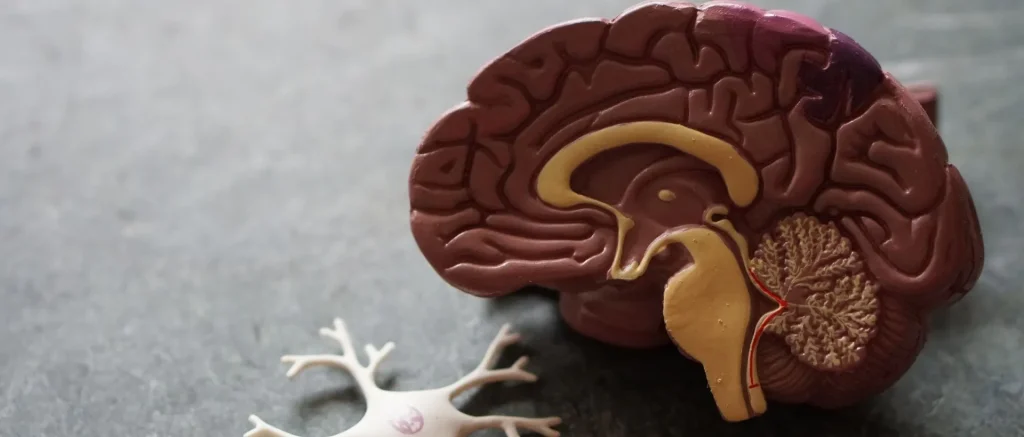
The relationship between brain teasers and neuroplasticity opens up a vast field for exploration. Scientific research continues to unveil the mechanisms by which our brains can change with regular mental exercise. By incorporating brain teasers into our daily routines—whether through mobile apps, books, or social gatherings—we may not only entertain ourselves but also embark on a journey to literally reshape our minds for the better.
DISCOVER MORE: Click here to learn how visual puzzles boost memory retention
The Transformative Power of Mental Challenges
As we navigate through our daily lives, it is easy to overlook the power of engaging the mind. Yet, incorporating brain teasers into your routine can fundamentally reshape how your brain functions. These intriguing puzzles not only provide entertainment but also serve as a vital exercise for the mind, fostering what scientists refer to as neuroplasticity. By challenging ourselves with problems requiring critical thinking, creative solutions, and quick mental calculations, we can stimulate the brain’s inherent ability to adapt and grow.
Types of Brain Teasers That Enhance Neuroplasticity
When it comes to brain teasers, the options are virtually limitless. Each type targets multiple cognitive functions and encourages neuroplastic changes. Here are some popular categories that can elevate your mental fitness:
- Logic Puzzles: These require problem-solving skills and deductive reasoning, which can enhance analytical thinking.
- Number Games: Activities like Sudoku challenge the brain’s numerical abilities, improving calculation speed and accuracy.
- Word Puzzles: Crossword puzzles and word searches contribute to vocabulary expansion and verbal memory, vital components of effective communication.
- Visual Puzzles: Tasks such as jigsaw puzzles boost spatial awareness and cognitive flexibility by requiring you to see the relationship between different pieces.
Each of these categories provides unique pathways for cognitive engagement, leading to the brain’s reshaping and strengthening through practice. When faced with these challenges, our brain goes beyond merely processing information; it begins to forge new connections and reinforce existing pathways.
Research Backing the Benefits
Recent studies highlight the compelling relationship between brain teasers and neuroplasticity. For instance, a significant study conducted by neuroscientists at the University of California showcased that participants who regularly engaged with mentally stimulating activities exhibited higher levels of brain connectivity and improved cognitive reserve. These findings suggest that those who challenge their minds with brain teasers enjoy enhanced resilience against neurological disorders.
Moreover, engaging in brain teasers can trigger the release of neurotrophic factors, proteins that play a crucial role in neuronal health and survival. This not only fosters the growth of new neurons but also aids in the repair and maintenance of existing ones. This biochemical response adds an additional layer of benefit, encouraging brain development at any age.
As we uncover the profound effects of engaging with various brain teasers, it becomes clear that these activities are instrumental in preserving and enhancing cognitive function. The transformation our brains can experience through consistent mental challenges is an invitation to explore the limitless potential our minds possess.
| Category | Description |
|---|---|
| Cognitive Flexibility | Engaging with brain teasers fosters cognitive flexibility, allowing individuals to adapt their thinking and approach problems from different angles. |
| Memory Enhancement | Regular practice of mental challenges can lead to significant improvements in memory retention, revealing a direct link between neuroplasticity and mental exercises. |
Brain teasers not only serve as a source of entertainment but also unleash the brain’s incredible capacity for growth and adaptation. Engaging in challenging puzzles stimulates neurons, fostering new connections and reinforcing existing ones, a phenomenon known as neuroplasticity. This transformation is particularly significant in younger individuals, whose brains are still developing, but even adults can benefit tremendously from these mental workouts.Moreover, studies have shown that consistent engagement with cognitive challenges like logic puzzles and riddles can improve problem-solving skills and critical thinking. For example, when an individual repeatedly confronts a tricky math problem, the brain learns to strategize better, leading to enhanced performance in real-life scenarios. This engagement not only contributes to a more adaptable brain but also cultivates a resilient mindset, capable of tackling complex challenges across various aspects of life.As you explore the varied realms of brain teasers and their impact on neural structure and function, consider how these games can be implemented into daily routines for better cognitive health. The pursuit of mental challenges is not just a pastime; it is an investment in a sharper mind and a more robust neural architecture over time.
DISCOVER MORE: Click here to learn about visual puzzles and memory retention
The Role of Consistency in Mental Exercises
While it is clear that brain teasers have the potential to enhance neuroplasticity, the frequency and consistency of these mental challenges are equally important. Engaging in brain exercises sporadically may yield some benefits, but establishing a routine can significantly amplify their impact. Just as physical exercise requires regular engagement to build strength, the brain thrives on consistent mental stimulation.
Creating a Brain Workout Routine
To reap the full benefits of neuroplasticity through brain teasers, individuals should consider incorporating a mix of various puzzles into their weekly schedule. Research suggests that just 15-30 minutes of daily mental challenges can lead to noticeable cognitive improvements over time. Users of popular brain training apps report enhanced focus, memory retention, and even emotional resilience as a result of their practice. Here are a few suggestions for building a diverse brain workout:
- Mental Math: Dedicate a few minutes each day to practicing quick calculations or solving math riddles, which can sharpen numerical reasoning.
- Daily Crossword or Jumble: Spend time tackling word puzzles, which can not only boost vocabulary but also improve critical thinking and memory.
- Logic Games: Engage with games like chess or sudoku, which require strategic thinking and spatial recognition.
- Group Endeavors: Organize puzzle-solving sessions with friends or family, which can enhance social skills while exercising the brain.
Incorporating these varied activities into daily life does not have to be time-consuming. Whether it is taking a few minutes in the morning or during a lunch break, the key lies in the commitment to a regular mental exercise schedule.
The Long-Term Effects of Engaging with Brain Teasers
Another fascinating aspect of neuroplasticity is the long-term transformation it facilitates within our cognitive processes. Engaging with brain teasers consistently can lead to marked advancements not only in problem-solving abilities but also in overall mental health. A study published in the journal Psychological Science found that older adults who participated in regular cognitive training demonstrated improved memory skills and processing speed, ultimately reducing the risk of dementia.
Furthermore, the act of confronting and solving brain teasers can lead to increased dopamine production, a neurotransmitter integral to mood regulation and motivation. The satisfaction derived from solving a challenging puzzle fosters a positive feedback loop, encouraging individuals to seek out and engage with even more brain teasers. This cyclical relationship between challenge, reward, and brain enhancement is an essential piece of the puzzle when considering the role of cognitive challenges in a person’s life.
As the understanding of neuroplasticity continues to expand, the potential for brain teasers to catalyze significant changes in cognitive function becomes ever more evident. Investing time in these mental challenges can lead to profound benefits that extend beyond mere entertainment, promising a more resilient and adaptable brain.
DISCOVER MORE: Click here to find out how puzzles enhance your brain power
Conclusion: Embracing Mental Challenges for a Resilient Mind
In conclusion, the relationship between brain teasers and neuroplasticity reveals the transformative power of mental challenges on our cognitive functions. The brain’s remarkable ability to adapt and reorganize makes it possible for individuals to enhance their mental acuity through consistent engagement with stimulating puzzles and games. The evidence presented throughout this exploration highlights that dedicating just 15-30 minutes a day can yield significant cognitive gains, from improved memory to enhanced problem-solving skills.
Moreover, the long-term effects of regular brain workouts extend beyond simple mental agility; they incorporate emotional well-being, fostering resilience against age-related decline and reducing the risk of neurodegenerative conditions. The intrinsic reward that comes from successfully conquering brain teasers cultivates a positive mindset, reinforcing the motivation to continue seeking and solving further challenges.
As society progresses further into an era where cognitive demands increase, integrating brain teasers into our daily routines presents a practical solution to maintaining a robust mental state. Whether through digital applications or traditional publications, the pursuit of mental challenges opens up a world of possibilities for cognitive enhancement. Therefore, embracing brain teasers not only enriches our lives with joy and satisfaction but also ensures a stronger, more adaptable brain capable of overcoming both current and future mental challenges.
Ultimately, the potential benefits of fostering neuroplasticity through brain teasers beckon readers to take up this enthralling challenge, paving the way for a more engaged, aware, and agile mind.
Related posts:
The Impact of Brain Teasers on Improving Working Memory
The Psychology Behind Brain Teasers: How They Stimulate the Brain
Brain Teasers as Tools for Cognitive Assessment in Educational Environments
The Benefits of Brain Teasers on Mental Health: Stimulating Creativity and Reducing Stress
Unraveling the Mysteries of Brain Teasers: Logical Structures and Creativity
Brain Teasers to Improve Attention and Concentration: Practical Challenges

Linda Carter is a writer and puzzle expert specializing in mind games, brain teasers, and cognitive challenges. With extensive experience helping individuals enhance their problem-solving skills and think critically, Linda shares her knowledge on our platform. Her goal is to empower readers with practical advice, engaging puzzles, and strategies to sharpen their minds and achieve success in the captivating world of mind games and puzzles.